
People who need a strictly sugar-free option
You want a sweet snack for a film night that genuinely meets the ‘sugar-free’ claim. A pack labelled only ‘less sugar’ does not give you enough information to know that.


No. According to Albert Heijn, De Ruijter Gestampte Muisjes contain 79 g of sugars per 100 g, so they are not a sugar-free option. If you need a strictly sugar-free snack for a film night, check the sugar content per 100 g. If you mainly want the aniseed flavour, you can choose Gestampte Muisjes, but they do contain sugar. A topping labelled ‘less sugar’ is not automatically sugar-free either.
You want a sweet snack for a film night that genuinely meets the ‘sugar-free’ claim. A pack labelled only ‘less sugar’ does not give you enough information to know that.
You’re mainly looking for the distinctive aniseed flavour and sprinkleable texture of Gestampte Muisjes. The question is whether you value that preference more than choosing a sugar-free option.
You’re comparing sweet toppings for a film night and are open to a flavour other than aniseed. You also want to know how much sugar the alternative still contains and whether it includes polyols.
First decide whether sugar-free is essential or whether you mainly want to keep the aniseed flavour. According to Diabetes Fonds, a solid food can be labelled ‘sugar-free’ if it contains no more than 0.5 g of sugars per 100 g; having a small portion of a product that contains sugar does not change its label.
| What to consider | What to check before buying | Who is this important to? |
|---|---|---|
| Genuinely sugar-free | Check the ‘of which sugars’ figure per 100 g in the nutritional information. Don’t rely on ‘less sugar’ or ‘no added sugars’ alone. | If sugar-free is essential for me, I don’t want to accidentally buy a topping that contains sugar. This is the top priority for around 42% of consumers. |
| Aniseed flavour and Muisjes | Check the ingredients and allergens for your chosen variety. For De Ruijter Gestampte Muisjes, check the sugar and wheat content too. | For film night, I specifically want the flavour and sprinkleable format of Gestampte Muisjes, even if they aren’t sugar-free. This preference matters most to around 33% of consumers. |
| Less sugar in a different topping | Compare sugars per 100 g and, for products with sweeteners, read the ingredients and warnings. | I’m happy with a different flavour if I can choose a lower-sugar topping, but I want to know what it contains. Around 25% of consumers give this consideration top priority. |
These terms answer different questions. Albert Heijn lists 15 g of sugars per 100 g for Céréal milk chocolate sprinkles with less sugar, and 43 g per 100 g for AH milk chocolate sprinkles with less sugar. Both figures are above the 0.5 g per 100 g limit that Diabetes Fonds gives for ‘sugar-free’.
If sugar-free is essential, use the nutritional information per 100 g to guide your decision rather than relying on the wording on the front of the pack.
A lower-sugar topping may contain polyols. Voedingscentrum warns that large amounts of polyols can cause digestive problems.
Read the ingredients and any warnings on the packaging, especially if you know you’re sensitive to polyols.
The listed ingredients for De Ruijter Gestampte Muisjes include wheat starch. If you have an allergy or another strict dietary requirement, check the packaging of the product you buy.
Before using it, check the current ingredients and allergen information on the pack.
These brands represent different types of topping: traditional aniseed Muisjes and lower-sugar chocolate sprinkles are not interchangeable products.
Gestampte Muisjes are sugared aniseed seeds for anyone specifically looking for that flavour and a sprinkleable topping.
The lower-sugar milk chocolate sprinkles are a different kind of topping, without the aniseed flavour of Muisjes.
AH milk chocolate sprinkles with less sugar are a chocolate topping to consider if you’re comparing alternatives to regular sweet sprinkles.
This konjac jelly is a different kind of sweet snack for a film night, not Gestampte Muisjes or an aniseed topping. If sugar-free is essential for you, check the nutritional information per 100 g on the packaging.
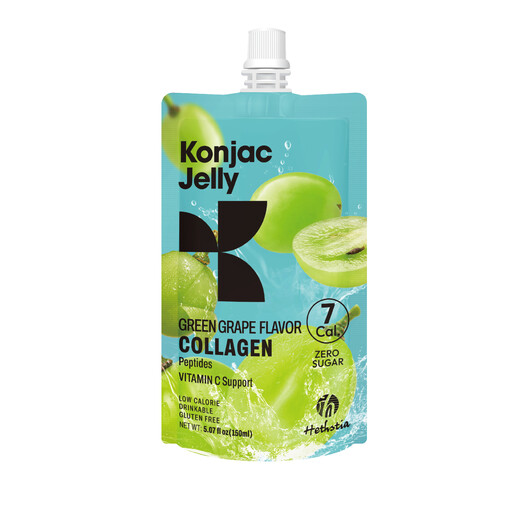 Image unavailable
If you’re looking for a sweet snack other than aniseed sprinkles for film night, this green grape-flavoured konjac jelly is one to consider.
Check the net weight on the packaging: the product title says 155 g, while the description lists 150 g.
No. Albert Heijn lists 79 g of sugars per 100 g for De Ruijter Gestampte Muisjes, which is above the maximum of 0.5 g per 100 g that Diabetes Fonds gives for ‘sugar-free’.
Not based on the words ‘less sugar’ alone. The Céréal and AH varieties listed by Albert Heijn contain 15 g and 43 g of sugars per 100 g respectively. Chocolate sprinkles also don’t provide the aniseed flavour of Gestampte Muisjes.
No. A product can contain naturally occurring sugars even if no sugars have been added. So check the total ‘of which sugars’ figure per 100 g separately.
At the very least, check the information about wheat and cereals containing gluten for De Ruijter Gestampte Muisjes; the ingredients listed by Albert Heijn include wheat starch. Always read the packaging of the product you buy before using it.
Read the ingredients and warnings on the packaging. Voedingscentrum says that large amounts of polyols can cause digestive problems, so there’s more to consider than just comparing sugar content.