
Vandaag of morgen in huis

Kwaliteit gegarandeerd

Welkomstaanbiedingen ontgrendelen: GRATIS bezorging | Tot 80% korting | Gratis 30 dagen JoyPlus-proefperiode
Download de app
A good facial cleansing routine doesn’t have to be complicated. Yet many people buy a product that isn’t suited to their skin, the time of day they use it or the make-up they wear. A foaming cleanser may feel pleasant, for example, but tightness after washing isn’t a practical benefit. Nor does the word “natural” on the packaging automatically tell you how gentle the formula will be on your skin.
The Joybuy Product Recommendation Officer helps you separate key product information from marketing language. This makes it easier to compare a cleansing oil, make-up remover, micellar water or facial cleanser based on the features that really matter in everyday use.
A tight or dry feeling after washing is sometimes seen as proof that all dirt and sebum have been removed. In reality, it may also mean that your skin doesn’t respond well to the formula, or that you’re cleansing for too long or too vigorously. So pay attention to the directions, ingredients and suitability for your skin type.
Waterproof mascara, foundation and sun-care filters often dissolve more effectively in an oil-based or bi-phase formula. With a regular facial cleanser, you may need to rub harder, especially around the eyes. A cleansing oil, cleansing oil or micellar water with a suitable formula may be more practical.
According to the product descriptions of various brands, certain products can remove waterproof make-up and SPF. Treat this as a product claim and always check the label and usage instructions.
A scrub removes superficial dead skin cells using the particles it contains and may be suitable as an additional step. It isn’t a replacement for gentle daily facial cleansing. Use a scrub according to the advice on the packaging and stop if you experience irritation, redness or a burning sensation.
For waterproof make-up, double cleansing may be practical: start with oil or micellar water, followed by a water-based cleanser. Not every skin type needs two steps every day.
Check whether the product contains fragrance, essential oils or known preservatives if your skin is sensitive to these ingredients. “Natural” does not automatically mean allergen-free. A product containing plant-based ingredients may still contain fragrances.
Also look out for warnings such as for external use only, avoid contact with the eyes and stop use if irritation occurs. For a cleanser designed for blemish-prone skin, non-comedogenic claims come from the brand; don’t treat them as a guarantee for every user.
Don’t compare only the price of a bottle. Also consider the quantity and recommended amount per use. A pump bottle can make dispensing easier, while a larger bottle is convenient for everyday use. Check the expiry date or the period after opening on the packaging. Store the product according to the label and keep the packaging closed.
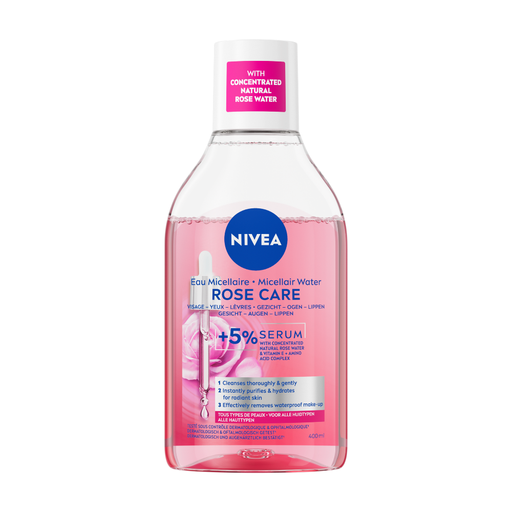
Why it suits this profile: The generous 400 ml size is practical for everyday use, and the product is designed for the face and eyes.
According to the product description, the micellar formula also removes waterproof make-up and SPF without leaving a greasy residue. Check the ingredients if you’re sensitive to fragrance.
400 ml; suitable for the face and eyes; vegan according to NIVEA, with 97% recycled PET in the bottle.
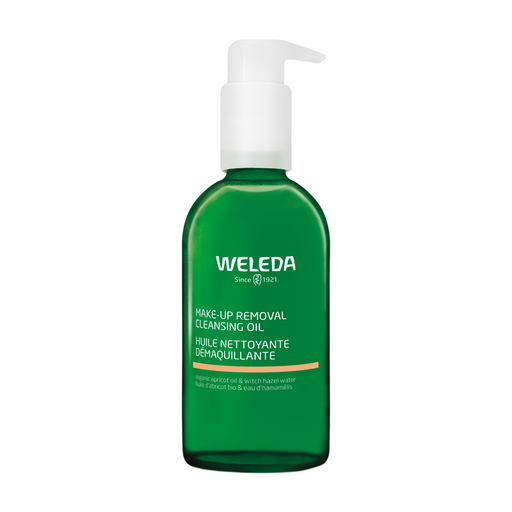
Why it suits this profile: A fragrance-free oil with organic apricot kernel oil and witch hazel is a good choice for anyone who values the ingredients and a simple first cleansing step.
The product description states that it is fragrance-free and removes waterproof make-up. This means you’re less likely to need to rub hard around the eyes.
150 ml; fragrance-free formula according to the product information; NATRUE certified according to Weleda.
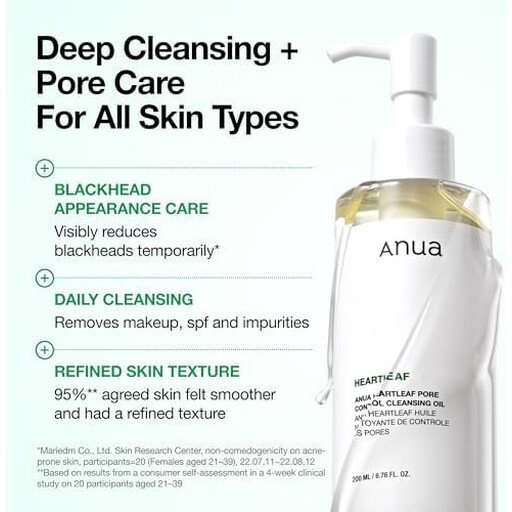
Why it suits this profile: The pump bottle and recommended dose of 2 to 3 pumps suit a regular evening routine with double cleansing.
The directions explain how to apply it to dry skin, emulsify it with water and then use a water-based cleanser. This reduces the need to rub make-up off vigorously.
200 ml; emulsification instructions; according to the product description, designed for make-up, sebum and sun cream.
We’ve put together a complete, up-to-date list of products that fully meet these strict selection criteria and the applicable European safety regulations.
If you have sensitive skin, it’s sensible to test the product on a small area first. Stop using it if irritation occurs and consult a doctor or pharmacist if symptoms persist. Product information and ingredients may change, so always check the current packaging.
That depends on your skin, make-up and sun cream. Micellar water may be suitable for a quick cleanse, but with waterproof make-up or several layers of SPF, a cleansing oil or second cleanser may be more practical. Follow the instructions on the product.
Many people cleanse their face thoroughly once a day, for example in the evening. In the morning, lukewarm water or a mild facial cleanser may be enough. Dry or sensitive skin may react differently from normal or oilier skin.
Check the expiry date and the open-jar symbol showing the period after opening on the packaging. Close the bottle properly, keep it out of direct sunlight and watch for changes in smell, colour or texture. Stop using the product if it causes irritation or has clearly changed.
