
Livraison le jour même et le lendemain

Qualité garantie

Débloquez vos offres de bienvenue: Livraison GRATUITE | Jusqu'à -80 % | 30 jours d'essai gratuits à JoyPlus
Téléchargez l'application
A facial cleanser should remove dirt, sebum, sunscreen and make-up residue without leaving your skin feeling tight. Yet with so many options, picking the right facial cleanser can be tricky. Brands use terms like “hydrating”, “deep cleansing” and “suitable for sensitive skin”, but the formula and experience can vary enormously.
The three most common pitfalls:
A cleansing foam is ready to use and handy for a quick morning or evening routine. A cleansing gel usually lathers only after adding water and can be pleasant for normal or combination skin. A cleansing milk is often massaged onto a dry face and is ideal for dry or dehydrated skin.
If you search for face wash or facial cleanser, you’ll often come across these forms mixed together. So check not only the product name but also the instructions for use:
Ingredients are usually listed according to the INCI naming system on the packaging. For a gentle facial cleanser, pay particular attention to:
A brand claim about hydrating, soothing or supporting the skin barrier should be read as a statement from the manufacturer. Always check the packaging and stop if you experience redness, itching, a burning sensation or any other discomfort.
A 200 ml bottle might seem good value, but how much you use depends on the amount per wash. A pump bottle can make dosing easier than a tube. Also check:
A facial cleanser is not a treatment for a skin condition. If irritation persists, it’s wise to consult a doctor or dermatologist.
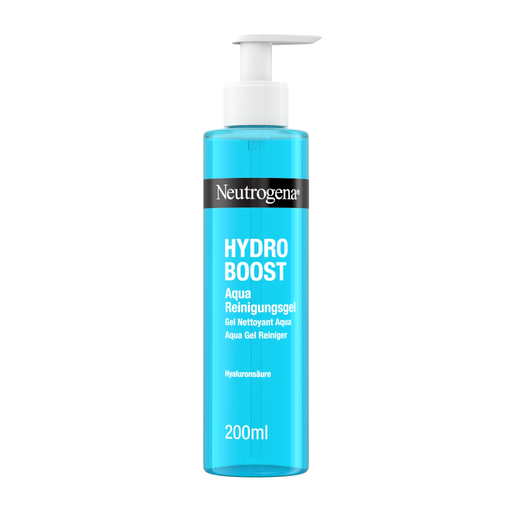
Why this fits the profile: The gel texture, 200 ml volume and simple instructions make this an accessible choice for daily cleansing.
The product description mentions removing make-up, dirt and sebum without stripping the skin’s natural moisture. Check the current packaging for the full ingredients list.
200 ml; gel that lathers with water; lists hyaluronic acid and glycerine in the product description.
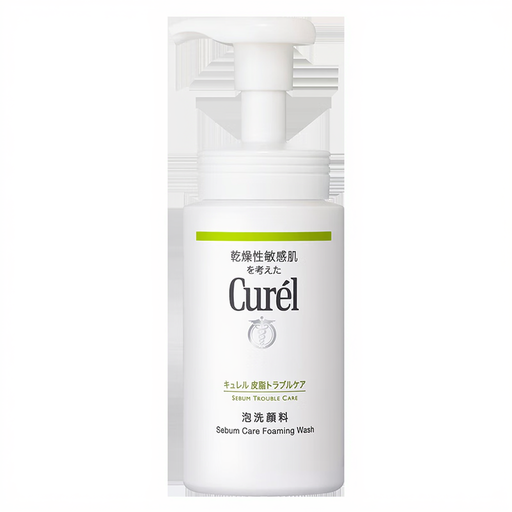
Why this fits the profile: Ideal for those who, when choosing a facial cleanser for sensitive skin, prioritise a fragrance-free formula and daily usability.
The product information lists no fragrance and mentions a pH-balanced formula. That makes the choice more transparent than relying solely on the term “gentle”.
150 ml; foam texture; ceramides mentioned in the product description; stated to be hypoallergenic and dermatologically tested.
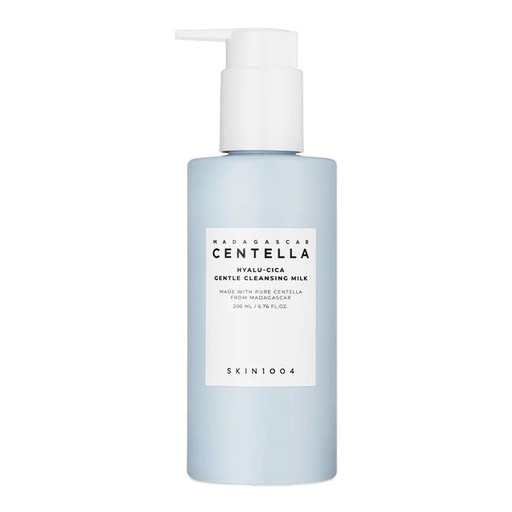
Why this fits the profile: A practical option for those who regularly wear make-up or want a first step in double cleansing, especially for dry or dehydrated skin.
The instructions explicitly state to apply to dry hands and a dry face. For heavy make-up, a second cleanser is recommended.
200 ml; milk texture; lists panthenol, centella asiatica, ceramide NP and hyaluronic acid in the ingredients list.
We’ve put together a full, up-to-date list of products that fully meet these strict selection criteria and comply with current European safety regulations.
Use lukewarm water and massage with clean fingertips. Harsh rubbing or hot water can unnecessarily make your skin feel uncomfortable. For a foam or gel:
A cleansing milk is usually used on a dry face, according to the product instructions. For stubborn make-up, a make-up remover or double cleansing may be necessary. Cleansing twice isn’t automatically required; adapt it to your make-up, sunscreen and skin feel.
For most routines, once in the evening is enough to remove daily residue. In the morning, you can use water or a gentle face wash, depending on your skin type and preference. With dry skin, cleansing too often can leave a tight feeling.
Look for a gentle facial cleanser with short, clear instructions and pay attention to fragrance, essential oils and known allergens. A hydrating facial cleanser with, for example, glycerine, ceramides or hyaluronic acid can be a good choice, but the final skin feel varies from person to person. If you have sensitive skin, first test it carefully on a small area.
That depends on the formula and the type of make-up. A product that claims to remove make-up can be suitable for light daily make-up. Waterproof mascara or several layers of foundation may require a separate make-up remover or a second cleansing step. Always check the product instructions and avoid contact with the eyes.
