
Vandaag of morgen in huis

Kwaliteit gegarandeerd

Welkomstaanbiedingen ontgrendelen: GRATIS bezorging | Tot 80% korting | Gratis 30 dagen JoyPlus-proefperiode
Download de app
A facial cleanser might seem like a simple product, but the differences between gels, foaming formulas and lotion cleansers are significant. The wrong choice can leave your skin feeling tight, overly shiny or irritated. Marketing terms such as “deep cleansing”, “repair” and “pore cleansing” don’t always tell you how a formula will behave on a daily basis.
With this practical guide, you can focus on cleansing agents, pH level, fragrance and skin type. That way, you can compare facial cleansers based on verifiable product information rather than just the promises on the packaging.
A heavily degreasing or very foaming facial cleanser can leave a “squeaky clean” sensation after rinsing. That feeling doesn’t automatically mean the cleansing is better. For dry or sensitive skin, an overly intensive formula can actually feel uncomfortable.
Instead, look at the cleansing ingredients and use lukewarm water. Ingredients such as glycerine, betaine, panthenol and ceramides are often added to make the skin feel more comfortable after washing.
A low pH cleanser typically has a pH closer to the skin’s natural acidity. That can be a relevant option for daily use, but a low pH doesn’t automatically make a product suitable for everyone. Fragrance, essential oils, exfoliating acids and the surfactants used also play a role.
When choosing a facial cleanser for sensitive skin, always check the full ingredient list and test a new product on a small area of skin first.
A product label sometimes says “all skin types”, yet the texture or scent may not feel pleasant on your skin. A foaming facial cleanser can work well for someone who needs to remove excess sebum, but it may be less comfortable for dry skin. A creamy or milky formula can feel gentler, but might not be ideal if you prefer a fresh, light sensation.
A hydrating facial cleanser often contains humectants such as glycerine, hyaluronic acid or betaine. These ingredients help attract moisture, but a cleanser is rinsed off. So don’t expect long-lasting care like you would from a cream.
A pH of around 5.0 to 6.0 is often described as mildly acidic in many Korean formulas. The Low-pH Good Morning Cleanser and the SOME BY MI Snail TrueCICA Miracle Repair Low pH Gel Cleanser, for example, both state a low pH; the product information mentions a pH of around 5.5 for both formulas.
Also look for gentle cleansing agents, such as amino acid or coconut-based surfactants. A product with a low pH can still be uncomfortable if it contains fragrance or other ingredients that your skin doesn’t react well to.
For a cleanser aimed at acne-prone skin, many shoppers look for tea tree, salicylic acid, BHA or plant extracts. According to the product descriptions of some brands, such ingredients can help remove sebum or impurities, but this should not be presented as a guaranteed result. For sensitive skin, acids and essential oils may require extra caution.
Also check any warnings on the label. Stop using the product if irritation occurs, avoid contact with the eyes and follow the indicated shelf life after opening.
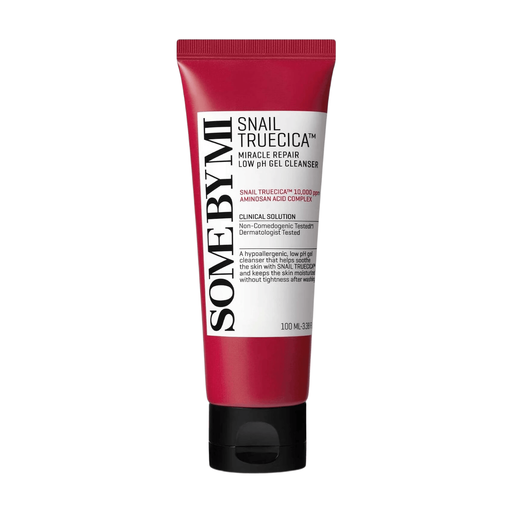
Why it fits this profile: The gel texture and 100 ml size are practical for a simple daily routine. The product information states a low pH of 5.5, along with glycerine, panthenol, ceramides and an amino acid complex.
The pH value and ingredient list are clearly stated, so you don’t have to rely solely on the term “gentle”. However, be aware of bergamot and sage oil if you prefer to avoid fragrances.
Low pH of 5.5; 100 ml size; glycerine, panthenol and ceramides according to the product description.
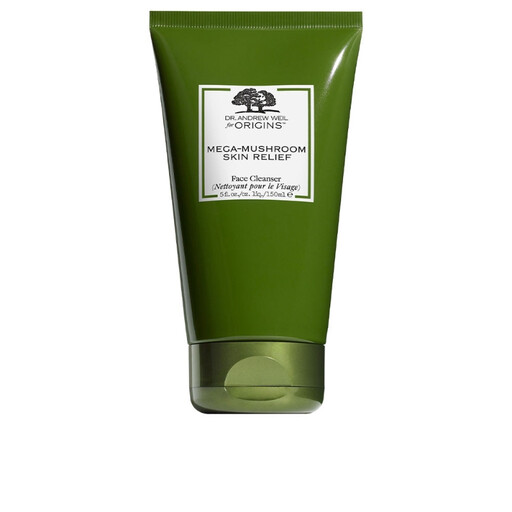
Why it fits this profile: This milky lotion is designed for those who prefer a softer texture over a strongly foaming cleanser. The product information states a 150 ml size and that it is suitable for dry, normal and sensitive skin.
The lotion texture prevents you from choosing solely on the basis of lots of foam or a tight feeling after rinsing. The ingredient list does contain several fragrances and essential oils; check these carefully beforehand.
Milky lotion texture; 150 ml size; product information states use for dry, normal and sensitive skin.
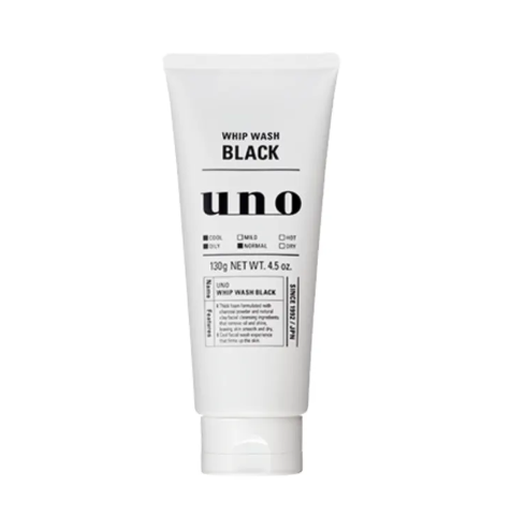
Why it fits this profile: The dense foam texture and charcoal powder are designed to remove excess sebum and oil. This is particularly suited to users who want a powerful, refreshing cleanse and do not have dry skin.
The product description explicitly mentions sebum and oil removal. This makes the target audience clearer than a general claim for all skin types. If you experience dryness or irritation, a gentler formula would be wiser.
130 g size; dense foam texture; charcoal powder and clay-related cleansing ingredients according to the product description.
We’ve put together a full, up-to-date list of products that fully meet these strict selection criteria and comply with current European safety regulations.
For many people, once a day is sufficient, usually in the evening. In the morning, just lukewarm water may be enough if your skin feels dry or sensitive. If you produce a lot of sebum or exercise, you may want to cleanse more often, but watch out for any tightness.
That depends on the formula and the usage instructions. Some cleansing gels and foam gels are described as suitable for removing make-up, while waterproof make-up may require a separate remover. Don’t rub too hard around the eyes and rinse thoroughly afterwards.
Check the packaging for the expiry date and the symbol for use after opening, such as 6M or 12M. Keep the packaging closed, cool and dry, and avoid getting water inside the bottle. Stop using it if the scent, colour or texture changes.
