
Same-day & Next-day Delivery

Quality Guaranteed

Unlock Your Welcome Offers: FREE Delivery | Up to 80% OFF | Free 30-day JoyPlus trial
Download the APP
A facial cleanser might seem like a simple product, but the differences between a gel cleanser, face wash and foaming facial cleanser are noticeable in daily use. A formula that cleanses too harshly can leave your skin feeling tight. A version that is too gentle may not remove enough sebum, sunscreen or make-up residue.
The right choice therefore depends on more than just the brand or packaging. Pay particular attention to your skin type, the ingredients, the pH level and the way you use the cleanser.
Words like “deep cleansing”, “barrier-repairing” or “anti-blemish” sound clear, but they don’t always tell you how a product will actually feel in practice. Instead, check:
Claims about effectiveness come from the brand or seller. According to a brand’s own research, certain ingredients may help with a particular skin concern, but that is no guarantee for every user.
Foam does not necessarily mean a cleanser will dry out your skin. The overall formula, the cleansing agents and the length of time you use it all play a part. Conversely, a cream or gel texture is not automatically gentle. If you massage for a long time or use very hot water, your skin can still feel uncomfortable.
A larger pack is not always better value. Also consider:
A facial cleanser for sensitive skin usually benefits from a short ingredients list and a formula without fragrance or essential oils. Also look out for warnings and, if you have sensitive skin, consider doing a patch test first.
For oily or combination skin, a gel cleanser or facial cleanser for oily skin can feel pleasant. Ingredients such as salicylic acid or tea tree appear in some formulas. Don’t automatically use them more often or for longer than stated on the label. Clean skin should not feel tight or stinging for a prolonged period.
For dry skin, a gentle facial cleanser or hydrating facial cleanser with glycerine, betaine, panthenol or hyaluronic acid often works well. These ingredients are listed in various product formulas as moisturising or conditioning components. Their presence does not mean a cleanser replaces a moisturiser.
A low pH facial cleanser has an acidity level closer to the skin’s natural pH. Products with a pH of around 5 to 6 are often described as mildly acidic. However, the pH alone does not determine whether a product is suitable: fragrance, essential oils, acids and the cleansing agents also matter.
For Dr. Althea Green Relief Amino Gel Cleanser, the product information states a mildly acidic pH of 5.0 to 6.0. Low pH Good Morning Gel Cleanser and the 150 ml version are also offered as low-pH products.
Read the ingredients list, especially for known points of concern. Salicylic acid, tea tree oil, citrus oils and fragrance may be less suitable for some users. The product information for Salicylic Acid Daily Gentle Cleanser states 0.5% salicylic acid and warns of possible reactions. This makes the product an option for anyone considering a cleanser for blemishes, but it is not a medical treatment.
Use a cleanser on a damp face, massage briefly and rinse with lukewarm water. Always follow the label. Stop if irritation occurs and consult a doctor or dermatologist for persistent skin problems.

Why this fits the profile: A gel texture and 100 ml of product make this a straightforward choice for anyone wanting to try Korean skincare without immediately building an extensive routine. According to the product information, the formula is intended for all skin types.
The product information mentions glycerine, plum water and mung bean extract. Do check the full ingredients list yourself and stop if irritation occurs.
Gel texture, 100 ml, glycerine in the ingredients list and, according to the product information, free from fragrance and essential oils.
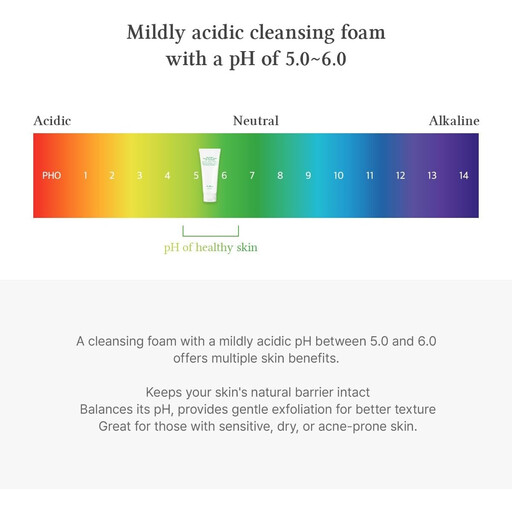
Why this fits the profile: This Korean facial cleanser is interesting for users who pay attention to pH, amino-acid-based cleansing agents and a gel texture with foam.
The stated pH of 5.0–6.0 and the listed cleansing agents give you more control than just the claim “mild”. The formula does contain fragrance components and essential oils; check this if you have sensitive skin.
pH 5.0–6.0, glycerine, betaine and hydrolysed hyaluronic acid according to the ingredients list.

Why this fits the profile: If you are looking for a cleanser for oilier, combination or blemish-prone skin, you can compare the stated 0.5% salicylic acid with a standard face wash without acid.
The concentration of salicylic acid is stated, so you don’t have to rely solely on the term “anti-acne”. The product information also mentions possible allergens and advises a patch test.
150 ml of product, 0.5% salicylic acid according to the product information and usage instructions with lukewarm water.
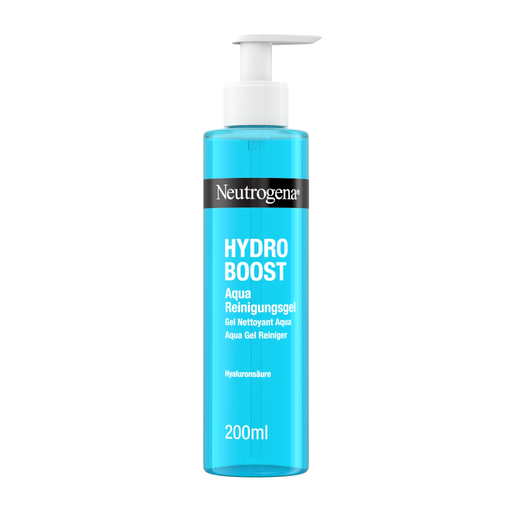
Why this fits the profile: A larger 200 ml pack suits anyone who wants to use the same facial cleanser every morning and evening. The product description mentions glycerine and hyaluronic acid.
The content and ingredients are clearly stated. If you react sensitively to fragrance or certain preservatives, it is a good idea to check the full ingredients list.
200 ml of product, gel texture, glycerine and hyaluronic acid according to the product description.
We have put together a full, up-to-date list of products that fully meet these strict selection criteria and comply with current European safety regulations.
If you are wearing waterproof make-up or sunscreen, you may want to use a separate remover first. Double cleansing is not necessary for everyone; look at what is actually on your skin and how your skin reacts.
Many products are intended for daily use according to their product information, often in the morning and evening. If you have sensitive skin, you could start with once a day. A stinging, red or persistently tight feeling is a reason to stop and re-check the ingredients.
Check the expiry date, the batch number and the symbol for shelf life after opening on the packaging. Dr. Althea, for example, states a shelf life of 12 months after opening. Store the tube or bottle in a cool, dry place away from direct sunlight, unless the label gives different instructions.
A gel cleanser or foaming facial cleanser with a light texture can be practical. Look out for ingredients such as salicylic acid and tea tree, but use them according to the instructions. Oily skin does not automatically need a harsh cleanser; a formula that leaves your skin uncomfortably tight may not be the best fit.
