
Livraison le jour même et le lendemain

Qualité garantie

Débloquez vos offres de bienvenue: Livraison GRATUITE | Jusqu'à -80 % | 30 jours d'essai gratuits à JoyPlus
Téléchargez l'application
A facial cleanser might seem like a straightforward skincare product, but the differences between a face cleanser, cleansing foam, cleansing oil and cleansing balm are significant. Choosing the wrong one can leave your skin feeling tight, greasy, or with make-up not fully removed.
So don't just focus on terms like "deep cleansing", "glow" or "detox". Instead, pay close attention to the texture, the usage instructions, the ingredients list, and whether it suits your skin type. That way, you can avoid a promising Korean facial cleanser ending up unused in your bathroom cabinet.
A product that lathers heavily or leaves a very clean feeling may remove sebum and dirt, but it can also feel uncomfortable for dry or sensitive skin. A cleansing foam isn't automatically too harsh, but how your skin feels after rinsing is more important than the amount of foam.
Does your skin feel tight, dry or stinging? Then the formula probably isn't ideal for daily use. If you have sensitive skin, opt for a mild facial cleanser and wash with lukewarm water.
Terms like "against impurities", "pore-cleansing" and "acne facial cleanser" often describe a brand's positioning. They are not a guarantee of a specific result. According to the product description from KOSÉ, the Softymo Medicated Bacteria Cleansing Foam is intended to help prevent and treat acne. That is a claim from the brand, not a proven medical effect.
Also pay attention to contact time: a cleanser is usually applied briefly and then rinsed off. For persistent skin problems or irritation, it's wiser to seek advice from a GP or dermatologist rather than trying an increasingly stronger product.
A foaming cleanser removes daily dirt and excess oil, but it isn't always sufficient for waterproof mascara, foundation or sunscreen. A cleansing oil or cleansing balm can be more practical for this. These products are usually massaged onto dry skin and then emulsified with water.
Do check whether a second cleanse is needed. The product description of some cleansing oils advises using a water-based cleanser after rinsing, if necessary.
Choose based on what you want to remove:
A product like SKIN1004 Madagascar Centella Hyalu-Cica Gentle Cleansing Milk contains, among others, glycerine, panthenol, allantoin, ceramide NP and hydrolysed hyaluronic acid according to the stated ingredients list. The product description mentions use on dry skin and a second cleanser for heavy make-up.
Ingredients provide clues, but they don't predict the same result for everyone. Look out for:
Always check the full packaging. Formulas, packaging and usage advice can change.
A pH value can provide useful context, but it isn't an independent mark of quality. SKIN1004 states a pH of 5 for the Madagascar Centella Ampoule Foam. The packaging also mentions 20 ml or 125 ml, depending on the variant. A small size is handy for travel or to try out first; a larger tube can be more practical for daily use.
Don't calculate costs based solely on the price per package. Also consider the amount needed per wash and whether you need a second product for removing make-up.
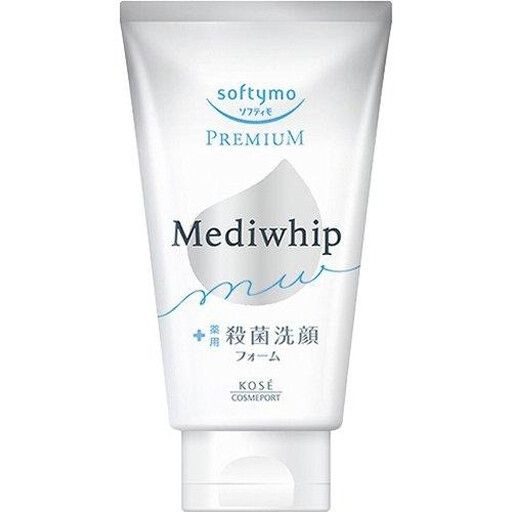
Why this fits the profile: A compact cleansing foam with a stated content of 130 g for anyone looking for a simple daily cleanser, especially for skin that tends to feel oily.
The product description mentions daily use and a rich foam texture. Use a small amount and rinse thoroughly to avoid over-cleansing.
130 g content; foaming formula; according to the brand, targets excess oil and impurities.
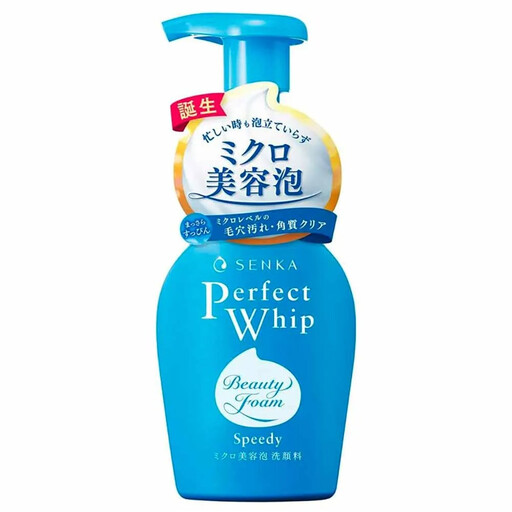
Why this fits the profile: Suits users who prefer a creamy, rich foam and a 150 ml packaging for a consistent morning and evening routine.
The ingredients list is available to check in advance. That's useful if you want to avoid fragrance, alcohol or sodium metabisulfite.
150 ml content; glycerine, sorbitol and multiple forms of hyaluronic acid in the stated formula; gentle foam texture according to the product description.
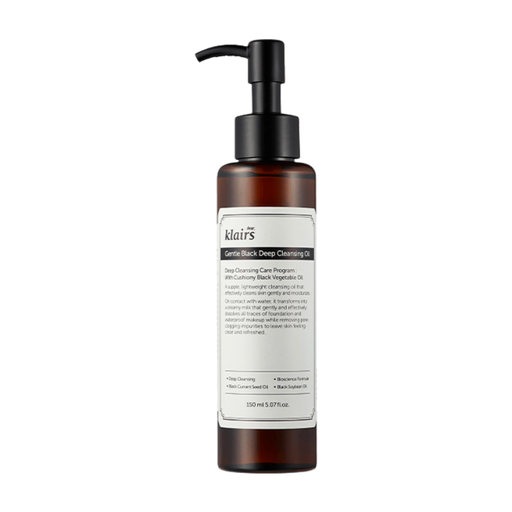
Why this fits the profile: A logical first step for anyone who uses make-up, sunscreen or waterproof products daily and wants to try a cleansing oil.
The oil is used on a dry face according to the instructions. For heavy make-up, you can follow up with a water-based cleanser.
150 ml; jojoba and plant-based oils in the stated formula; designed to dissolve make-up and impurities.
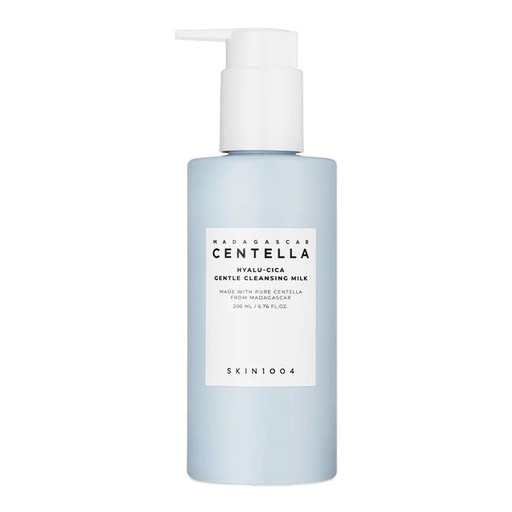
Why this fits the profile: The milky texture and 200 ml content suit a calm daily routine for dry, normal or sensitive skin.
The usage instructions mention massaging onto a dry face and rinsing with lukewarm water. That helps avoid harsh rubbing and hot water.
200 ml; glycerine, panthenol, ceramide NP and beta-glucan listed in the ingredients; suitable for a double cleanse.
We've put together a full, up-to-date list of products that fully meet these strict selection criteria and comply with current European safety regulations.
For make-up or sunscreen, a double cleanse can be practical: first an oil or balm, then a gentle water-based cleanser. A morning cleanse doesn't always need to be as thorough as your evening routine.
For many people, once in the evening and possibly a gentle cleanse in the morning is sufficient. For dry or sensitive skin, washing too often can feel uncomfortable. Adjust the frequency based on your skin's reaction and the instructions on the packaging.
It can be. A cleansing oil is designed to dissolve make-up, sunscreen and oily residues. Rinse carefully and use a second cleanser if needed. Don't choose solely based on the skin label; also check the ingredients and how your skin responds.
Check the expiry date, batch number and any period-after-opening symbol on the packaging. Store the product according to the instructions, usually tightly closed and out of direct sunlight. Stop using it if you experience redness, itching, swelling or irritation, and seek advice from a doctor or dermatologist if necessary.
