
Vandaag of morgen in huis

Kwaliteit gegarandeerd

Welkomstaanbiedingen ontgrendelen: GRATIS bezorging | Tot 80% korting | Gratis 30 dagen JoyPlus-proefperiode
Download de app
A facial cleanser might seem like a simple product, but the differences between formulas are significant. A gel cleanser can lather up nicely and remove excess sebum, while a creamy cleanser may feel more comfortable on dry or sensitive skin. The right choice, therefore, depends on more than just a well-known brand name or an appealing claim on the packaging.
Pay particular attention to three common pitfalls:
Normal or combination skin can often handle a light facial cleansing gel. If you are prone to shine or clogged pores, look for a formula that removes excess sebum without a harsh, abrasive feel.
For dry or sensitive skin, a gentle facial cleanser, a lotion-like texture or a hydrating facial cleanser is often more logical. Look for glycerine, panthenol, betaine or similar moisture-binding ingredients. These substances do not automatically make a formula suitable for everyone, but they can contribute to a more comfortable skin feel during cleansing.
A low pH facial cleanser typically has a pH closer to the skin's natural acidity. Products such as the Low pH Good Morning Gel Cleanser and SOME BY MI Snail TrueCICA Miracle Repair Low pH Gel Cleanser state a low pH of around 5–6 and 5.5 respectively in their product information.
Also look at the cleansing agents used. Amino acid and coconut-based surfactants are often chosen for a gentler cleansing feel. However, a low pH alone does not tell you everything about the experience. Fragrance, essential oils and exfoliating ingredients may be less suitable for some users.
Compare the volume: a 50 ml pack is handy for trying out or travelling, whereas 100 to 150 ml is better suited for daily use at home. Use lukewarm water, massage without applying too much pressure, and rinse the cleanser off thoroughly.
A patch test is wise when trying a new formula, especially if you have sensitive skin. Stop if irritation occurs and avoid contact with the eyes. Products containing acids or certain plant extracts may require extra attention. The SOME BY MI Bye Bye Blackhead formula, for example, includes AHA/BHA-related warnings and advises sun protection according to the product information.
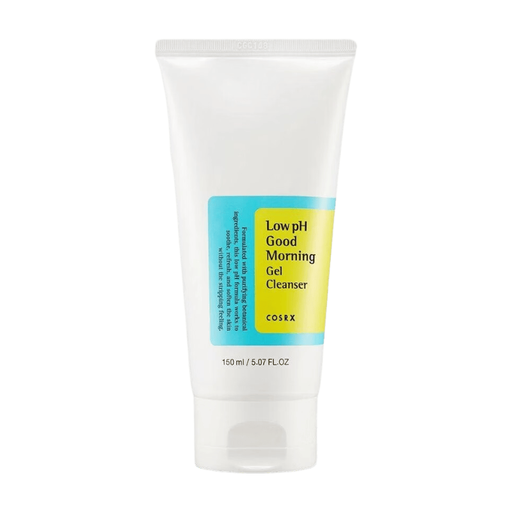
Why this fits the profile: The 150 ml pack is practical for daily use and the gel texture is easy to incorporate into a morning or evening routine.
The product information mentions a low-pH formula that removes impurities and excess sebum without aiming for a dry skin feeling. Tea tree oil is listed in the ingredients; therefore, check your own tolerance.
150 ml volume, gel texture, low pH and glycerine in the formula. According to the product description, it is suitable for daily use.
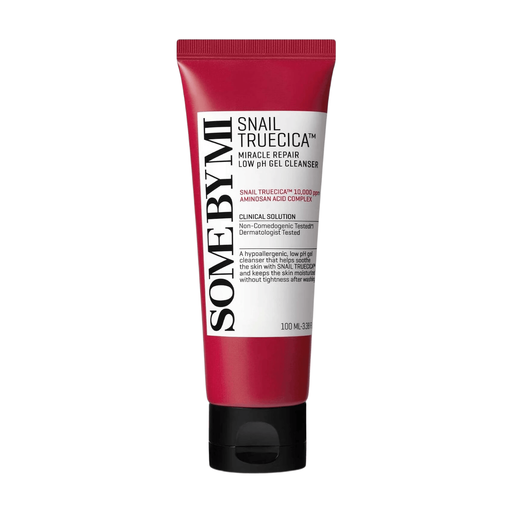
Why this fits the profile: This Korean facial cleanser combines a low-pH gel texture with multiple ingredients that suit a comprehensive skincare routine.
The pH value of 5.5 and the gel texture align with the desire for gentle daily cleansing. However, bergamot and sage oil are listed in the INCI; sensitive users would do well to test beforehand.
100 ml volume, ceramide, panthenol, glycerine and an amino acid complex according to the product information. The product is listed as paraben-free.
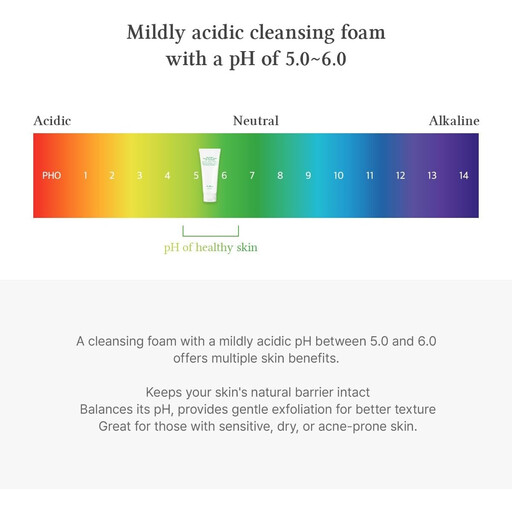
Why this fits the profile: The acidic pH range of 5.0–6.0, amino acid and coconut-based cleansers suit users who are specifically looking for formula information.
The product description mentions fine bubbles and a formula designed to minimise friction. Bergamot oil and fragrance allergens such as limonene and linalool are listed, so a patch test remains relevant.
100 ml volume, glycerine, betaine, hyaluronic acid and ceramide according to the ingredients list. The product is listed as vegan.
We have compiled a full, up-to-date list of products that fully meet these strict selection criteria and comply with current European safety regulations.
For most routines, once in the morning and once in the evening is sufficient, depending on your skin type and what you have applied during the day. For dry or sensitive skin, one cleansing session per day may be more comfortable. Always follow the usage instructions on the packaging.
It can be, but the texture alone is not enough to go by. Check the ingredients list for fragrance, essential oils and exfoliating substances. A patch test helps to introduce a new facial cleanser gently. Stop if you experience redness, itching or a stinging sensation.
The shelf life is stated on the packaging. Check the expiry date and the period after opening, often indicated as, for example, 6M or 12M. Store the bottle closed, in a dry place and away from direct sunlight. Do not use a product whose smell, colour or texture has clearly changed.
