
Researchers who read archive scans
If you look at records and other historical documents, a generous screen size can be useful. FamilySearch says that images from some collections can only be viewed at a FamilySearch centre or an affiliated library.


Choose based on what you do between appointments: a compact tablet is handy for quick searches, while a larger screen gives you more room to view scans. Also check that your archive websites and apps work the way you need them to, how you’ll connect while out and about, and whether the version you choose includes the stylus or keyboard you want.
If you look at records and other historical documents, a generous screen size can be useful. FamilySearch says that images from some collections can only be viewed at a FamilySearch centre or an affiliated library.
If you take your tablet with you between appointments, weigh up a compact size against the space you need to view documents. The Consumers’ Association describes smaller tablets as more comfortable to carry around.
If you want to save photos, documents and source notes, consider how the app you use works, how much storage it offers and which input accessories are suitable. FamilySearch describes options in its mobile apps for adding photos or documents.
First decide whether you’ll mainly take the tablet with you for quick searches, or whether you’ll also use it to read scans and record your discoveries. Then compare the connectivity and accessories included with the specific version.
| What to consider | What to look for | Who is this important for? |
|---|---|---|
| Reading scans | Compare the screen size and resolution of the specific version; if possible, view a scan on the screen. | If I want to read records and see small details, I’d rather have enough screen space than the smallest possible device. Around 31% of consumers put readability first. |
| Portability | Compare the dimensions and weight of the version, including the case or keyboard if you plan to use one. | If I often take the tablet with me between appointments, compactness matters more than extra room for documents. Around 25% of consumers prioritise portability. |
| Internet on the go | Check whether Wi-Fi or a phone hotspot will be enough; if not, see whether the version supports mobile data and which data plan would suit you. | If I want to access online archives when there’s no Wi-Fi, I want to know in advance how I’ll connect. Around 25% of consumers put independent internet access first. |
| Recording discoveries | Check how your app works, the storage available on the version and whether your preferred stylus or keyboard is compatible and included. | If I want to save photos, documents or source notes, I want to know which input options and storage suit the way I work. Around 19% of consumers prioritise recording their discoveries. |
Online archive research requires a connection when you’re searching. The Consumers’ Association mentions using a phone hotspot as one way to get a Wi-Fi tablet online when you’re out and about.
Check in advance whether your hotspot will be enough where you usually go. If not, see whether the tablet version you’re considering supports mobile data, and factor in a suitable data plan.
A mobile-data version may require a data plan in addition to the tablet.
Accessories can vary between versions. The Lenovo Idea Tab bundle reviewed includes a stylus, mouse and keyboard; Microsoft says the keyboard for the first-edition 12-inch Surface Pro reviewed is sold separately.
Check the full model identification and what’s in the box before choosing. Bear in mind, too, that a keyboard or mouse is extra kit to carry with you.
If the version doesn’t include the stylus or keyboard you want, you may need to buy it separately.
FamilySearch says that images from some collections can only be viewed at a FamilySearch centre or an affiliated library. A larger or sharper screen won’t change those access requirements.
Before choosing a tablet for this purpose, check where you can access the images associated with the collections you use.
The Galaxy Tab A11 and A11+ come in different screen sizes in the versions reviewed, giving you options for quick searches or more room to read.
The 11-inch iPad (A16) is an iPadOS option if you want to use apps, files and archive websites within that environment.
The Idea Tab is worth comparing if you want to make notes with a stylus.
The Redmi Pad 2 is an 11-inch Android option to compare if screen specifications and storage are important to you.
A Surface Pro is a Windows 2-in-1 worth considering if you prioritise a Windows workflow or keyboard input.
This selection includes tablets around 11 inches for viewing documents and taking notes, plus a more compact version for quick searches on the go.
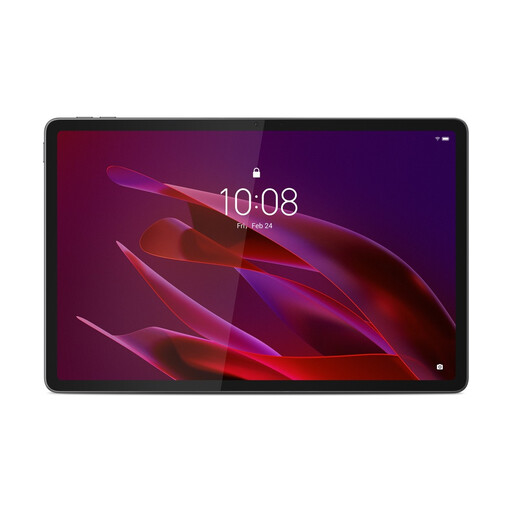 No image available
The 11.1-inch version comes with a stylus, making it an option to compare if you want to view scans and write source notes.
11.1-inch touchscreen with 3200 × 2000 pixels; 12 GB RAM; 256 GB storage; Wi-Fi 7; includes Tab Pen Pro.
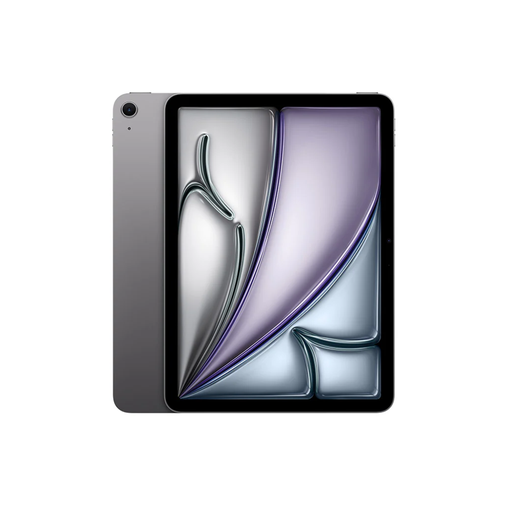 No image available
This iPadOS version is worth comparing if you want to use research apps and files in that environment.
11-inch Liquid Retina display; 256 GB storage; Wi-Fi. Apple Pencil Pro and Magic Keyboard sold separately.
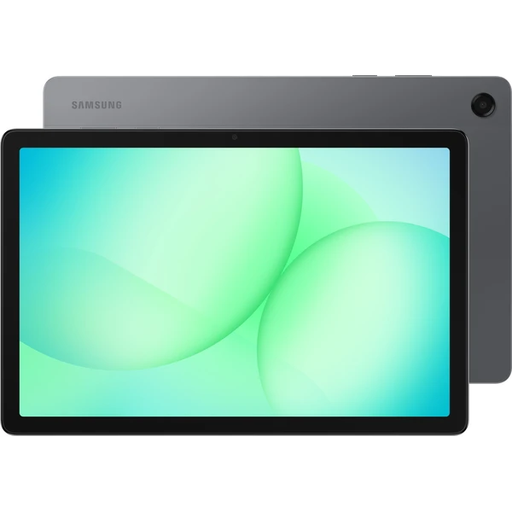 No image available
The 11-inch screen is worth comparing if you want to read documents without choosing a compact 8.7-inch model.
11-inch screen; 128 GB storage; Wi-Fi; expandable storage with a microSD card.
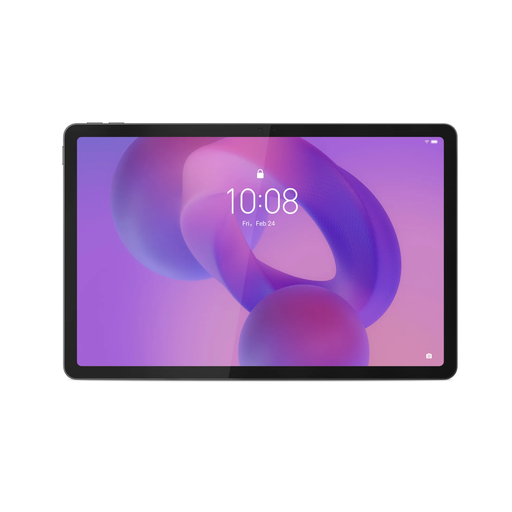 No image available
The included stylus makes this version a good option if you want to write source notes while you search.
11-inch IPS screen with 2560 × 1600 pixel resolution; 8 GB RAM; 128 GB storage; 90 Hz; includes Lenovo Tab Pen. Charger not included as standard.
 No image available
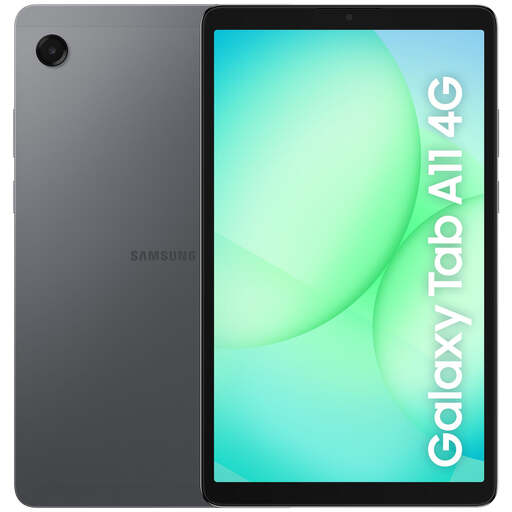
The compact LTE version is an option for quick searches on the go when independent mobile internet access is important.
8.7-inch screen with 1340 × 800 pixel resolution; 4 GB RAM; 64 GB storage; LTE and SIM card slot. The smaller screen gives you less room for scans than a larger model.
You need an internet connection to search online. Compare available Wi-Fi or a phone hotspot with a tablet version that supports mobile data itself; if you choose the latter, remember to factor in a suitable data plan. Some images have access requirements that an internet connection alone won’t resolve.
FamilySearch describes options in its mobile apps for adding a document or photo through Memories, for example from the camera or files. Check that this process suits your source notes and consider what information you want to share.
That depends on the exact version and bundle. The Lenovo Idea Tab bundle reviewed includes a stylus, mouse and keyboard, while Microsoft says the keyboard for the first-edition 12-inch Surface Pro reviewed is sold separately. The Lenovo IdeaTab version mentioned doesn’t include a charger as standard. Check what’s in the specific box.
According to ACM ConsuWijzer, the seller must put right a product that breaks sooner than you could reasonably expect with normal use, at no cost to you. This could mean a repair, replacement or refund. The Netherlands Authority for Consumers and Markets also says that online purchases usually come with a 14-day cooling-off period; changing your mind and getting a remedy for a faulty product are separate matters.
Don’t assume that you can. The Dutch Data Protection Authority says that information about other people may, in principle, only be published online with their consent. Before sharing, consider which people and details will be visible.