
Vandaag of morgen in huis

Kwaliteit gegarandeerd

Welkomstaanbiedingen ontgrendelen: GRATIS bezorging | Tot 80% korting | Gratis 30 dagen JoyPlus-proefperiode
Download de app
A gel face cleanser feels lightweight, is usually easy to rinse off and works well as part of a daily morning and evening routine. Even so, choosing the right one is less straightforward than attractive packaging or a promise of “intensive hydration” might suggest. A cleansing gel should remove dirt, sebum and sunscreen residue without leaving your skin feeling tight after washing.
As a Joybuy Product Recommendation Officer, I filter product information based on practical points: skin type, ingredients, pH, size and usage. This helps you see which features can be verified and which marketing claims are best treated with a degree of caution.
A brand may describe a cleanser as gentle or suitable for sensitive skin. That is no guarantee that everyone will tolerate the formula well. It is therefore also important to check the ingredients list. Fragrance, essential oils, alcohol and known fragrance allergens may be relevant if your skin reacts easily.
Even a fragrance-free product may not suit every user. Introduce a new face cleanser gradually and stop using it if persistent redness, itching or a burning sensation occurs.
A low pH cleanser generally has an acidity level closer to the skin’s natural acid mantle. A pH of around 5 to 6 is often considered gentle, but the precise effect also depends on the cleansing agents, fragrances and your skin type.
A product labelled “low pH” on the front is therefore not automatically the right choice. Check whether the pH is actually stated, and also look at the full ingredients list.
Ingredients such as glycerine, panthenol, betaine, hyaluronic acid and ceramides can help support a comfortable feeling after washing. Because a cleanser is rinsed off, the presence of one popular ingredient does not tell you everything about the end result.
A hydrating face cleanser may leave your skin feeling less dry, but it will not usually replace a cream or serum when your skin needs extra care.
Do not just look for “gel” or “foam” on the label. The cleansing agents largely determine how the cleanser feels. Products containing amino acid-based or coconut-based cleansers are often chosen by people looking for a gentle wash. Rich lather can feel pleasant, but lots of foam does not automatically mean a more thorough cleanse.
A pH of around 5 to 6 may suit anyone looking for a skin-barrier-friendly routine. For example, the product description for the SOME BY MI Snail TrueCICA Miracle Repair Low pH Gel Cleanser states a pH of 5.5. The Dr. Althea Green Relief Amino Gel Cleanser is described as a mildly acidic cleanser with a pH of 5.0–6.0.
Use lukewarm water and massage without rubbing hard. Twice-daily use may suit some people, but once a day may feel more comfortable if you have dry or easily irritated skin.
Compare the size: the products in this selection range from 50 ml to 200 ml. A smaller tube is useful for travel or for trying out a formula first. A pump bottle can be practical in the bathroom and helps you dispense the right amount.
Always check the expiry date and period after opening on the packaging. Some product information, for example, states 12 months after opening, but the packaging of your own product remains the definitive source.
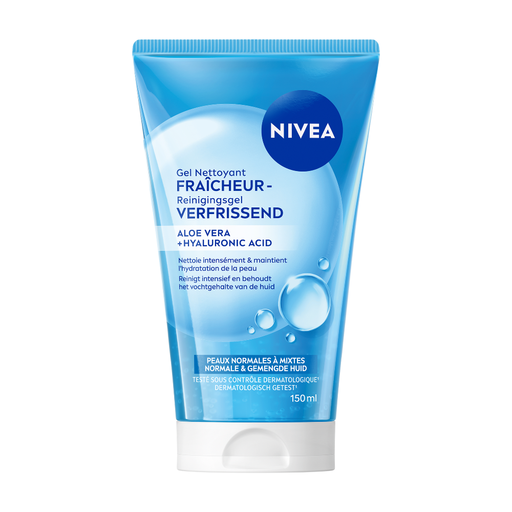
Why it suits this profile: This face wash is designed for normal and combination skin and comes in a 150 ml size for everyday use.
The product information lists specific uses, such as removing dirt, SPF residue and everyday impurities, rather than making only a general promise.
150 ml; contains glycerine, aloe vera and sodium hyaluronate according to the ingredients list. The manufacturer states that it is suitable for daily use.
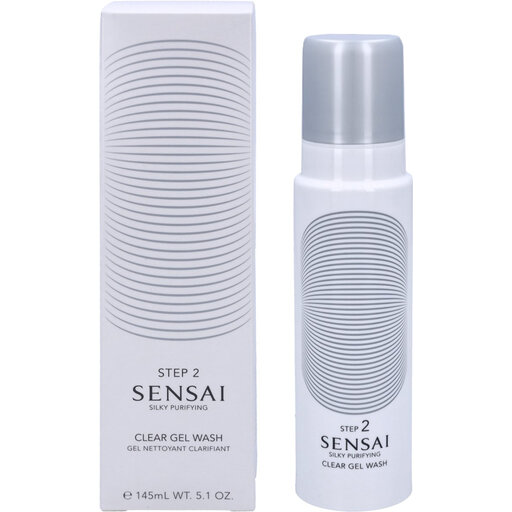
Why it suits this profile: The pump packaging and 145 ml size suit an established, well-organised skincare routine where convenience matters.
The product details include the formula, fragrance information and ingredients list. This allows you to check whether the cleanser matches your personal preferences.
145 ml; gel texture; pump bottle; described as suitable for all skin types.
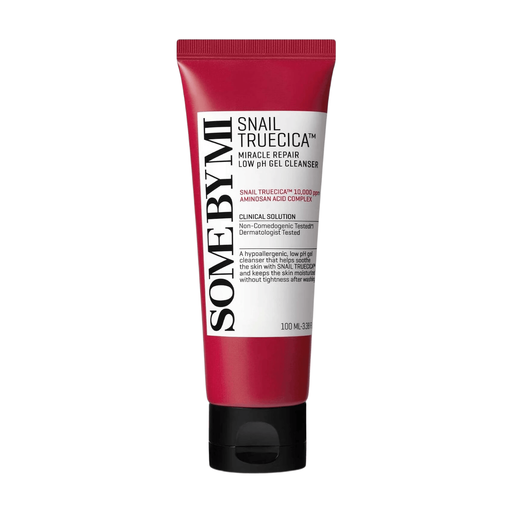
Why it suits this profile: This Korean face cleanser is aimed at users looking for a low pH and ingredients such as panthenol and ceramides in their routine.
The stated pH of 5.5 makes the low-pH claim verifiable. The formula also contains fragrance components such as bergamot oil, so check the ingredients beforehand if you are sensitive to these.
100 ml; pH 5.5 according to the product description; contains glycerine, panthenol, ceramide and 9,940 ppm snail secretion filtrate according to the ingredients information.
We have put together a complete, up-to-date list of products that fully meet these strict selection criteria and the applicable European safety regulations.
A cleanser for sensitive skin requires extra attention to fragrance, essential oils and personal allergies. If in doubt, carry out a patch test according to the instructions on the packaging. Avoid contact with the eyes and stop using the product if irritation occurs.
It can be, depending on the formula and your skin. Choose a gentle face cleanser, use lukewarm water and avoid vigorous scrubbing. If your skin feels tight or dry after washing, use the product less often or choose a gentler formula.
The terms are often used interchangeably. A gel cleanser usually refers to the texture, while face wash is a broader term for a product that you rinse off with water. Therefore, pay particular attention to the ingredients, skin type indication and usage instructions.
Some products are described in their product information as suitable for removing make-up or SPF residue. This does not mean that every gel cleanser will completely remove all waterproof make-up. With long-lasting or waterproof make-up, a separate first cleansing step may be needed.
