
Vandaag of morgen in huis

Kwaliteit gegarandeerd

Welkomstaanbiedingen ontgrendelen: GRATIS bezorging | Tot 80% korting | Gratis 30 dagen JoyPlus-proefperiode
Download de app
A pen that skips, smudges, or feels uncomfortable can be a source of daily frustration. Whether you're taking notes in a lecture, minuting an important meeting, or organising your thoughts in a journal, the right pen makes all the difference. Gel pens are popular for their smooth ink and vibrant colours, but not all are created equal.
As a Joybuy Product Recommendation Officer, I'm here to help you make the right choice. In this article, we'll explore what to look for when choosing gel pens and highlight several popular options based on their specifications and intended use.
Before making a decision, it's helpful to consider a few key features. This will help you find the pen that best suits your writing style and needs.
The size of the tip, measured in millimetres (mm), determines the appearance of your writing.
journaling and planners.No one likes smudges on their paper or hands. The quality of the ink is therefore a crucial factor. Quick-drying ink is a game-changer, especially for left-handers. Smudge-free pens ensure your work looks neat and professional. Many modern gel pens are specially designed with a formula that absorbs quickly into the paper, significantly reducing the risk of smearing.
A pen you use frequently should feel comfortable in your hand. Look for a soft, ergonomic grip to prevent cramping during long writing sessions. A retractable mechanism is practical, as you can't lose the cap. This makes them convenient office supplies for taking quick notes.
Below is a selection of gel pens that stand out for their unique features.
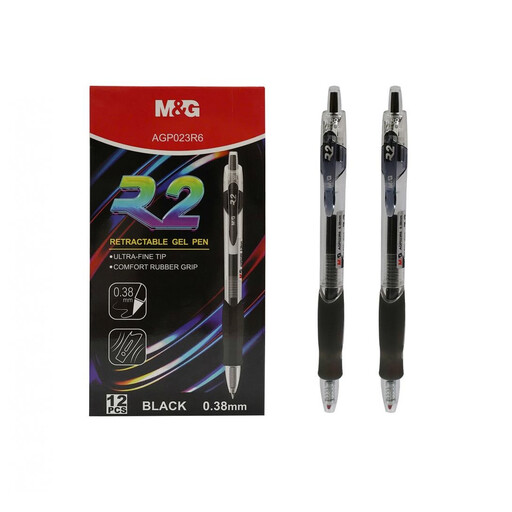
Why It Stands Out The M&G R2 is designed for precision work. Its ultra-fine 0.38mm point delivers extremely thin and consistent lines, which is ideal for those who write small and neatly.
Key Features
Who Is This Pen For? This gel pen set is an excellent choice for students who make extensive margin notes, professionals who need to annotate documents, and anyone who prefers a very fine and precise handwriting.

Why It Stands Out WRITECH focuses on a smooth, smudge-free writing experience. According to the manufacturer, the quick-drying ink is specially formulated to minimise smudging, making this pen highly suitable for left-handers. The set of coloured pens and its aesthetic design make it popular for creative use.
Key Features
journaling, and sketching.Who Is This Pen For? Creatives, students, and professionals who like to organise their notes with colour. Thanks to its quick-drying properties, this is one of the best no-smudge pens and a practical option for left-handed writers.
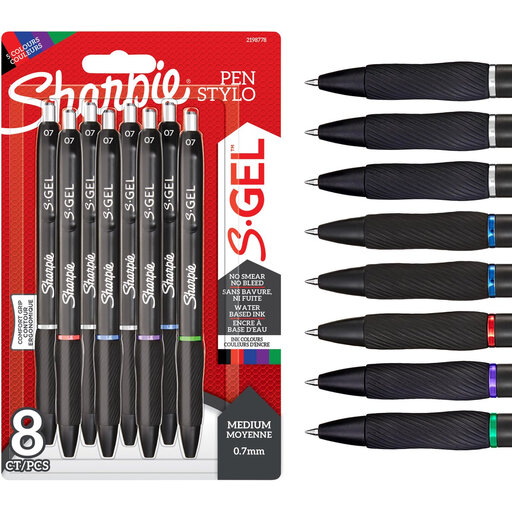
Why It Stands Out Sharpie is a well-known brand, and the S-Gel line is their answer to the demand for a reliable gel pen. The manufacturer claims this pen offers no smudging and no bleed-through. The 0.7mm medium point creates a bold, smooth line that is easy to read.
Key Features
Who Is This Pen For? This is an all-rounder for daily use at the office or at home. It's ideal for those who prefer a slightly bolder, fluid line and value a pen that performs reliably without smudging.
These recommendations are a starting point. Everyone has different preferences when it comes to stationery. Are you looking for different tip sizes, specific colours, or other brands?
Explore our full collection of writing pens here
The main difference lies in the ink. A ballpoint pen uses a thick, oil-based ink that dries quickly but can sometimes write less smoothly. A gel pen uses a water-based ink where pigment is suspended in a gel. This results in a smoother writing experience and more vibrant colours, but the ink can sometimes take slightly longer to dry.
Pens with quick-drying ink are the best option to prevent smudging. Brands like WRITECH and Sharpie (with its S-Gel) specifically advertise this feature. The drying time can also depend on the type of paper you use. On smooth, coated paper, drying takes longer than on standard printer paper.
Yes, provided you choose the right one. Left-handers move their hand over freshly written text, which increases the risk of smudging. A gel pen with quick-drying ink is therefore essential. Pens with a fine point (like 0.5mm) typically release less ink than pens with a bold point, which also helps to reduce smearing.
