
Vandaag of morgen in huis

Kwaliteit gegarandeerd

Welkomstaanbiedingen ontgrendelen: GRATIS bezorging | Tot 80% korting | Gratis 30 dagen JoyPlus-proefperiode
Download de app
A facial gel-cream feels lightweight, usually sinks in quickly and fits well with a busy morning routine. However, a fresh texture doesn’t automatically mean a product suits your skin. A gel-cream can be heavily fragranced, feel underwhelming on dry skin or contain ingredients you’d rather not mix with other skincare.
As Joybuy Product Recommendation Officer, I filter product information by practical points: skin type, texture, ingredients, when to use it and volume. That way you don’t compare standalone marketing claims, but features you can verify before you buy.
A watery or translucent gel-cream feels lovely on combination or oily skin. On dry skin, though, a light formula can be less comfortable, especially in winter or in a heated home. So check the INCI for hydrating ingredients such as glycerine, panthenol, urea, sodium hyaluronate or hyaluronic acid.
Terms like ‘lifting’, ‘firming’ and ‘anti-wrinkle’ often describe the intention of a range, not a guaranteed result. A brand’s description might say a formula targets early signs of ageing or aims for a smoother look. That’s not a promise for every user.
So choose an anti-ageing gel-cream or firming face cream primarily by its composition. Peptides, ceramides, niacinamide, antioxidants and retinoid ingredients appear in many formulas, but their presence alone won’t predict how your skin will respond.
A product described as suitable for all skin types may still contain fragrance, essential oils, alcohol or exfoliating acids. If your skin is sensitive, read the full ingredient list and patch test a small amount on a limited area first. Discontinue use if irritation occurs and avoid contact with the eyes.
A gel-cream with niacinamide is often chosen for a more even-looking complexion and to support the skin barrier. According to SKIN1004’s product description, Brightening Capsule Cream contains 4–4.9% niacinamide alongside Centella Asiatica, panthenol and tranexamic acid.
A gel-cream with hyaluronic acid or sodium hyaluronate is appealing when hydration is your priority. Rilastil HYDROTENSEUR lists sodium hyaluronate and multiple ceramides in the INCI. That makes the composition verifiable, but it still doesn’t predict your personal skin outcome.
For a wrinkle-targeting face cream or a product positioned as firming, you’ll often see peptides, adenosine, bakuchiol or retinoid ingredients. Endocare CELLAGE lists ceramide NP, retinol, hydroxypinacolone retinoate, peptides and vitamin C derivatives, among others. With active ingredients, it pays to build up slowly. And during the day, always use a sunscreen as directed on that product.
A 40 to 50 ml pack is standard for a face cream. A jar, tube or pump bottle affects ease of use and hygiene. A tube is handy for everyday use and travel; an airless container, according to the brand’s product description, limits contact with air and hands.
Also consider:
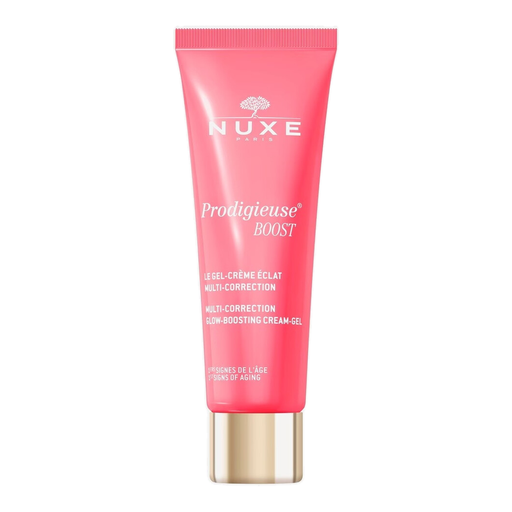
Why this suits the profile: A straightforward choice for normal to combination skin when you want a light day cream with a matte finish.
The skin type and finish are clearly stated. Do note the presence of alcohol denat. and a jasmine scent in the product information.
40 ml, tube, gel-cream texture and, as described, a matte finish.
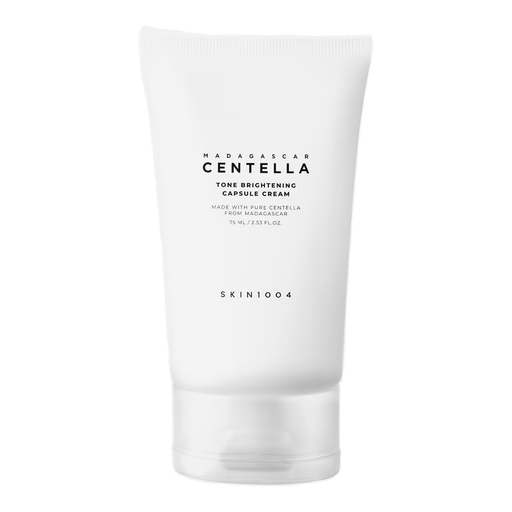
Why this suits the profile: Ideal if you’re after a Korean gel-cream with a fragrance-free formula and ingredients for hydration and a more even look.
The product information cites 60% Centella Asiatica, 4–4.9% niacinamide, 1.6–2% tranexamic acid and a fragrance-free formula.
75 ml, described as suitable for multiple skin types, plus panthenol, squalane and sodium hyaluronate.
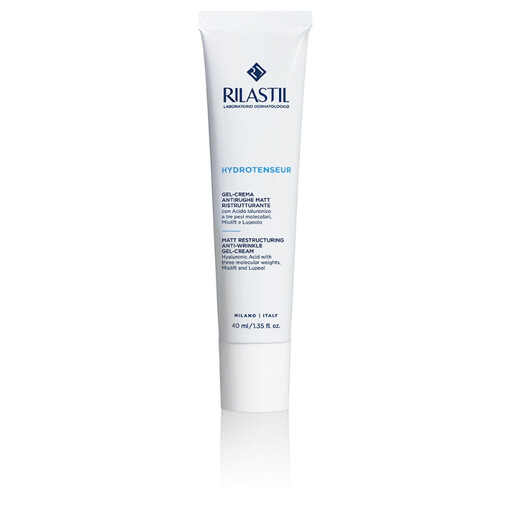
Why this suits the profile: A practical option for sensitive or combination skin that wants a day-and-night product with a light texture.
The product details mention sensitive and combination skin, a mattifying effect, and ingredients such as sodium hyaluronate and ceramides.
40 ml, day and night use according to the product details, with multiple ceramides in the ingredient list.
We’ve compiled a complete, up-to-date list of products that fully meet these strict selection criteria and comply with current European safety regulations.
Often yes, because the texture feels light and absorbs quickly. With oily skin, opt for a non-heavy formula and pay attention to the finish. A matte gel-cream can be more comfortable in the daytime, while a richer cream in the evening may suit dry areas better.
Check the expiry date and the PAO symbol on the packaging, for example an open jar icon with a number of months. Store the product in a cool, dry place, out of direct sunlight, and close it tightly after use. Has the scent, colour or texture changed? It’s best not to use it.
Yes. In most routines you apply products from thin to thick: cleanse, toner or serum, gel-cream and, in the daytime, sunscreen as the final step. Be cautious when combining actives. With formulas containing acids, vitamin C or retinoid ingredients, follow the instructions and build up slowly if your skin is sensitive.
