
Vandaag of morgen in huis

Kwaliteit gegarandeerd

Welkomstaanbiedingen ontgrendelen: GRATIS bezorging | Tot 80% korting | Gratis 30 dagen JoyPlus-proefperiode
Download de app
A gel cream for your face feels lightweight, usually absorbs quickly and works well as part of your daily skincare routine. But a fresh, watery texture doesn’t automatically mean a product is right for your skin. Some formulas contain fragrance or alcohol, while others may not offer enough nourishing ingredients for dry skin.
The main pitfalls to watch out for when buying a hydrating gel cream are:
A lightweight face cream or water gel often suits oily or combination skin, as it can feel less heavy. If you have oily skin, check the full formula rather than relying on the word “gel” alone. An oil-light or non-comedogenic formula may be a practical choice, provided this is stated in the product information.
For a gel cream for dry skin, a thin texture on its own isn’t enough. Look for humectants such as glycerine, hyaluronic acid, betaine and panthenol, alongside emollient ingredients. If you’re looking for a gel cream for combination skin, you could use a lightweight formula all over your face and apply a richer cream to any drier areas.
According to the product description, a face cream with hyaluronic acid helps attract and retain moisture. The effect and visible results vary by formula and skin type. Niacinamide features in several recommended products and is often associated by brands with skin comfort and a more even-looking complexion. Treat these benefits as product information, not medical claims.
If you have dry or dehydrated skin, ceramides, squalane, panthenol and glycerine may be worth looking for. If your skin is sensitive, a fragrance-free formula can make it easier to assess the ingredients. Always check the ingredients list on the packaging, as formulas can change.
Compare the number of millilitres with the price. A 30 ml jar may be handy for trying a product first, while 75 or 100 ml is often more practical for everyday use. Also check:
A gel cream isn’t a replacement for sunscreen. During the day, use a separate sun protection product if it’s part of your routine.
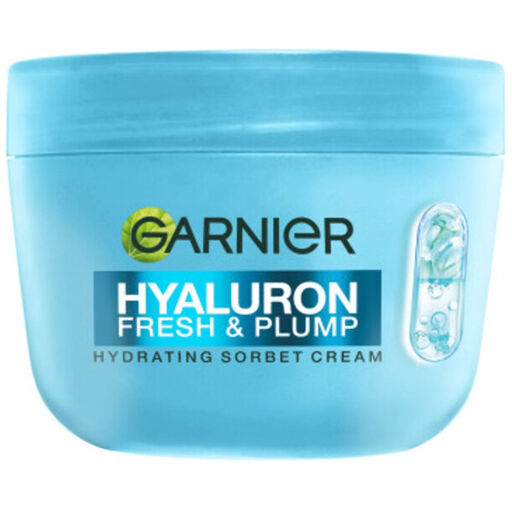
Why it suits this profile: The 85 ml size and fresh gel texture make this an accessible option for everyday use.
The ingredients list is clearly provided. However, take note of denatured alcohol, fragrance and salicylic acid if your skin is sensitive to them.
85 ml; contains glycerine, niacinamide, aloe vera and sodium hyaluronate, according to the product information.

Why it suits this profile: The compact size is handy for trying a gel cream for the first time or taking it with you.
The product information describes it as a gel cream that’s fragrance-free, alcohol-free and non-comedogenic. The “100 hours” claim is based on Clinique’s own research, so focus on the texture and ingredients that suit you.
30 ml; gel-based; according to the product information, suitable for dry, very dry, combination and oily skin.
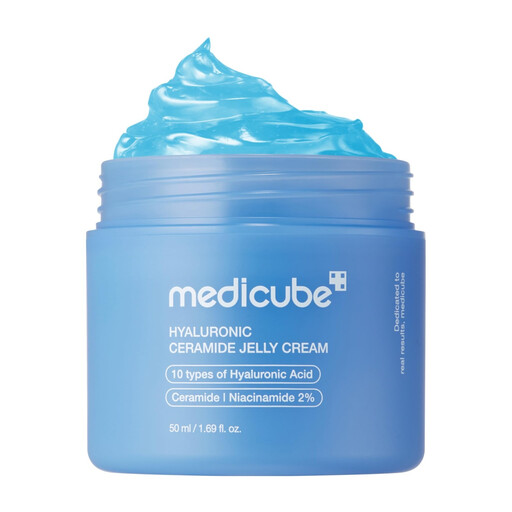
Why it suits this profile: The jelly texture is designed for those looking for hydration and barrier-supporting ingredients without a heavy feel.
The formula combines a lightweight texture with ceramide NP, squalane, panthenol and sodium hyaluronate. Check the packaging when you buy it, as ingredients can change.
50 ml; contains niacinamide, ceramide NP, squalane, glycerine and hyaluronic acid, according to the listed ingredients.
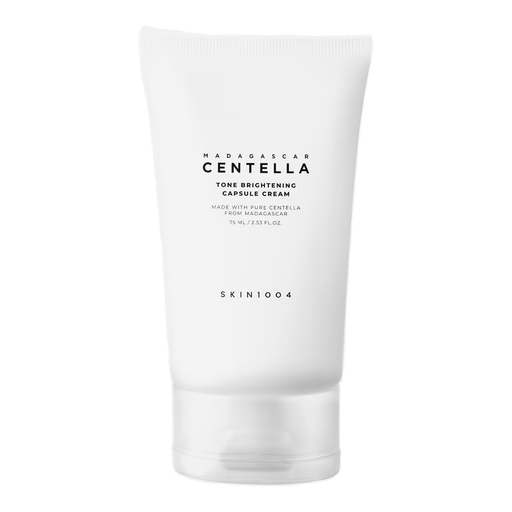
Why it suits this profile: An everyday Korean skincare gel cream with a lightweight texture and, according to the product information, a fragrance-free and alcohol-free formula.
The product description lists 60% Centella Asiatica extract, niacinamide and tranexamic acid. Claims about soothing and brightening come from SKIN1004; don’t expect medical benefits.
75 ml; fragrance-free, alcohol-free and vegan according to the product information; also contains panthenol and sodium hyaluronate.
We’ve put together a complete, up-to-date list of products that meet these strict selection criteria and the current European safety requirements.
It can be, but look beyond the texture. A hydrating gel cream with glycerine, hyaluronic acid, panthenol or ceramides may feel more comfortable on dry skin than a formula made up of only watery ingredients. If your skin feels tight, you can apply a richer cream over the gel cream.
Apply the gel cream after cleansing and, if you use one, after serum. Use a small amount on your face and neck and let it absorb. Follow with sunscreen during the day. If you’re trying a new product, test it on a small area of skin first, especially if the formula contains fragrance, essential oils or acids.
Follow the use-by date and period-after-opening instructions on the packaging. Store the jar or tube in a cool, dry place away from direct sunlight, and close it after use. If the smell, colour or texture changes, it may be best to stop using the product.
