
Vandaag of morgen in huis

Kwaliteit gegarandeerd

Welkomstaanbiedingen ontgrendelen: GRATIS bezorging | Tot 80% korting | Gratis 30 dagen JoyPlus-proefperiode
Download de app
A gel cream for your face feels lightweight, often absorbs quickly and works well with a busy morning routine. However, hydrating gel creams can vary greatly in their ingredients, how they feel on the skin and how suitable they are for different skin types. A formula that feels comfortable on oily skin may not provide enough moisture for dry skin. And a product with a fresh gel texture won’t necessarily suit sensitive skin.
Here are three common pitfalls to watch out for:
A gel cream usually has a water-based gel formula with humectant and emollient ingredients. A lightweight moisturiser is handy under make-up or sun cream, as it can feel less heavy on your skin. However, dry skin may need a cream with ingredients such as squalane, ceramides, shea butter or silicones to help lock in moisture.
Look out for the difference between:
If you’re looking for a gel cream for oily skin, check for terms such as oil-free, non-comedogenic and lightweight. These qualities don’t mean a product will work for everyone, but they can help you compare your options.
A hyaluronic acid face cream usually contains hyaluronic acid, or a form of it, as a humectant. It helps bind water to the skin’s surface, but the overall feel depends on the complete formula. Glycerine, panthenol, beta-glucan, trehalose and betaine are other ingredients often found in hydrating products.
For a moisture barrier cream, ceramides, cholesterol, fatty acids, squalane and panthenol are worth looking out for. Always check the ingredients list on the packaging, as formulas can change.
If you’re looking for a gel cream for sensitive skin, a fragrance-free formula is often a practical choice. Also check for essential oils, fragrance ingredients or anything else you’ve reacted to before. “Natural” doesn’t automatically mean gentle.
Test a new product on a small area of skin first. Stop using it if you experience a burning sensation, itching, swelling or persistent redness. Use face cream only as directed on the packaging and avoid contact with your eyes.
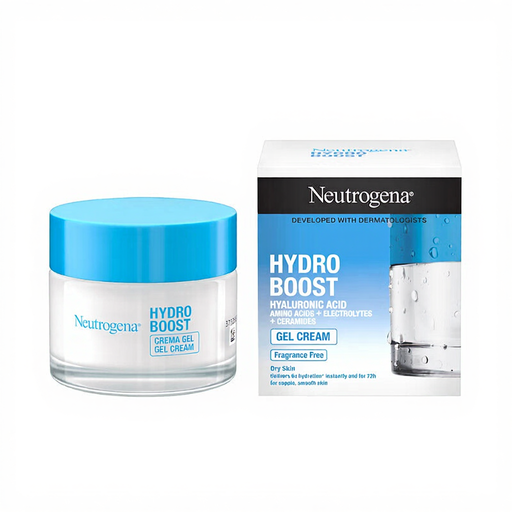
Why it suits this profile: A straightforward choice if you’re looking for a hydrating gel cream for dry skin without a heavy finish. According to the product description, the formula is fragrance-free and contains hyaluronic acid and trehalose.
The product description calls it a non-greasy, fragrance-free gel cream. The stated 48-hour hydration claim is a brand claim, not a universal guarantee.
50 ml, fragrance-free and contains hyaluronic acid and trehalose, according to the product information.

Why it suits this profile: Ideal if you want a versatile gel moisturiser to use as a day cream, under make-up or as a short-term mask.
The formula is described as fragrance-free, alcohol-free, oil-free and non-comedogenic. The claim of up to 100 hours of hydration comes from Clinique and should be understood as a brand claim.
30 ml gel cream with several uses and a fragrance-free formula, according to the product details.
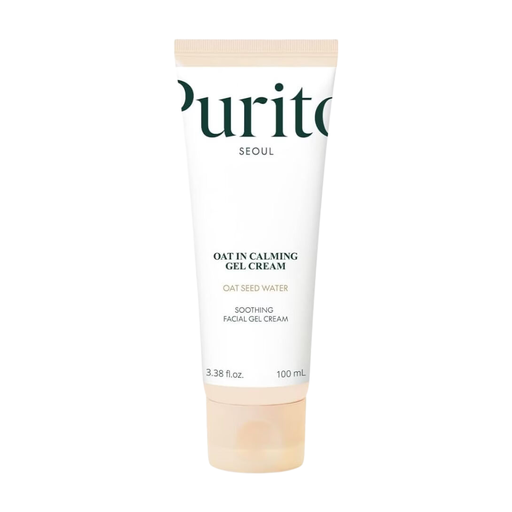
Why it suits this profile: An option for fans of Korean skincare looking for a lightweight gel cream for sensitive or acne-prone skin. It comes in a 100 ml size.
The ingredients list is clearly provided and includes panthenol, squalane and beta-glucan. If you have known allergies, always check the packaging too.
100 ml, with 77% oat seed water according to the product description and a lightweight texture for everyday use.
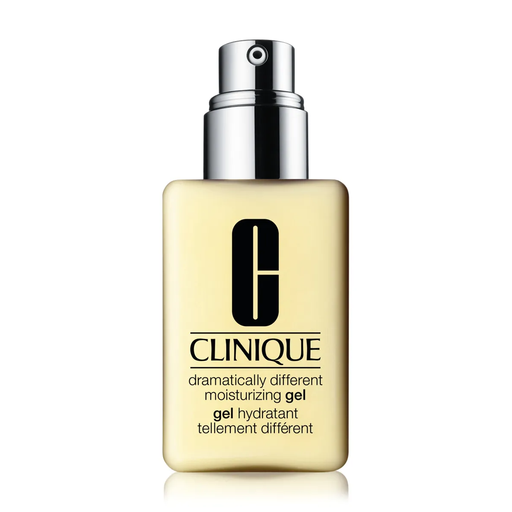
Why it suits this profile: Its oil-free gel texture and 125 ml size make it well suited to everyday use on combination or oily skin.
The product details describe an oil-free, fragrance-free formula. The description recommends using this product as part of a complete skincare routine.
125 ml, oil-free and designed for oily skin, according to the product information.
We’ve put together a complete, up-to-date list of products that meet these strict selection criteria and current European safety regulations.
Yes, but look beyond the texture alone. A face cream for dry skin ideally contains several humectant and emollient ingredients. A lightweight gel cream can feel comfortable during the day; if your skin feels tight, a richer cream or an extra layer of product may be a better fit.
Apply a small amount to a cleansed face. If you use a serum as part of your routine, apply the gel cream afterwards and before sun cream in the morning. Always follow the directions on the packaging. During the day, it’s a good idea to use a separate sun cream with suitable protection.
Check the expiry date and the period-after-opening symbol on the packaging. Store the product in a cool, dry place away from direct sunlight. Don’t use face cream if its smell, colour or texture has noticeably changed. If you have sensitive skin, it’s also a good idea to test a new product on a small area first.
