
Livraison le jour même et le lendemain

Qualité garantie

Débloquez vos offres de bienvenue: Livraison GRATUITE | Jusqu'à -80 % | 30 jours d'essai gratuits à JoyPlus
Téléchargez l'application
A shiny forehead by noon, a sticky feeling under your makeup, or a cream that promises to hydrate but leaves your skin feeling tight. Sound familiar? The search for the perfect day gel cream can feel like navigating a maze. A gel cream seems like the ideal solution: hydration without the heavy, greasy feeling. Yet, there are pitfalls that can make your purchase unnecessarily expensive or disappointing.
Before you invest, watch out for these common marketing traps:
gel cream for oily skin.mattifying cream effect, but in the long run, it can strip the skin barrier and actually cause dehydration.lightweight moisturiser should, above all, be functional.To avoid buyer's remorse, it's wise to focus on a few concrete specifications. This will help you see through the marketing claims and choose a product that truly suits you.
The most important characteristic of a gel cream is its texture. You want a formula that absorbs quickly without leaving a sticky residue.
A good hydrating gel cream does more than just moisturise. The right active ingredients can address specific skin concerns.
face cream for combination skin should provide this balance.gel cream with hyaluronic acid is a popular choice. Hyaluronic acid can hold large amounts of water, resulting in hydrated and plump skin without a greasy feel. Glycerin is another effective and commonly used humectant.A quick look at the ingredients list can prevent a lot of discomfort, especially if you have sensitive skin.
Based on the criteria above, we have highlighted a few products that suit specific needs and skin types.
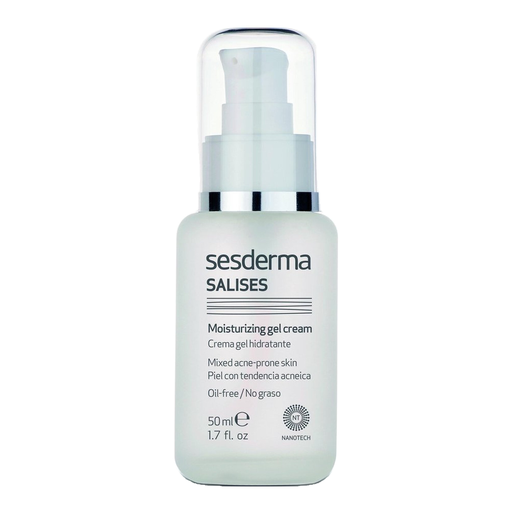
Why This Fits Their Persona: Ideal for those seeking hydration while also wanting to tackle sebum production and blemishes. The formula is targeted at the needs of young, oily, or acne-prone skin that requires balance.
This isn't a vague 'hydration bomb'. The formula contains specific, active ingredients like salicylic acid and niacinamide aimed at regulating sebum and purifying the skin.
Combines hydration with an exfoliating and sebum-regulating action. According to the manufacturer, it helps reduce oil production.
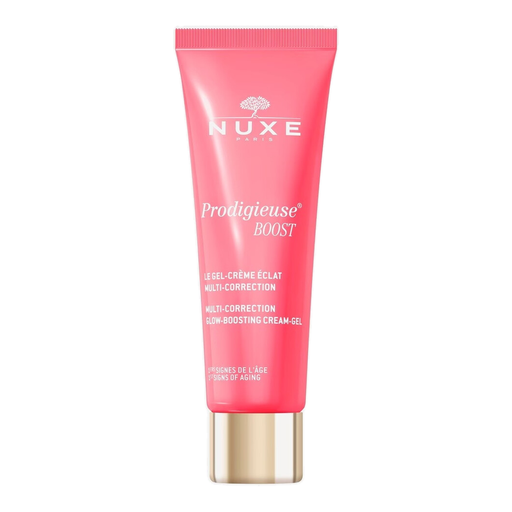
Why This Fits Their Persona: Suitable for normal to combination skin that desires a light texture but also wants to address the first signs of ageing. The mattifying finish is perfect for the T-zone without depleting drier cheek areas.
Instead of vague 'natural' claims, Nuxe specifies an antioxidant complex with jasmine flower. This provides a clearer picture of the active ingredients intended to protect the skin.
Offers a light texture with a matte finish. The formula focuses on combating the first signs of skin ageing.
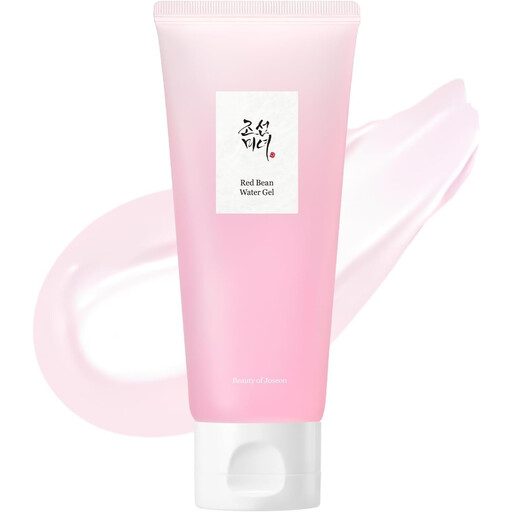
Why This Fits Their Persona: Perfect for fans of Korean skincare looking for an effective, lightweight formula for oily skin. The focus is on hydration and active sebum absorption, a common goal within K-beauty.
This gel cream tackles the "oil-free means non-greasy" myth. Instead of just avoiding oils, it contains red bean extract, which the manufacturer claims helps absorb excess sebum for a truly fresh feeling.
Light water-gel texture that focuses on hydration and pore care. Contains a peptide complex that, according to the brand, helps improve the skin.
We've compiled a complete, up-to-date list of products that meet these selection criteria and current regulations.
Yes, you certainly can. Although gel creams are popular for oily skin, there are also versions for drier skin types. Look for formulas described as "oil-in-gel" or those rich in nourishing ingredients like ceramides, squalane, and multiple types of gel cream with hyaluronic acid. The Aqua Label Special Gel Cream (Gold - Oil In) is an example of this.
The term non-comedogenic indicates that the formula is designed to minimise the risk of clogged pores. It's a good guideline, but not an absolute guarantee. Every skin reacts differently to ingredients. What works for one person may be less suitable for another. It remains a matter of trying out what feels best for your skin.
A good routine is essential. First, apply your gel cream to a cleansed face. Wait a minute or two until it is fully absorbed. Then, apply your sunscreen (SPF). Allowing the gel cream to absorb properly first prevents the products from pilling on the skin and ensures that both can do their job effectively.
