
Vandaag of morgen in huis

Kwaliteit gegarandeerd

Welkomstaanbiedingen ontgrendelen: GRATIS bezorging | Tot 80% korting | Gratis 30 dagen JoyPlus-proefperiode
Download de app
Choosing a new gas stove seems simple—until you realise the market is flooded with models that overpromise and underdeliver. Many people fall into the same traps: they choose a model that looks sleek at first glance but is covered in scratches after a few months, or they end up with a stove that causes their pans to wobble.
As a Joybuy Product Recommendation Officer, I'm here to help you cut through the marketing jargon. We'll focus on what truly matters, ensuring you make a purchase you'll be happy with for years to come. Let's examine the three most common purchasing mistakes and how you can avoid them.
To avoid a bad purchase, it's crucial to focus on a few concrete specifications. These aren't vague marketing terms but objective features that determine the quality and usability of your gas stove.
The first choice is between a freestanding gas stove and a built-in gas hob.
The pan supports are the pillars of your hob. The choice of material directly affects stability and ease of use.
A non-negotiable requirement for any modern gas stove is the thermocouple safety device. This safety system ensures that the gas supply is automatically cut off if the flame unexpectedly goes out (e.g., due to a draft or boil-over). The rule is simple: no flame, no gas. All gas appliances sold in the EU must be equipped with this. Always double-check to be sure.
Based on these objective criteria, we have selected a number of models that suit different user profiles.
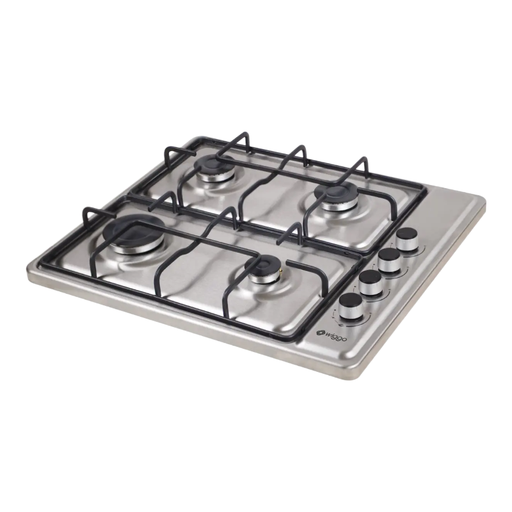
Why This Fits Their Persona: Ideal for those seeking a reliable, no-frills gas hob without complex installation. Perfect for a first home, a compact kitchen, or a rental apartment where a built-in model isn't an option.
This model bypasses the instability trap with solid enamelled pan supports and a robust stainless steel surface that is durable with proper maintenance. The freestanding design prevents unexpected installation costs.
Can be placed directly on the countertop, equipped with electronic ignition and the mandatory thermocouple safety device. A functional and safe choice.
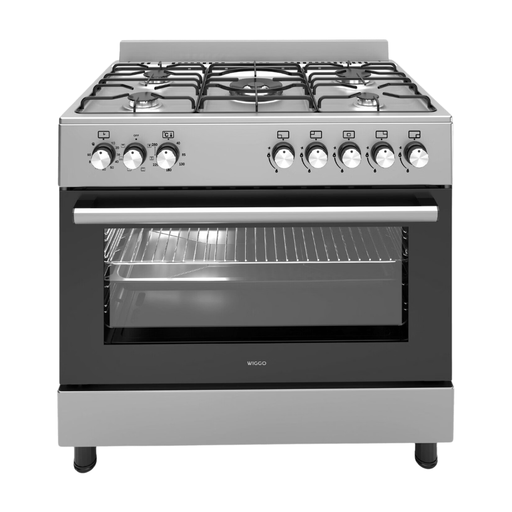
Why This Fits Their Persona: This Wiggo gas stove is built for those who love to cook frequently and for many. With a width of 90 cm, 5 burners, and a very spacious 110-litre oven, you can effortlessly prepare multiple dishes at once for a large family or guests.
The robust cast iron pan supports offer superior stability for large, heavy pans, completely avoiding the pitfall of wobbly supports. It's a complete gas stove with an oven, which eliminates compatibility issues.
The combination of 5 gas burners, a multifunctional oven with a 110-litre capacity, and a timer knob provides the flexibility and control a serious cook needs.

Why This Fits Their Persona: For those renovating their kitchen and wanting a sleek, integrated look. This built-in gas hob with a luxurious glass surface ("gas-on-glass") and cast iron grates combines modern aesthetics with professional functionality.
According to the manufacturer, the high-quality glass surface is scratch- and heat-resistant and easy to clean, avoiding the pitfall of a quickly aging stainless steel surface. The cast iron supports guarantee stability.
Offers the precision of gas cooking with the sleek appearance of an induction hob. Includes a powerful wok burner and automatic ignition for added convenience.
We have compiled a complete, up-to-date list of products that meet these selection criteria and Dutch safety regulations.
Yes, it is strongly recommended to have any gas appliance, especially a built-in gas hob, installed by a certified gas fitter. This ensures a safe and correct connection according to current standards. Improper installation can lead to dangerous situations such as gas leaks.
A good quality gas stove lasts an average of 10 to 15 years with normal use and proper maintenance. The lifespan heavily depends on the quality of the materials used (such as the burners and pan supports) and how carefully the appliance is cleaned.
A thermocouple safety device is an essential safety feature. It's a small sensor near each gas burner that measures the flame's temperature. If the flame goes out, the sensor cools down and automatically shuts off the gas supply to that burner. This prevents unburned gas from flowing into the room, eliminating the risk of an explosion or poisoning. It is a standard and mandatory feature in the Netherlands.
