
Livraison le jour même et le lendemain

Qualité garantie

Débloquez vos offres de bienvenue: Livraison GRATUITE | Jusqu'à -80 % | 30 jours d'essai gratuits à JoyPlus
Téléchargez l'application
Fancy a quick meal, but torn between Thai tom yum noodles, Korean seafood ramyun or Indonesian instant noodles? With prawn-flavoured instant noodles, the front of the packet doesn’t always tell you everything. “Shrimp”, “seafood” and “lobster” can refer to actual ingredients, extracts or flavourings. Portion sizes, preparation methods and salt content can also vary considerably.
So keep an eye out for these three common pitfalls:
First, check whether prawns, crustaceans, fish, squid or mussels are listed among the ingredients. Some varieties, for example, list shrimp powder or seafood flavour. That creates a different expectation from a product containing visible dried prawns.
If you have an allergy, take extra care. Many seafood instant noodles contain wheat, soya, fish, milk or molluscs as well as crustaceans. Recipes can vary between country versions, so always check the physical label and allergen declaration on the packet. Product information on a website is no substitute for the label.
There are roughly three types:
A 55–70 g portion is often suitable for a snack or light meal. Varieties weighing around 90–127 g are generally better if you want a bowlful to make a meal. You could add egg, pak choi, spring onion or tofu, but bear in mind that these will need extra cooking time.
Instant noodles often come with a seasoning sachet, oil and sometimes chilli paste. If you prefer a milder flavour, don’t automatically use everything. According to product information, the salt content of some products is several grams per 100 g. So compare the nutritional values per 100 g and per portion.
Also consider the difference between soup varieties and dry noodles. With soup noodles, you consume all the broth; with drain-and-mix noodles, some of the liquid is left behind. The stated nutritional values remain the key guide, but the preparation method affects how you actually consume the product.
The selection below is based on verifiable details such as portion size, packaging type, preparation method and listed ingredients. Taste is a matter of personal preference. Brand claims about authenticity or flavour have not been treated as established fact here.
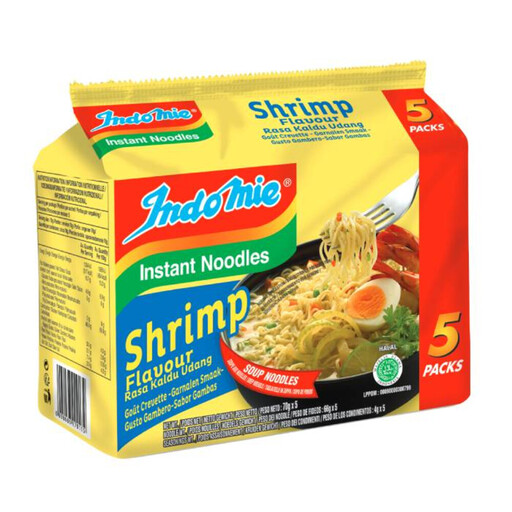
Why it suits this profile: A pack of five portions is a manageable way to try Indonesian instant noodles without buying a large box straight away.
The product information lists 0.3% artificial prawn flavouring. Expect a seasoned prawn flavour, rather than necessarily a large quantity of prawns.
Five individual 70 g portions, prepared by draining the noodles and then mixing them with the seasoning.
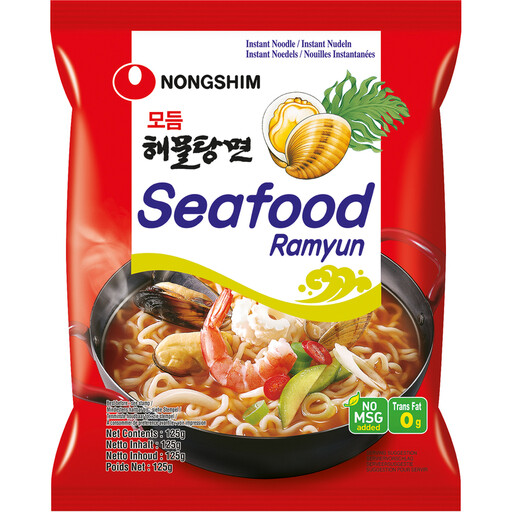
Why it suits this profile: A good choice for fans of Korean seafood ramyun who want a larger portion and a seasoned soup with a range of seafood ingredients.
The ingredients list includes squid, crab, seaweed, prawns and fish. Check the label carefully if you need to avoid particular allergens.
125 g per pack, with seasoning powder and dried vegetable and seafood ingredients, according to the product description.
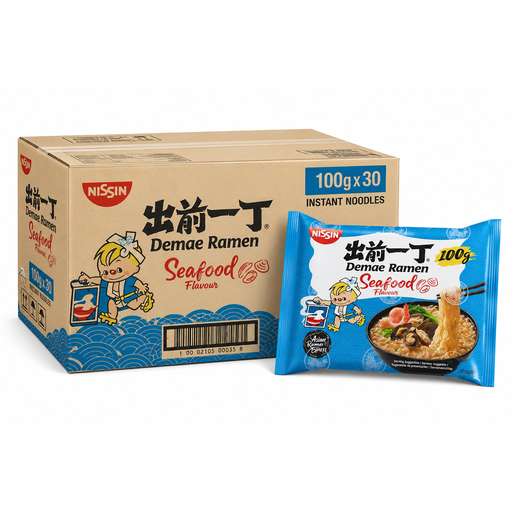
Why it suits this profile: A practical option for households, offices or clubs that regularly need a quick meal and require several portions.
The box contains 30 packs of 100 g each, making the number of portions clear from the outset compared with a mixed selection.
A total net weight of 3 kg, prepared with 500 ml of boiling water for around three minutes.
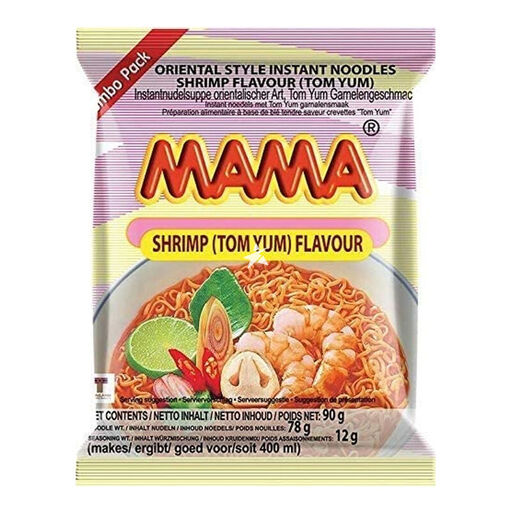
Why it suits this profile: A natural choice if you’re after chilli, lime-like sharpness and Thai herbs alongside prawn flavour.
The product description clearly states that it has a spicy Tom Yum profile, so you won’t be expecting a mild, neutral prawn broth.
A 90 g portion, prepared with boiling water, and an ingredients list that includes prawn powder, lemongrass and galangal.
We’ve put together a complete, up-to-date list of products that meet these strict selection criteria and comply with current European safety regulations.
Always follow the instructions on the packet. For soup noodles, use the stated amount of water; too much will make the flavour milder. For drain-and-mix noodles, pour away all the cooking water before adding the sauce and seasoning.
Store unopened packets in a cool, dry place, away from direct sunlight and moisture. Check the best-before date and don’t use a packet if it is damaged. If you buy a multipack, it’s helpful to arrange the individual sachets by date so you use the older portions first.
Usually not. Products may contain prawns, fish, fish sauce, crustaceans or flavourings of animal origin. Always check the ingredients list and allergen information. The term “prawn flavour” alone doesn’t tell you whether a product is vegetarian.
Start with some of the chilli powder or paste, then add more to taste. With soup noodles, you can add extra water, vegetables or an egg. Bear in mind that this will change the flavour and nutritional values per portion.
The exact shelf life is stated on the packet. Unopened noodles generally keep for a long time when stored in a cool, dry place. If you buy a multipack, check the dates regularly and look out for any damaged or damp packaging.
