
Vandaag of morgen in huis

Kwaliteit gegarandeerd
Download de app
Categorieën

A garment steamer is a practical tool for quickly de-wrinkling clothes, curtains, and other textiles. However, the market is vast, and specifications can be confusing. A model with a small water reservoir or insufficient steam power can quickly lead to frustration. This guide will help you understand the key parameters, so you can purchase a garment steamer that meets your needs, free from confusing marketing jargon.
When comparing garment steamers, there are several objective criteria that determine if a model is right for your situation. Pay attention to the following specifications.
The first choice is between a compact handheld steamer and a more powerful steam generator.
Based on the criteria above, we have selected models that represent a range of different needs.
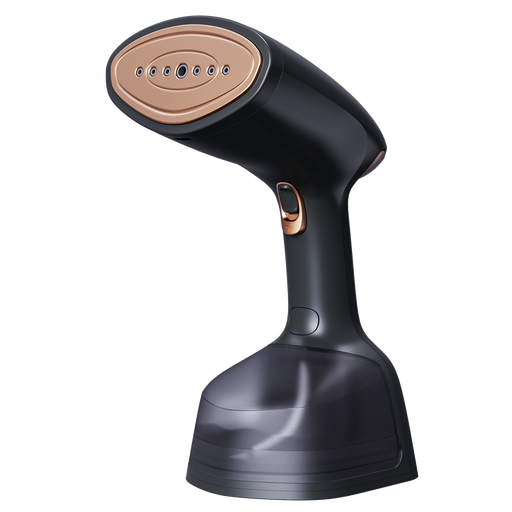
Why this product: This handheld steamer from Aucma combines high power with a relatively large water reservoir, making it a versatile choice for home use. The ability to steam both vertically and horizontally without leaking offers extra flexibility.
Pros:
Who it's for: For users seeking a powerful handheld steamer for regular home use and the flexibility to treat various textiles, from clothing to sofas.
View the Aucma Handheld Garment Steamer →
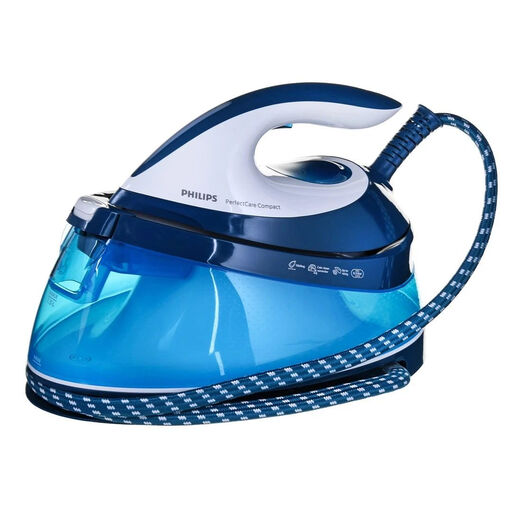
Why this product: This Philips garment steamer is a full-fledged steam generator designed for households with large laundry loads. The OptimalTemp technology, as claimed by Philips, eliminates the need to set the temperature.
Pros:
Who it's for: For families or individuals who iron large quantities of clothing weekly and are looking for a powerful and efficient alternative to a traditional iron.
View the Philips GC7840/20 Steam Generator →
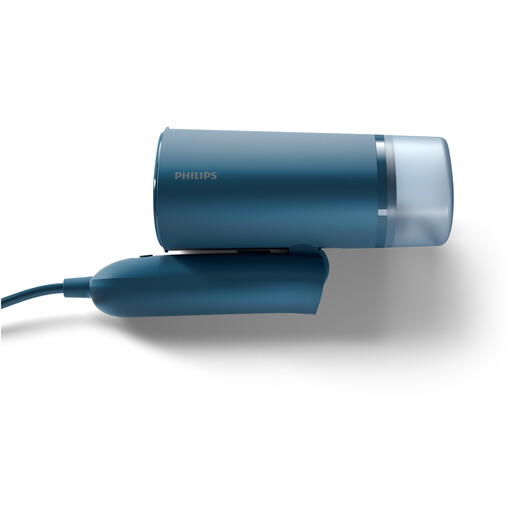
Why this product: This model from the Philips 3000 series is specifically designed for portability. Its foldable and lightweight design makes it an ideal travel garment steamer.
Pros:
Who it's for: For travellers, students, or anyone looking for a compact, quick solution to de-wrinkle clothes on the go or at home without setting up an ironing board.
View the Philips 3000 Series Handheld Steamer →
Is the water reservoir capacity a deciding factor for you, or are you looking for specific parts? Besides complete units, you might also consider looking at accessories or replacement parts. For an overview of available options, you can explore our range of water reservoirs and related products.
1. Can a garment steamer completely replace an iron? For most everyday garments and for quick refreshing, a garment steamer is an excellent alternative. A powerful steam generator comes close to the performance of an iron. However, for pressing sharp creases into items like dress shirts or trousers, a traditional steam iron often remains the most effective choice.
2. Is a garment steamer safe for all fabrics? Yes, steam is generally safer for delicate fabrics like silk, wool, and cashmere than direct contact with a hot soleplate. The hot steam relaxes the fibres without pressing them flat. However, it is advisable to test on a small, inconspicuous area first with very delicate materials.
3. How often should I descale my garment steamer? This depends on the water hardness in your area and how often you use the device. Many modern garment steamers, like the Philips GC7840/20, have a built-in system that indicates when descaling is needed. As a general guideline, you can aim to descale the device every 1 to 3 months with regular use and normal tap water.