
Vandaag of morgen in huis

Kwaliteit gegarandeerd

Welkomstaanbiedingen ontgrendelen: GRATIS bezorging | Tot 80% korting | Gratis 30 dagen JoyPlus-proefperiode
Download de app
A jar of garlic sauce might seem simple to pick, but the difference between a creamy sauce, a spicy garlic sauce and an Asian garlic sauce is huge. One variety works perfectly with shawarma and snacks, while another is better suited to noodles, dumplings or a hot stir-fry.
When comparing, don't just look at the front of the packaging. You'll often find flavour words like "rich", "authentic" or "extra spicy" there. Instead, check the ingredients, nutritional values, allergens and recommended use. That way, you'll avoid buying a large bottle that ultimately doesn't suit your dishes.
A classic sauce for shawarma is usually creamy, mild and slightly sweet. A garlic chilli sauce, on the other hand, often contains chilli peppers, oil, salt and sometimes sugar. It's better suited to rice, noodles, dumplings or stir-fry dishes.
If you're after a spicy sauce, you might also consider sambal garlic or a Chinese chilli sauce. These varieties tend to have more salt and a more pronounced heat. So check whether the sauce is intended as a dip, marinade or cooking base.
A 500 ml bottle might seem good value, but a creamy sauce has a limited shelf life after opening according to the label and often needs to be refrigerated. A 200 to 300 gram jar is a better fit if you only use sauce occasionally.
Also pay attention to the dosage. A strong sauce is usually used in smaller amounts. A smaller jar can therefore be more practical than a large bottle with a milder flavour.
Garlic sauce can contain milk, egg or mustard. Asian varieties often include soya, wheat or sesame. A product without the 14 main EU allergens doesn't automatically mean every user can have it: always read the current packaging.
The salt content also varies considerably. For example, NONG GENG JI Chopped Chilli Sauce lists 8.11 grams of salt per 100 grams, while Calvé Garlic Sauce lists 1.7 grams. That doesn't tell you which sauce you'll find tastier, but it does tell you something about how to incorporate the sauce into your meal.
Look at where garlic, chilli, ginger or oil appear in the ingredients list. With Ashoka Peeled Ginger Garlic Paste, the base consists of 45% ginger and 45% garlic according to the product information, along with vegetable oil, salt and citric acid. That makes the paste suitable as a cooking ingredient, not as a classic dipping sauce.
A sauce with tomato, sugar or vinegar tastes different from an oily Chinese chilli sauce. For a garlic sauce for stir-fry dishes, chilli, garlic, ginger and oil are handy flavour enhancers. For shawarma, creamy varieties with yoghurt or egg work better.
Compare at least these values:
When using a salty Chinese chilli sauce, start with a small amount and add more later if needed. That way, the flavour of rice, vegetables or meat remains recognisable.
Follow the instructions on the packaging. Some products need to be refrigerated after opening, while others simply recommend a cool, dry place. Always use the shelf-life information on the actual label. The product packaging may contain more or different information than an online product page.
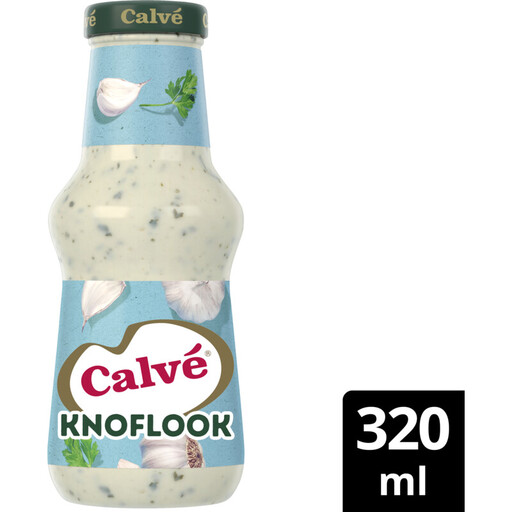
Why this fits the profile: This ready-to-use, mild sauce is practical for snacks, barbecues, wraps and roasted meat.
The 320 ml content is manageable for regular home use, without immediately choosing a large bottle. The ingredients and allergens are clearly stated.
Mild garlic flavour, vegetarian according to the product information and ready to serve.
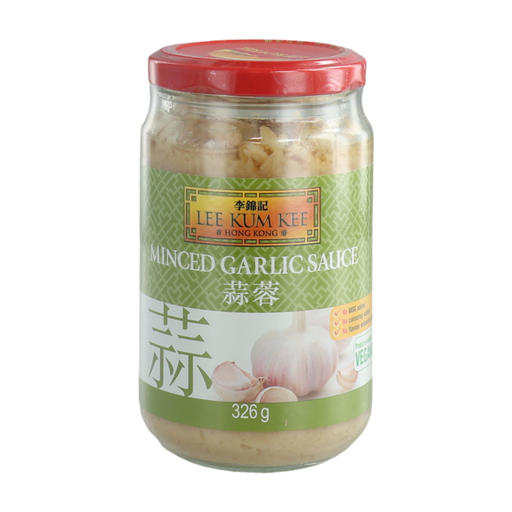
Why this fits the profile: A versatile sauce for anyone who wants one jar to use with dumplings, vegetables, noodles, tofu, meat and marinades.
Its use is not limited to dipping. According to the product description, the sauce can also be used for stir-frying and marinating.
Contains 25% garlic according to the label; ready to use and suitable for multiple cooking methods.
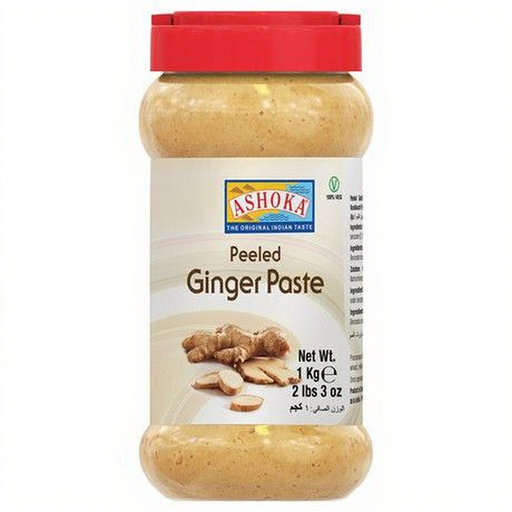
Why this fits the profile: Handy for home cooks who often prepare curries, marinades, rice dishes or stir-fries and don't want to chop fresh ginger and garlic every time.
This is a cooking paste, not a sweet, creamy sauce. Its use is therefore clearer: fry it in, use it as a marinade or as a base.
45% ginger and 45% garlic according to the product information; suitable for vegetarian and vegan diets according to the description.
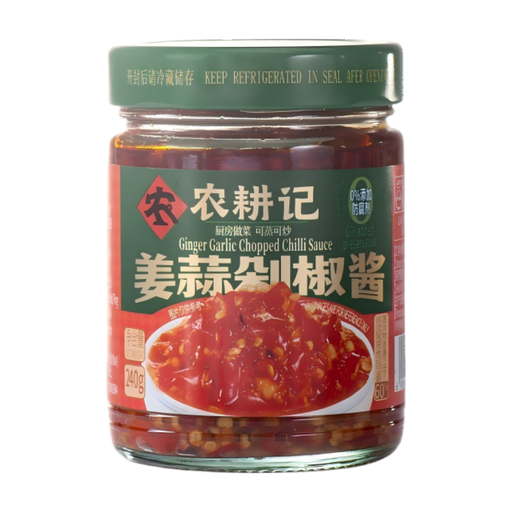
Why this fits the profile: For anyone looking for a spicy sauce for rice, noodles, stir-fries or as a hot pot dip.
The product description clearly states its use, and the jar contains 240 grams. So you can start small and adjust the amount per dish.
Contains chilli, garlic and ginger; ready to use and free from the listed allergens according to the label.
We've put together a full, up-to-date list of products that fully meet these strict selection criteria and comply with current European safety regulations.
A creamy sauce with a mild garlic flavour usually works well with shawarma, pitta and snacks. Check whether the sauce contains milk, egg or mustard if you want to avoid allergens. Yildriz, for example, lists egg as an allergen; Calvé lists milk, egg and mustard.
Garlic sauce is often creamy and mild. Garlic chilli sauce contains chilli peppers and is usually spicier, saltier or oilier. The second variety is better suited to rice, noodles, stir-fries and dumplings than to a classic shawarma dish.
This varies by product. Check the storage advice and the period after opening on the label. Put sauces that need to be refrigerated straight into the fridge and always use clean utensils. If you're unsure about the smell, colour, packaging or shelf life, it's best not to use the product.
