
Vandaag of morgen in huis

Kwaliteit gegarandeerd

Welkomstaanbiedingen ontgrendelen: GRATIS bezorging | Tot 80% korting | Gratis 30 dagen JoyPlus-proefperiode
Download de app
A jar of garlic chilli sauce might seem simple to pick, but the difference between sauces is huge. One variety can be mostly salty and oily, while another tastes sweet, sour, fermented or distinctly fiery. If you rely only on an attractive label or the word “authentic”, you could end up buying a sauce that doesn’t work with stir-fries, noodles or hotpot.
Joybuy’s Product Recommendation Officer helps you assess the key differences using verifiable information on the label and product description.
The term “spicy” doesn’t follow a fixed European scale. So check the ingredients list. If chilli or pepper appears near the top, it’s usually a major component. In some sauces, garlic takes centre stage and the chilli stays more in the background.
Also pay attention to the form: fresh or chopped chilli, dried chilli, chilli paste and fermented pepper each give a different texture and flavour. When trying a new sauce, start with a small amount, especially if you’re cooking for several people.
An Asian chilli sauce might be suitable for dipping, but that doesn’t automatically mean it works well in every stir-fry. A sauce with honey, tomato and sugar, for example, pairs differently with prawns or noodles than a fermented Chinese garlic sauce with black beans.
So look at the suggested uses: stir-frying, marinating, dipping, mixing with noodles or using as a hotpot dipping sauce.
Garlic chilli sauce frequently contains soya, wheat, fish or shellfish. This is especially true for sauces made with soy sauce, oyster sauce or fish sauce. Always check the allergen information, even if you’re only using the sauce in small amounts.
Salt content can also vary widely. Product information shows values from 5.8 to 9.5 grams of salt per 100 grams across different sauces. Use a salty sauce as a seasoning, and only add extra soy sauce or salt afterwards.
The order of ingredients gives you practical information. Ingredients are usually listed from largest to smallest quantity. Look out for:
A sauce with black beans is great for Chinese stir-fries, aubergine, mussels or meat. A simple chilli garlic sauce is often more flexible as a dip, marinade or addition to noodle soup.
The label usually states whether a product is ready to eat. That means you can use the sauce straight away as a dip or topping. Other products are mainly intended as a base for a prepared dish.
A stir-fry sauce can be added directly to cooked vegetables, tofu, meat or noodles. With a concentrated seasoning, one or two tablespoons is often enough for a pan. Taste first before adding extra salt, sugar or acid.
Compare the net weight with how you’ll use it. A jar of 326 or 368 grams is handy for regular cooking, while a pack of 70 to 90 grams can be suitable if you want to try a flavour first.
Once opened, a sauce often needs to be stored in the fridge. Always follow the packaging, as instructions vary by product. Use a clean spoon and seal the jar tightly. Also check the best-before date and the condition of the packaging.
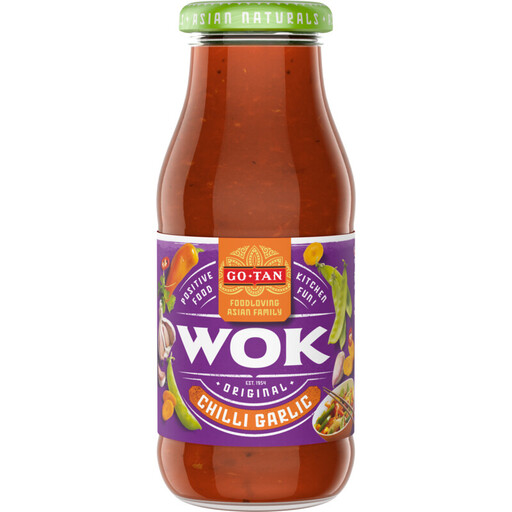
Why this fits the profile: A ready-to-use stir-fry sauce for anyone who wants to prepare vegetables, noodles or meat quickly without measuring out several seasonings.
The product description lists uses and the ingredients are specified. This means you can choose the sauce deliberately rather than relying only on the term “Asian”.
240 ml; according to the product description, it contains no preservatives or added flavour enhancers. It does contain soya, wheat, fish and shellfish, among others.
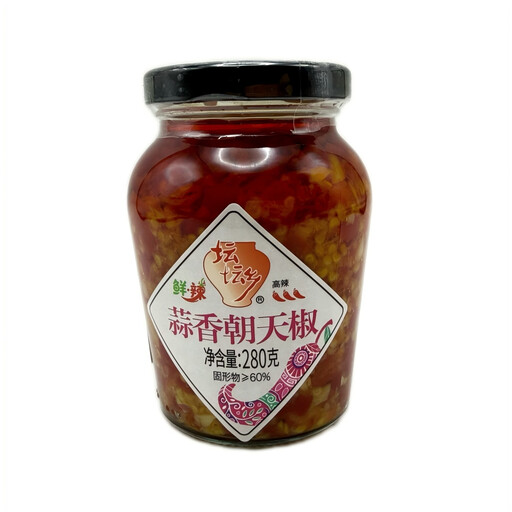
Why this fits the profile: For fans of a bold Chinese flavour with chilli, garlic and fermented black beans all in one sauce.
The product information explicitly mentions the Chaotian chilli, garlic and fermented soya beans. So you know exactly what flavour base to expect.
280 grams; it is suitable for stir-frying, marinating, dipping and noodles. The stated salt content is 9.5 grams per 100 grams; use sparingly.
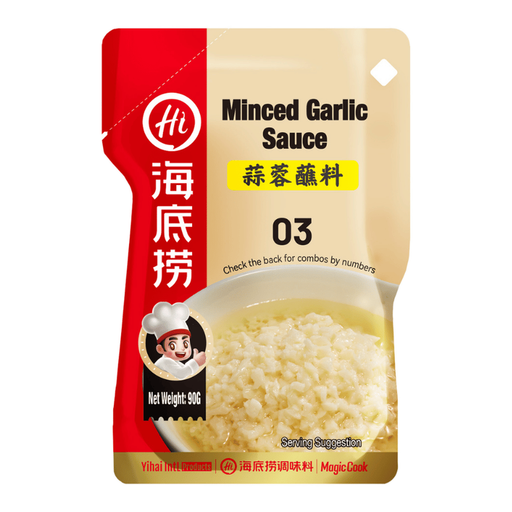
Why this fits the profile: Designed for hotpot, meat for dipping and dishes where a pronounced garlic base is desired.
The product information states 65% garlic and mentions its use as a hotpot dipping sauce. This makes the choice clearer than a general chilli sauce with no described application.
90 grams; it contains 65% garlic and soya. According to the product description, it is also usable with cold dishes, barbecue and certain stir-fries.
We’ve put together a full, up-to-date list of products that fully meet these strict selection criteria and comply with current European safety regulations.
Yes. A chilli sauce for noodles can be mixed directly through cooked or fried noodles. Add a small amount first and combine with sesame oil, rice vinegar or a little soy sauce if you like. Check allergens when adding extra soy sauce.
That depends on the brand and packaging. Store an opened jar according to the label, often chilled and tightly sealed. Always use a clean spoon and watch for changes in smell, colour or signs of mould. You must strictly follow the instruction “consume immediately after opening” when it appears on the packaging.
Garlic oil consists mainly of oil, garlic and sometimes salt. It’s suitable for finishing noodles, rice or stir-fries. A chilli garlic sauce also contains chilli and often water, sugar, vinegar or thickeners. This makes it thicker and usually more suitable as a dip, marinade or direct seasoning.
