
Writers who need sources alongside their text
You want to view a source page alongside your column while you write. Microsoft Support explains how to use Snap to arrange windows side by side on a Windows screen.


Start by working out how you want to arrange your screen so you can read your text and sources at the same time. Then check that your writing software works with the operating system you choose. A Windows mini PC or Mac mini could be a good fit if you already have a suitable monitor or want to choose one yourself. An all-in-one combines the computer and screen, so the screen is part of the setup you select. Microsoft Support explains how to snap Windows side by side, while Apple and Lenovo describe the display outputs on specific desktop models.
You want to view a source page alongside your column while you write. Microsoft Support explains how to use Snap to arrange windows side by side on a Windows screen.
You want to keep using your own screen, so check that the desktop and monitor have compatible connections. Lenovo lists HDMI and DisplayPort for the ThinkCentre neo 50q Gen 5, although this depends on the configuration.
You want to weigh up whether a computer with a built-in screen is a better fit than a standalone computer that still needs a monitor.
First, decide how you want to read your text and sources at the same time. Then check your software and consider whether you want to keep an existing screen or buy a complete setup.
| What to consider | What should you look for? | Who should pay particular attention? |
|---|---|---|
| Reading text and sources side by side | Check whether your document and source windows will fit on the screen you plan to use, and whether the layout feels comfortable for you. | If I want to read both texts while writing, making sure the windows are easy to read comes first. Around 36% of consumers prioritise being able to read both at once. |
| Screen and workspace | Measure the space for the complete setup and check that the computer and monitor have compatible connections. | If you want to keep an existing monitor or make the most of your workspace, consider screen placement and connections. Around 29% of consumers prioritise this need. |
| Software compatibility | Check the operating system requirements and licences for your writing, reference management and any photo software. | If I want to keep using my current programmes, I check their compatibility before choosing a computer. Around 21% of consumers prioritise compatibility with their existing writing workflow. |
| Complete setup and backup | Check which components are included with the configuration and arrange a separate backup for your columns and photos. | If you’re starting without a complete workstation or want to store drafts separately, check what else you need and how your files will be copied. Around 14% of consumers give this need top priority. |
A small computer case doesn’t make a complete workstation. You’ll also need a suitable screen for a mini PC, and the connections must be compatible.
Compare the complete setup and check the connections on the specific computer and monitor before you choose.
A stated screen resolution alone won’t tell you whether your document and source page will be comfortable to read side by side.
Try arranging a similar document and source window on the screen, and consider positioning and reflections too.
When you buy as a consumer, your statutory rights against the seller are separate from any manufacturer’s warranty. The ACM ConsuWijzer explains that the seller is responsible if a product does not perform as you could reasonably expect under normal use.
Check any additional cover separately and consider whether you’re buying the computer as a consumer or mainly for business use.
The ThinkCentre range includes compact Windows desktops, such as the neo 50q Gen 5, which you can use with a separately chosen monitor.
The Mac mini is an option for a macOS workstation with a separate screen, while the iMac combines the computer with a built-in display.
In the Netherlands, the ProDesk range includes Mini and SFF desktops, while the ProStudio range includes all-in-one computers.
This selection includes all-in-one computers with a built-in screen and a mini PC that requires a separate screen.
 No image available
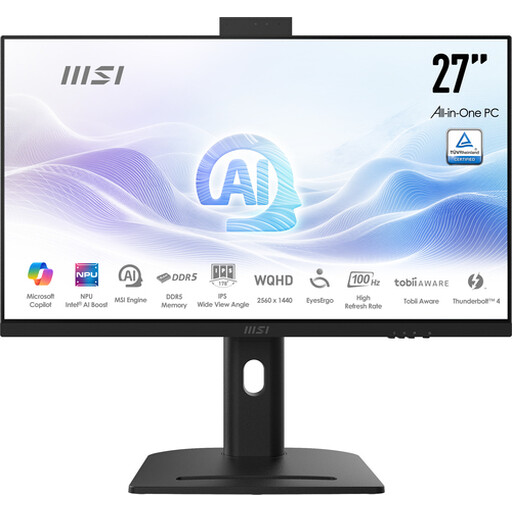
A good fit if you want your computer and screen in one setup. Check that the built-in screen lets you comfortably view your text and source window side by side.
27-inch screen, 2560 × 1440 pixels, Intel Core Ultra 5 125H, 16 GB DDR5-SDRAM and 1 TB SSD.
 No image available
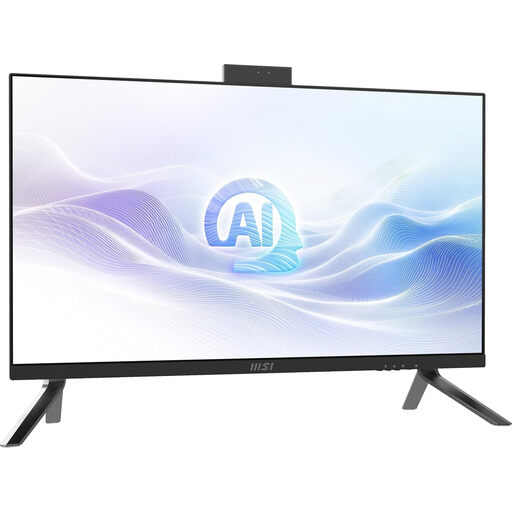
An all-in-one option if you want to choose your computer and screen together. Check that the screen layout suits the way you write.
Intel Core Ultra 7 155H, 27-inch screen, 2560 × 1440 pixels, 32 GB DDR5-SDRAM, 1 TB SSD, Windows 11 Pro and Wi-Fi 6E.
 No image available
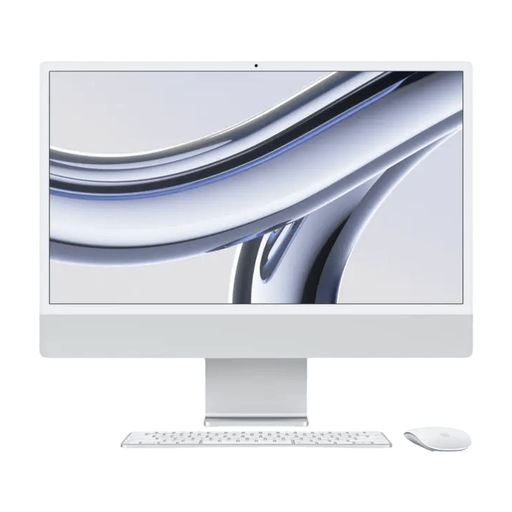
Worth considering if you’d prefer an iMac with a built-in screen rather than a separate computer and monitor.
24-inch screen, M3, 16 GB memory and 512 GB storage.
 No image available
An all-in-one option if you’re looking for a computer with a built-in screen. Check in advance which essentials are included with this configuration.
Please note: the power adapter must be purchased separately.
 No image available
A good fit if you want to pair a compact Windows desktop with a separately chosen monitor.
Windows 11, 8 GB DDR4, 256 GB SATA SSD, Bluetooth 5.2 and Wi-Fi 5. The product name lists both the Intel Core i5 8250U and 8350U, so check which processor comes with the configuration on offer.
On Windows, you can drag windows to the edges of the screen to snap them side by side. Microsoft Support explains how this feature works. Check that both windows remain easy to read on the screen you plan to use.
Back up your files separately. Microsoft explains how to use File History with an external drive or network location, while Apple describes using Time Machine with an external storage device for your Mac.
When you buy as a consumer, the seller is responsible if a product does not perform as you could reasonably expect under normal use. For online consumer purchases, you generally have 14 days from delivery to change your mind, although exceptions apply. ACM ConsuWijzer explains these rules. If you use the computer mainly or exclusively for business, don’t assume that consumer rights apply.
Yes. The Dutch government states that electronic devices placed on the market in the EU must carry the applicable CE marking. Check the mark on the specific device and its power supply when you buy it; the model name alone doesn’t confirm this.