
Vandaag of morgen in huis

Kwaliteit gegarandeerd

Welkomstaanbiedingen ontgrendelen: GRATIS bezorging | Tot 80% korting | Gratis 30 dagen JoyPlus-proefperiode
Download de app
A garden or balcony is a wonderful retreat, but sometimes you want to enjoy your outdoor space without prying eyes or a cutting wind. A quality garden screen can be the perfect solution. However, the market offers an overwhelming number of choices, from privacy cloths to garden mesh, making it easy to make a poor purchase. Many products look great at first glance but start causing problems after just one season.
As a Joybuy Product Recommendation Officer, I'm here to help you filter through the information. In this guide, we'll discuss the most common pitfalls and the specifications you truly need to consider before making a choice.
Before we look at solutions, it's helpful to understand what often goes wrong. Many disappointments can be avoided by paying attention to the following points:
To avoid the pitfalls mentioned above, there are a few technical features that should guide your choice.
Most privacy cloths and protective nets are made of HDPE (High-Density Polyethylene). This is a strong and lightweight plastic. However, specifically look for the mention "UV-stabilised" or "UV-treated". This is not a standard feature but an additional treatment that ensures the material retains its colour and flexibility for years. For a more decorative and fabric-like appearance, Textilene (a combination of polyester and PVC) is a durable alternative.
Not every garden screen serves the same purpose. The structure determines its function:
Always inspect the edges of the cloth. Are they hemmed or reinforced? This prevents tearing. Metal eyelets (often made of aluminium or brass) are significantly stronger than plastic versions. A good rule of thumb is to have eyelets placed every 50 cm for a sturdy and taut installation.
Based on these criteria, we have selected a number of products that suit different user profiles.
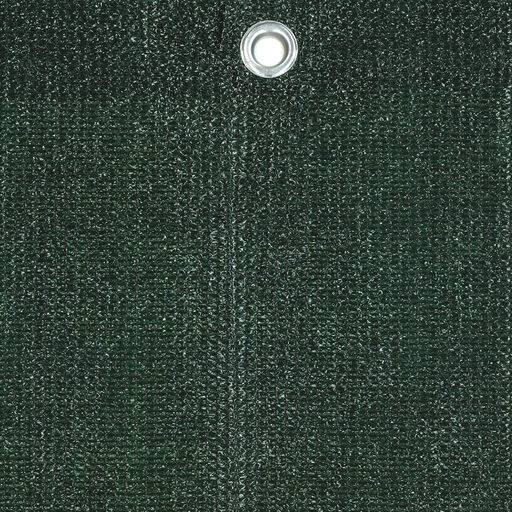
Why it's a match: At 1x5 metres, this net is ideal for most balcony railings. It offers a great balance of privacy, wind reduction, and a neat appearance without completely closing off the balcony.
It is UV-stabilised, which prevents rapid discolouration. The aluminium eyelets and tear-resistant weave address the issue of durability in windy conditions.
Simple and fast installation thanks to the eyelets along the edges. The material is fray-resistant, which is useful if you need to cut it to size.
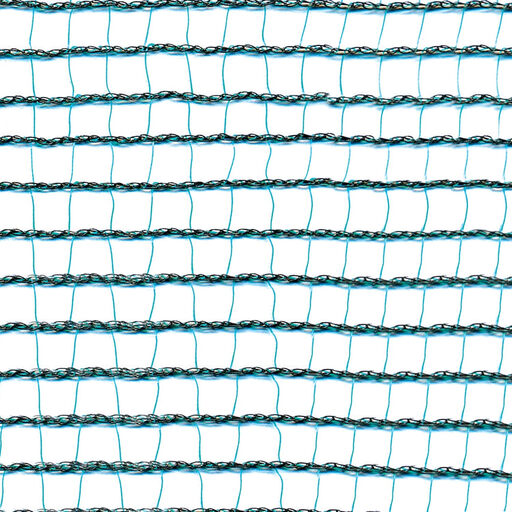
Why it's a match: This net is specifically designed to protect crops and fruit from hail damage and birds, without blocking essential elements like air and water.
This is not a privacy cloth, so it avoids the pitfall of creating a wind trap. It's made from UV-treated polyethylene, making it durable for outdoor use.
Woven from monofilament polyethylene with side reinforcements. This creates a strong structure that protects crops without suffocating them.
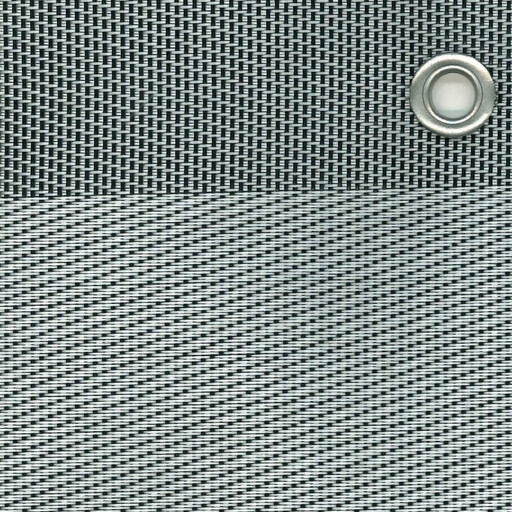
Why it's a match: For those seeking more than just a functional green cloth. The Textilene material with silver thread provides a modern, elegant look that complements a sleekly designed garden or patio.
This product is tear, wind, and sun-resistant. The material (polyester and PVC) is inherently robust and durable, bypassing the pitfalls of discolouration and tearing.
Offers excellent screening with a decorative effect. The aluminium eyelets at the top and bottom ensure a taut and reliable installation.
We have compiled a complete, up-to-date list of products that meet these selection criteria. Find the perfect solution for your garden, balcony, or patio.
Most cloths and nets are attached using zip ties, special clips, or rope threaded through the metal eyelets. Make sure to attach the screen to a sturdy structure, such as a fence, fence post, or balcony railing. Place a fastener approximately every 30 to 50 centimetres for a taut result that can also withstand wind.
The lifespan depends heavily on the material and the presence of a UV coating. A simple, untreated cloth can become brittle after just one or two seasons. A high-quality, UV-stabilised HDPE or Textilene screen, when installed correctly, can last for five years or more.
There is no single best material for everyone; it depends on your goal. HDPE (polyethylene) is a popular all-around choice due to its good balance of durability and price. For a more decorative look, Textilene (polyester/PVC) is an excellent option. For specific applications, such as insect protection, fibreglass is often the designated material.
