
Vandaag of morgen in huis

Kwaliteit gegarandeerd

Welkomstaanbiedingen ontgrendelen: GRATIS bezorging | Tot 80% korting | Gratis 30 dagen JoyPlus-proefperiode
Download de app
A garden or balcony only truly becomes a pleasant space when you can relax there undisturbed. A good garden screen provides privacy, blocks the wind, and can conceal an unsightly fence or a dull view. However, the search for the right solution can be frustrating. The market is filled with products that promise a lot but don't always deliver.
As a Joybuy Product Recommendation Officer, I'm here to help you cut through the marketing jargon. We'll focus on what truly matters, ensuring you make a choice you'll be happy with for years to come. Let's start with the most common pitfalls.
To avoid a bad buy, it's helpful to focus on a few objective specifications rather than marketing claims. These three points will help you make an informed choice.
The choice of material determines the durability, appearance, and maintenance of your garden screen.
windscreen or shade cloth. It is lightweight, flexible, and often treated with a UV coating to prevent discolouration. HDPE nets are available in various densities, which affects the level of privacy.artificial hedge is often made of PVC strips woven into a fence.garden privacy screen and is generally highly resistant to sun and wind.One of the most reliable specifications for assessing the quality and opacity of a privacy screen is its weight per square metre, expressed in grams per m? (g/m?). A higher number generally means:
A lightweight cloth of around 100 g/m? is suitable as a windbreaker, while a screen of 200 g/m? or more offers significantly more privacy.
How you mount the screen is crucial for a taut and durable result. Pay attention to the presence and quality of fastening points. Products with reinforced edges and metal eyelets (preferably aluminium or stainless steel) are much easier and sturdier to attach with zip ties, rope, or hooks. This prevents the cloth from tearing during the first storm.
Not every product is suitable for every situation. Below are several options tailored to specific needs and user profiles.
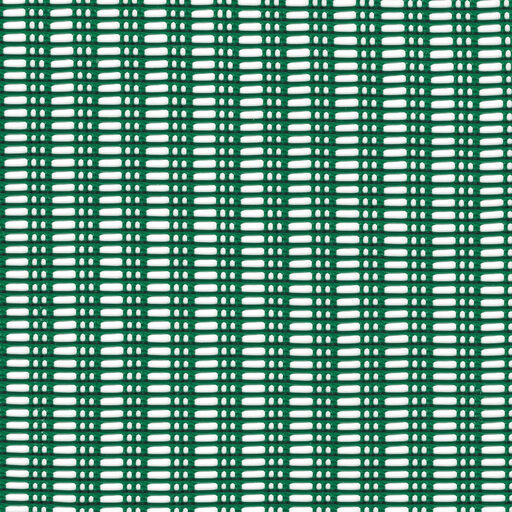
Why This Fits Their Persona: Ideal for those seeking a quick, functional, and affordable solution for a balcony or standard fence. This HDPE net offers a basic level of privacy and wind protection without a major investment.
This product bypasses the pitfall of complex installation. It's lightweight, easy to cut to size with scissors, and can be attached directly with zip ties.
Made from 100% virgin polyethylene and is UV-stabilised to maintain its colour and properties. Functions as a windscreen and decorative screen.
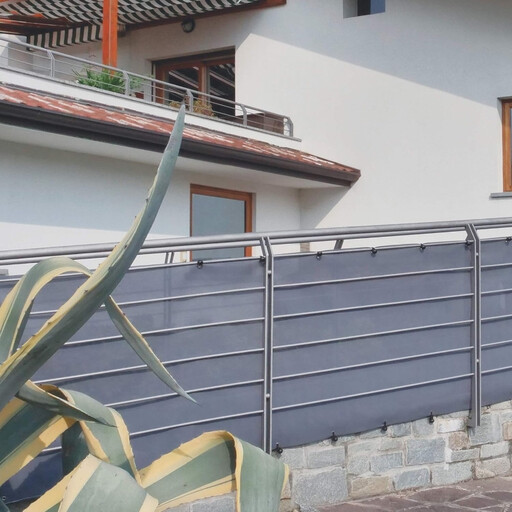
Why This Fits Their Persona: For those looking for a durable and aesthetically pleasing screen. The steel grey colour and textile look complement a modern garden or patio.
This screen tackles the pitfall of rapid deterioration. It's made from heavy-duty Textilene (580 g/m?) and is tear, wind, and sun-resistant for a long lifespan.
Offers excellent privacy and features aluminium eyelets at the top and bottom for quick and sturdy installation. Does not fray when cut to size.
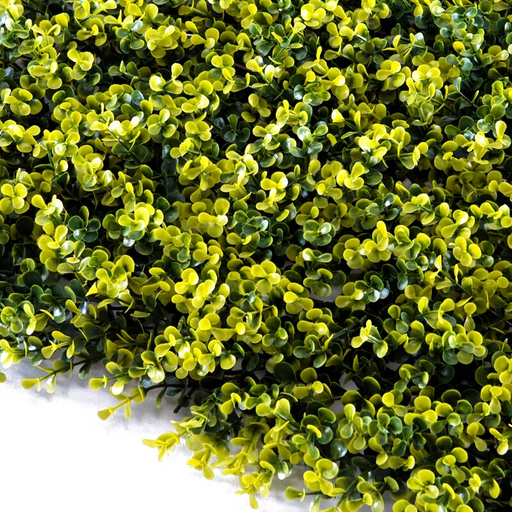
Why This Fits Their Persona: Perfect for those who want to transform a dull wall or fence into a green, maintenance-free oasis. These modular `artificial hedge` panels create a natural and luxurious look.
This product solves the pitfall of a disappointing appearance. The full 3D polyethylene leaves look great from every angle and provide instant, complete, decorative privacy.
The panels are treated against UV radiation and will not discolour. They are maintenance-free, washable with water, and can be modularly linked for both vertical and horizontal applications.
We have compiled a complete, up-to-date list of products that meet strict selection criteria and quality standards. From privacy screens to the perfect decking for your patio.
Most privacy screens and mesh products can be easily attached with zip ties (cable ties) or special fastening wire. Thread the zip ties through the metal eyelets of the screen and pull them tight around the bars or posts of your fence. Ensure there are enough fastening points, especially at the top and bottom, to prevent the screen from flapping in the wind.
The lifespan depends heavily on the material and quality. A cheap, non-UV-stabilised screen can become brittle after just one or two seasons. A high-quality screen made of HDPE, PVC, or Textilene with a good UV treatment can last five years or longer, depending on its exposure to sun and wind.
windscreen is designed to break the wind, not to block it completely. Most screens allow a small percentage of wind to pass through. This is actually an advantage, as it reduces the pressure on the screen and its fastening points, lowering the risk of tearing. A screen that blocks 80-90% of the wind already creates a significantly more comfortable and sheltered space.