
Vandaag of morgen in huis

Kwaliteit gegarandeerd

Welkomstaanbiedingen ontgrendelen: GRATIS bezorging | Tot 80% korting | Gratis 30 dagen JoyPlus-proefperiode
Download de app
Need more privacy on your balcony or less wind in your garden? A quality garden screen seems like a simple solution. However, there are a few pitfalls that can turn a quick purchase into a disappointment. Many screens fade quickly, tear at the first sign of a storm, or barely offer the privacy you were looking for. Before you make a choice, it's wise to know what to look for.
We'll discuss the most common mistakes and help you recognise the right specifications. This way, you'll choose a product that will last not just for this season, but for years to come.
windbreak screen that isn't sturdy enough or lacks sufficient mounting points is a recipe for disaster. Without reinforced edges and strong metal eyelets, the fabric can tear out, forcing you to discard the entire screen.garden mesh with an open structure might look airy, but if your goal is complete privacy, it's a poor purchase. The density of the material determines the level of privacy it provides.To avoid the mistakes above, there are a few technical features you need to check. These determine the durability and functionality of your garden screen.
The material is the foundation of a good screen. The most common options each have their own pros and cons:
privacy screen or fence screen.garden privacy screen or balcony screen with a modern look. Many textilene screens are designed not to fray when you cut them to size.aviary mesh for animals, or as support for climbing plants. It is less suitable for complete privacy.A good material is one thing, but the construction is just as important.
garden privacy screen.fence cover profile.Based on material, construction, and application, we have selected a number of products that suit different needs.
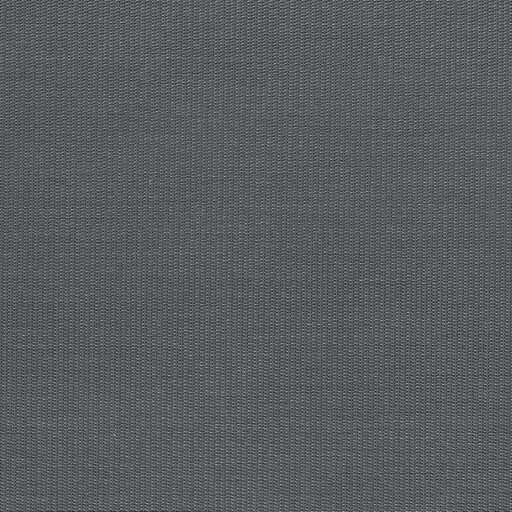
Why This Fits Their Persona: Perfect for those who want to screen a modern balcony with a product that looks sleek and sophisticated. The textilene material provides a premium look that complements contemporary architecture.
Made from UV and tear-resistant textilene (PVC and polyester), so it won't fade quickly and is wind-resistant. The aluminium eyelets ensure reliable mounting to a balcony railing.
High degree of screening; won't fray when cut to size; modern steel-grey colour.
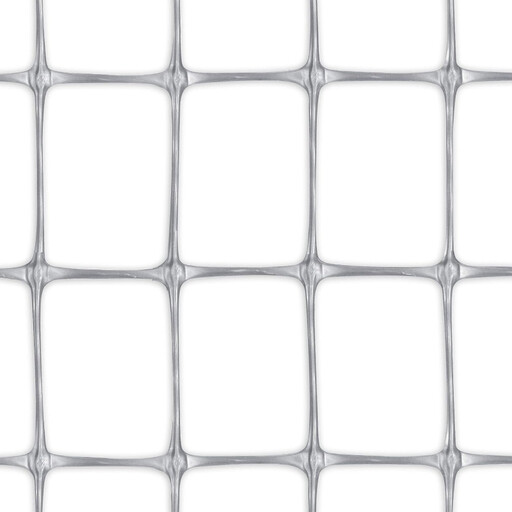
Why This Fits Their Persona: Specifically designed for creating safe enclosures for small animals. This is not a privacy screen, but functional and robust mesh for building an aviary or run.
This product is made for a specific function. It is UV-treated and resistant to chemicals, designed for durability and animal safety, not just to look good.
Lightweight yet robust; specifically designed as aviary mesh; easy to install on wooden structures.
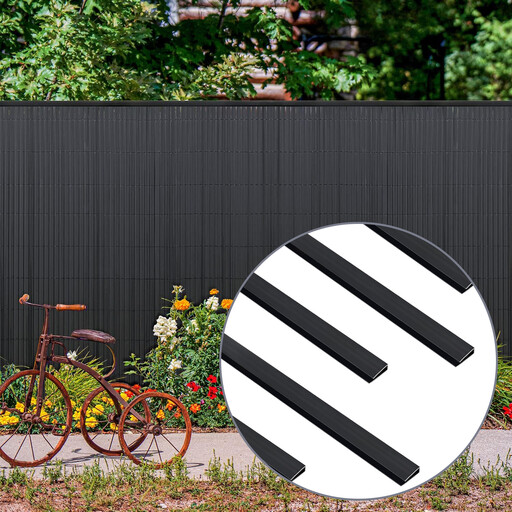
Why This Fits Their Persona: For those who want to neatly finish an existing PVC privacy screen. This cover profile protects the top edge from weather and prevents sagging, ensuring a sleek and durable result.
This product addresses an often-overlooked detail: the finish. It prevents the top of a screen from sagging or getting damaged, which extends the lifespan of the entire installation.
Provides a clean, finished look; protects the top edge of the screen; easy to cut to size and install.
We have compiled a complete, up-to-date list of products that fully meet these strict selection criteria and local regulations.
Most fabrics and screens come with metal eyelets. Use zip ties, sturdy rope, or special mounting clips to attach the fabric to a fence, railing, or posts. Make sure the fabric is pulled taut. This prevents it from flapping in the wind, which can cause wear and tear.
That depends on the material. Products made of Textilene are often woven in such a way that they do not fray after cutting. With screens made of HDPE, this can sometimes happen. Always check the product description for the manufacturer's advice. If a fabric frays, it can help to hem the edge or finish it with a fence cover profile.
The lifespan heavily depends on the quality of the material and the presence of a UV treatment. A high-quality HDPE or textilene screen that has been treated to withstand sunlight can last for several years. Cheaper, untreated versions can become brittle, fade, and tear after just one or two seasons. Investing in a UV-resistant product pays off in the long run.
