
Vandaag of morgen in huis

Kwaliteit gegarandeerd

Welkomstaanbiedingen ontgrendelen: GRATIS bezorging | Tot 80% korting | Gratis 30 dagen JoyPlus-proefperiode
Download de app
Enjoying your garden, balcony, or patio starts with privacy. But the search for the right privacy screen can feel like navigating a maze of materials, sizes, and marketing promises. Many people choose a screen that is faded or torn after just one season. That's a waste of money and effort.
As a Joybuy Product Recommendation Officer, I'm here to help you make the right choices. We'll look beyond the glossy pictures and focus on what really counts. Let's discuss the three most common pitfalls so you can make a purchase you'll enjoy for years to come.
Pitfall 1: The screen fades after one summer. Cheaper screens often lack a UV stabiliser. Without this protection, the sun breaks down the colour pigments and the material itself, causing your beautiful anthracite fabric to quickly turn into a dull grey.
Pitfall 2: It tears in the first storm. A completely opaque privacy screen catches a huge amount of wind. If the material isn't tear-resistant or the mounting eyelets aren't reinforced, a strong gust of wind is all it takes to rip the fabric. A terrace windbreak must be specifically designed to withstand these forces.
Pitfall 3: Choosing the wrong density. An opaque fabric is ideal for complete privacy, but it can also make your garden feel unnecessarily dark and small. A screen with a lower density offers a sense of seclusion while allowing light and air to pass through, which is often more pleasant for a balcony screen.
To avoid the mistakes above, there are a few technical specifications you need to check. These are the factors that determine the durability and functionality of your garden screen.
The material is the foundation of your privacy screen. The three most common options each have their own characteristics:
privacy fabric rolls or fence screening. Quality HDPE is naturally UV-resistant and tear-resistant. Its woven structure typically allows some wind to pass through, which reduces pressure on the fabric and its mounting points.artificial reed mat or for screens that require a high degree of water resistance. It generally offers very high opacity. Pay attention to the quality; cheaper PVC can become brittle over time due to sunlight.A good screen is only as strong as its weakest link. Therefore, pay attention to the finish:
The density, often expressed in grams per square metre (g/m?), gives an indication of the quality and opacity.
terrace windbreak. These fabrics are heavier and require a very sturdy installation.Not everyone needs the same thing. Below are a few options, tailored to different needs and situations.
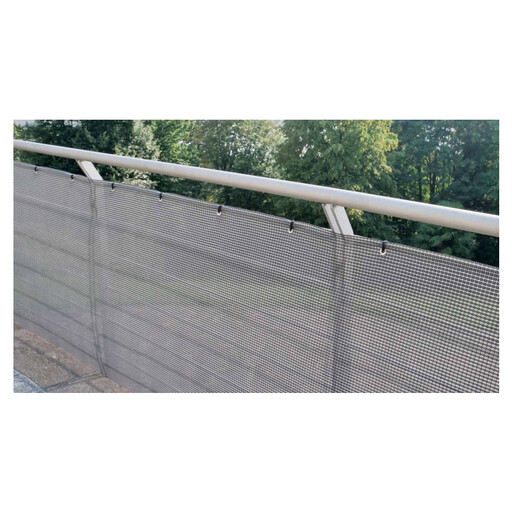
Why This Fits Their Persona: Perfect for those seeking a modern, sophisticated look. This screen is more of a design element than a pure privacy barrier and complements sleek, modern architecture. It creates atmosphere without completely closing off the space.
This screen bypasses the 'wrong density' pitfall. It's intentionally designed with low screening for a decorative effect. The Textilene material is durable and colourfast, preventing it from fading quickly.
Elegant woven texture with black and silver. Tear-resistant and weatherproof material. Easy installation with aluminium eyelets.
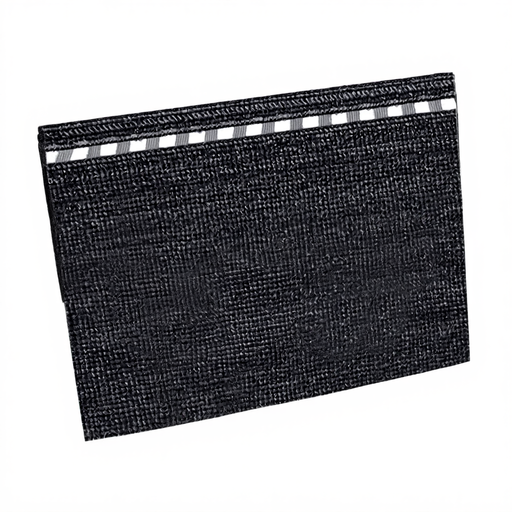
Why This Fits Their Persona: For those seeking maximum privacy and durability. This screen is made for complete seclusion in the garden or on the patio. The 2-metre height is ideal for fences where you want to be completely out of sight.
This screen is made of UV-treated HDPE with a very dense weave (230 g/m?), which prevents fading and tearing. The high density is a deliberate choice for those who don't want to compromise on privacy.
Guarantees complete screening. Highly tear-resistant and colourfast. Equipped with fastening loops for easy installation.
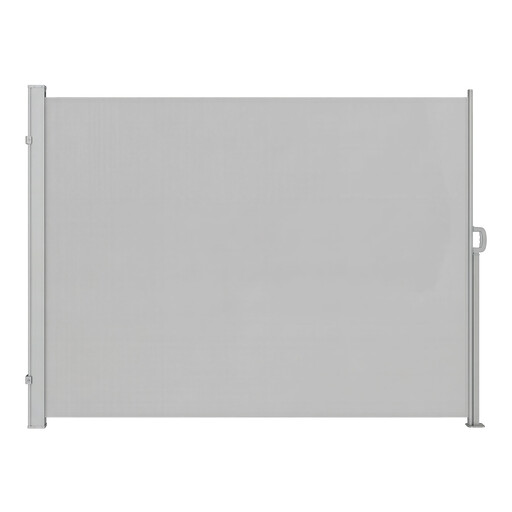
Why This Fits Their Persona: Ideal for those who don't want a permanent screen but need privacy at specific moments. This retractable side awning is perfect for a patio or large balcony. You extend it when you need it and retract it when you want to enjoy the open view.
This system avoids the 'tearing in the wind' pitfall. The instructions are to retract the screen in high winds, which prevents damage. The fabric (220 g/m? polyester with PU coating) is water-repellent and designed for durability.
Flexible and extendable up to 4 metres. Provides both privacy and sun protection (UPF 50+). Sturdy steel frame and smooth spring mechanism.
We've compiled a complete, up-to-date list of products that meet these strict selection criteria.
Most fabric rolls come with metal eyelets in the edges. The easiest way to attach the fabric is with cable ties or special screen clips. Start in a top corner and work along the top edge, pulling the fabric taut. Then, attach the bottom and finally the sides. Make sure the fabric is tight all around to minimise flapping in the wind.
The lifespan depends heavily on the material and weather conditions. A high-quality, UV-stabilised HDPE or Textilene screen can easily last 5 to 10 years. Cheaper, non-UV-treated screens often need to be replaced after just 1 or 2 seasons due to fading and brittleness.
Yes, dark colours like anthracite or black absorb more sunlight and can therefore feel warmer to the touch than light colours like grey or green. However, they also often provide better shade and a higher perceived privacy. If the screen's main purpose is sun protection, a lighter colour might be a cooler choice.
