
Vandaag of morgen in huis

Kwaliteit gegarandeerd

Welkomstaanbiedingen ontgrendelen: GRATIS bezorging | Tot 80% korting | Gratis 30 dagen JoyPlus-proefperiode
Download de app
As soon as the sun comes out, we want to enjoy our garden, patio, or balcony. But prying eyes from neighbours or passers-by can significantly spoil the fun. A garden privacy screen is a practical solution. However, the market is flooded with options, and making the wrong choice leads to frustration and wasted money. Many screens promise more than they deliver. Before you make a decision, it's wise to know what to look for.
As a Joybuy Product Recommendation Officer, I see where things go wrong every day. These are the three most common pitfalls:
garden fabric that discolours, becomes brittle, or tears after a few months of sun and rain. This is often due to the lack of a proper UV coating, a detail rarely highlighted in marketing materials.garden screen only to discover it has no mounting points, or that the material frays immediately when cut to size. This makes a simple job unnecessarily complex.To avoid these problems, it's helpful to check two key specifications. These determine the quality and lifespan of your garden partition far more than marketing promises.
The material is the foundation of your privacy screen. Most screens fall into two categories:
privacy cloth, windbreak, or shade cloth. It is naturally resistant to weather conditions. The most important indicator for the quality of an HDPE garden fabric is its density, expressed in grams per square metre (g/m?). A 90 g/m? fabric is relatively light and offers less visual coverage than a fabric of 180 g/m? or more. A higher weight typically means a stronger, more durable, and more opaque sight-blocking net.A privacy screen is constantly exposed to the outdoors. Without protection from the sun, UV radiation will break down the material.
balcony screens and garden fabrics are equipped with metal eyelets (grommets) every few centimetres. This allows you to securely fasten the fabric with tie-wraps or cord. For those seeking flexibility, a retractable side awning or roll-up privacy screen is an excellent solution. These are complete systems that you can open and close as desired.Based on these objective criteria, we have selected several products that suit different needs and situations.
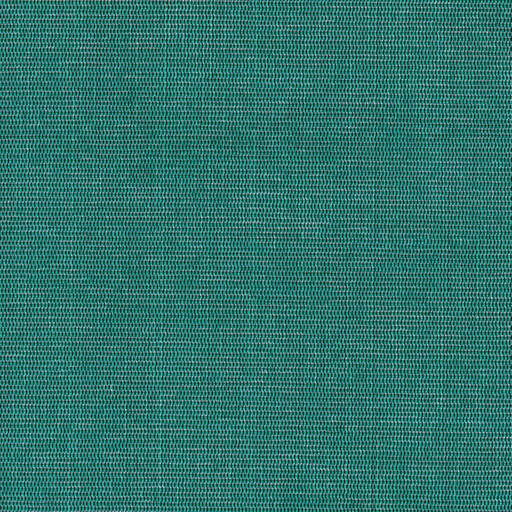
Why This Fits Their Persona: Ideal for those looking for a quick, functional, and affordable solution for a standard fence or balcony. The classic green colour fits into almost any garden.
With a weight of 180 g/m?, this HDPE fabric offers good opacity, helping you avoid the pitfall of a screen that is too transparent.
Made from tear-resistant polyethylene that retains its colour and structure. Easy to clean with water.
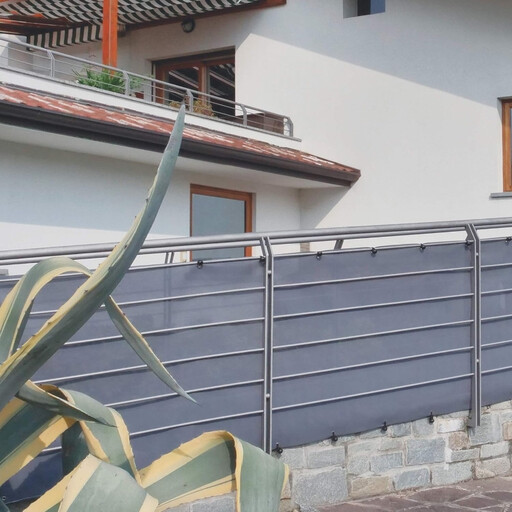
Why This Fits Their Persona: For those who want to combine privacy with aesthetics. The steel grey colour and woven textilene structure provide a modern and sophisticated look for a balcony or patio.
This screen is equipped with aluminium eyelets for quick and sturdy installation. The material is also sun- and tear-resistant, which prevents premature wear.
Very high density of 580 g/m? for excellent privacy. The textilene (PVC and polyester) does not fray and can be easily cut to size.
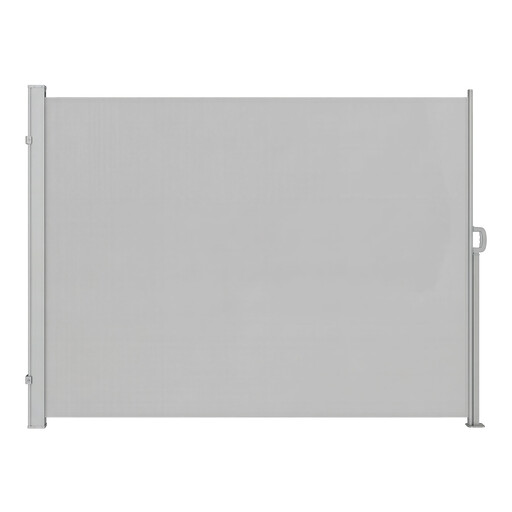
Why This Fits Their Persona: Perfect for those who want privacy or wind protection on demand. This retractable side awning is ideal for screening off a corner of the patio and can be easily rolled up when not needed.
This is a complete system with a steel frame and a smooth spring mechanism. No fuss with separate fabrics and mounting materials; the installation is integrated and straightforward.
The 220 g/m? polyester fabric with a PU coating is water-repellent and opaque. According to the manufacturer, it offers UPF 50+ sun protection.
We have compiled a complete, up-to-date list of products that meet these strict selection criteria and local regulations.
Most privacy fabrics and balcony screens are equipped with metal eyelets along the edges. You can easily attach them to a fence, railing, or balcony balustrade using tie-wraps, special mounting clips, or elastic cord. Ensure the fabric is pulled taut to prevent it from flapping in the wind, which can shorten its lifespan.
The lifespan of an HDPE garden fabric depends heavily on its quality, particularly the UV treatment. A high-quality fabric with an effective UV coating can last for several years. Cheaper versions without this protection can become brittle and discolour after just one or two seasons. Pay attention to the manufacturer's product information; mentions like "UV-stabilised" or a warranty on colour fastness are good indicators.
Not always. The degree of opacity, or visual blockage, is determined by the material's density (g/m?), the weaving technique, and the colour. Generally, the higher the g/m? number and the darker the colour, the less you can see through it. A fabric of 200 g/m? or more typically offers a very high level of privacy. Some screens, like certain decorative windbreak nets, are intentionally designed to be partially transparent. Therefore, read the product description carefully to see what level of coverage you can expect.
