
Vandaag of morgen in huis

Kwaliteit gegarandeerd

Welkomstaanbiedingen ontgrendelen: GRATIS bezorging | Tot 80% korting | Gratis 30 dagen JoyPlus-proefperiode
Download de app
A garden or balcony privacy screen seems like a simple purchase. You want more privacy, less wind, or shelter from the harsh sun. However, there are pitfalls that lead many people to buy a product that is faded, torn, or sagging after just one season. As a Joybuy Product Recommendation Officer, I see where things often go wrong. Before you make a choice, it's wise to be aware of the most common mistakes.
The wrong purchase not only leads to wasted money but also the frustration of having to reinstall it. Here are the three main points to consider to prevent your new garden screen from becoming a disappointment:
windscreen can put too much pressure on your fence or balcony railing during a strong gust of wind, resulting in damage.Proper preparation will help you choose a garden privacy screen that will last for years and perform its function well.
You don't need to be a materials expert to make the right choice. Pay attention to the following three concrete specifications. These determine the quality and lifespan of your garden partition.
The material is the foundation of your privacy screen. The two most common options are HDPE and Textilene.
garden screen made of HDPE is treated with a UV stabiliser, which is crucial to prevent discolouration and degradation from sunlight. It is often the most functional and cost-effective choice for an effective fence screen.The density, often expressed in grams per square metre (g/m?), tells you a lot about the level of privacy and robustness.
Consider how and where you want to use the screen. The choice between a fixed screen and a flexible system is crucial for ease of use.
Based on these criteria, we have selected a number of products that suit different needs and situations.
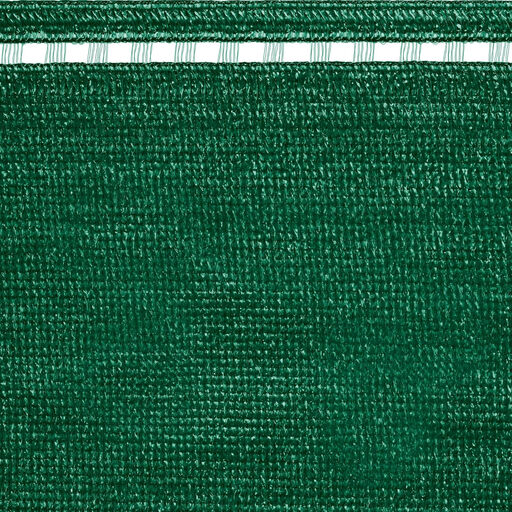
Why This Fits Their Persona: Ideal for those looking for a quick, functional, and affordable solution to immediately make a standard fence or balcony railing private. No fuss, just an effective screen.
This screen is made of 100% HDPE and is treated against UV radiation, helping it retain its colour and strength. The loops at the top and bottom prevent sagging.
Dense weave structure for complete screening. Equipped with mounting loops for easy installation.
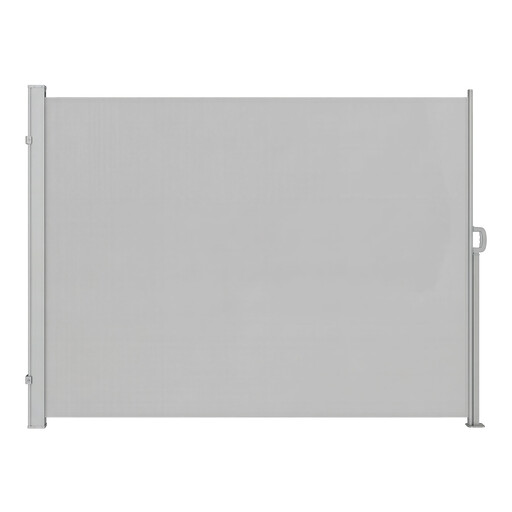
Why This Fits Their Persona: Perfect for those who want privacy on demand. This retractable privacy screen creates a sheltered corner on the patio and can be easily retracted when not needed.
The fabric is made of 220 g/m? polyester with a PU coating, making it water-repellent and opaque. The robust steel frame and spring mechanism ensure a taut and stable screen.
Flexible in use (retractable). Offers UPF 50+ sun protection, according to the manufacturer.
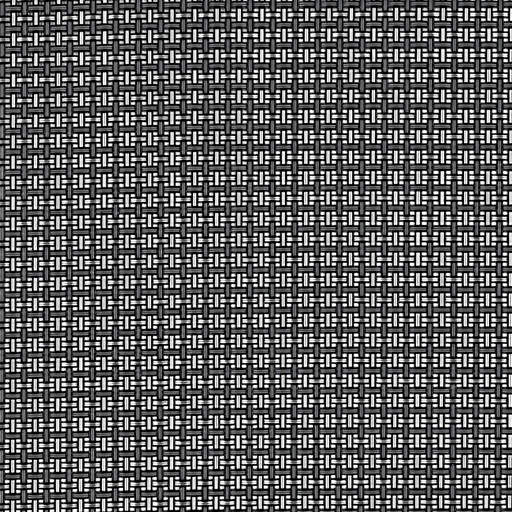
Why This Fits Their Persona: For those seeking a partition that is not only functional but also has a modern and sophisticated look. This screen is more of a design element than a purely functional fabric.
Made of Textilene (polyester and PVC), a tear-resistant and weatherproof material. The aluminium eyelets at the top and bottom ensure a taut, durable installation.
Highly decorative and elegant effect due to the woven structure. It doesn't fray and is easy to cut to size.
We have compiled a complete, real-time list of products that fully satisfy these strict selection criteria and UK safety regulations.
This depends heavily on the density of the fabric and the quality of the installation. A high-density screen (e.g., 230 g/m?) will catch a lot of wind. Ensure the screen is securely attached to a solid fence or wall, with anchor points every 50 cm. During stormy weather, and especially with retractable screens, it is recommended to roll up or temporarily remove the screen to prevent damage.
Most screens on a roll come with metal eyelets or reinforced loops. The easiest way to attach them is with tie-wraps (cable ties) or special fastening wire. Pull the fabric taut as you attach it to prevent sagging. Start in one corner and work systematically along the edges. For a retractable privacy screen, follow the included assembly instructions for the cassette and the end post.
HDPE is a functional and often more cost-effective plastic that offers excellent privacy, provided it has a high density and a UV coating. It has a matte, uniform appearance. Textilene is a woven blend of PVC and polyester, resulting in a more textile-like, decorative look. It is typically very tear-resistant and is often chosen for its aesthetic value.
