
Vandaag of morgen in huis

Kwaliteit gegarandeerd

Welkomstaanbiedingen ontgrendelen: GRATIS bezorging | Tot 80% korting | Gratis 30 dagen JoyPlus-proefperiode
Download de app
A privacy screen in the garden or on the balcony is not a luxury, but a necessity for anyone who wants to enjoy their outdoor space in peace. Whether you want to block prying eyes, break the harsh wind, or create a cozy shaded spot, a good privacy screen is the solution. However, the market is flooded with options, and a wrong choice often leads to disappointment and unnecessary costs. As a Joybuy Product Recommendation Officer, I see where things go wrong every day. Here are the most common pitfalls and how to avoid them.
Before you invest in a garden screen, it's crucial to know what to look for. Many products look great online but fail after just one season.
privacy screen that loses its color after a few months in the sun and looks faded. This is almost always caused by the lack of proper UV stabilization. Cheap materials become brittle from the sun, discolor, and can even tear.windscreen itself. Wind permeability is a factor that is often overlooked.fence screen without sturdy grommets or with insufficient mounting points is a recipe for a sloppy and sagging result. A proper installation is just as important as the screen itself.To avoid a bad purchase, focus on a few objective specifications. These determine the durability and functionality of your garden privacy screen.
The material is the most important factor for longevity. Most high-quality screens fall into two categories:
HDPE garden screen or shade cloth. It is naturally weather-resistant. Look for the UV-stabilized designation, which means the manufacturer has added additives to prevent discoloration and degradation from sunlight. The weight, expressed in grams per square meter (g/m?), gives an indication of the density and sturdiness. A higher number (e.g., 180 g/m? or more) often indicates a denser and more durable structure.balcony screen made of textilene, such as an anthracite privacy screen, can be a stylish yet functional addition.Your use case determines which type is most convenient.
Privacy screen on a roll: Ideal for covering long stretches of fencing. You can cut it to the desired length yourself. This is a cost-effective solution for large areas.Retractable side awning: This is a cassette that you mount on the wall, from which you can pull out a screen. Perfect for a patio or balcony where you desire flexibility. You extend it for privacy and wind protection and retract it when not needed.Always check the finish of the edges. A garden screen should be equipped with metal grommets (usually aluminum) along the edges. These allow for a tight and sturdy installation with zip ties, rope, or special clips. A hemmed or reinforced edge prevents tearing at the mounting points, which is essential for a garden windscreen.
Based on these objective criteria, we have selected a number of products that suit different needs and situations.
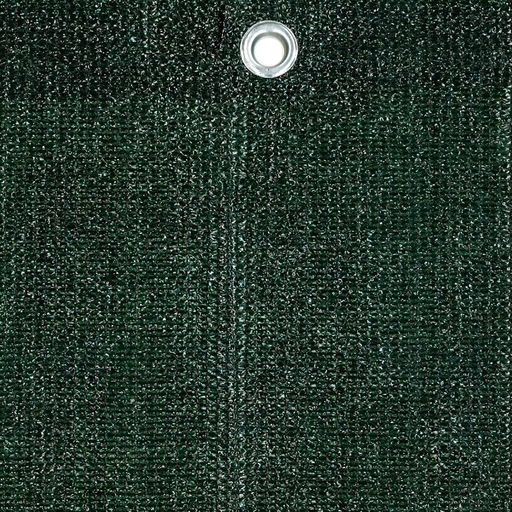
Why This Fits Their Persona: Ideal for those seeking a functional and affordable solution for a standard garden fence or balcony. A no-frills, effective privacy screen that does what it's supposed to do: provide privacy.
This screen is made of UV-stabilized polyethylene, which prevents discoloration and brittleness. The aluminum grommets along the edges allow for a sturdy and simple installation, preventing installation frustration.
Tear-resistant and woven to prevent fraying. In addition to privacy, it also offers good wind protection. A reliable entry-level choice.
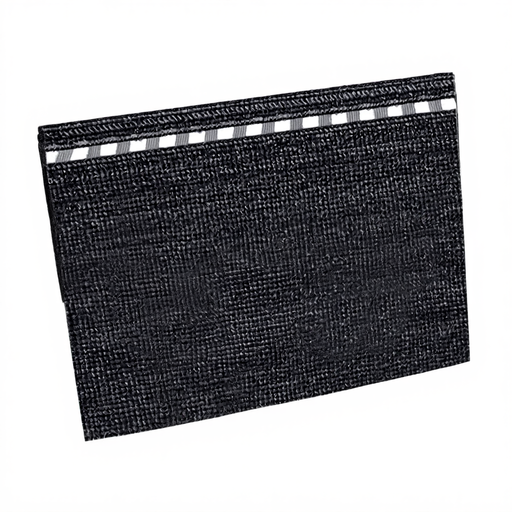
Why This Fits Their Persona: For those who want a modern look without compromising on quality. The anthracite grey color and compact weave provide a premium and sleek look for a balcony or garden.
This screen has a very compact weave, ensuring high tear resistance and complete opacity. According to the manufacturer TENAX, the color is durable and the screen is equipped with grommets for a sturdy installation.
Offers complete coverage and an aesthetically pleasing result. Its high density makes it very robust and wind-resistant, provided it is properly secured.
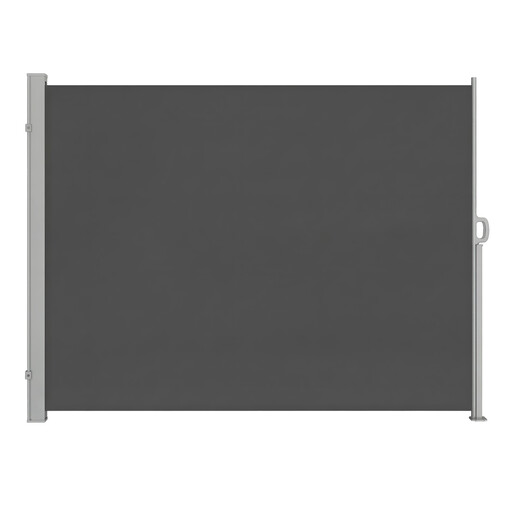
Why This Fits Their Persona: Perfect for those who want privacy and wind protection on demand. This retractable side awning instantly creates a sheltered corner on the patio and is just as quickly stored away.
The 'sail effect' is completely avoided here, as you can easily retract the screen in high winds. The fabric (220 g/m? polyester with PU coating) is water-repellent and, according to the manufacturer, offers UPF 50+ sun protection.
Maximum flexibility. The steel frame and ground bracket ensure stability during use. Installation is relatively straightforward with the included kit.
We've compiled a complete, up-to-date list of products that fully meet these strict selection criteria and local regulations.
For optimal wind resistance, use all available grommets. Use sturdy zip ties or special mounting clips and pull the screen taut. Ensure that the posts or fence to which you attach the screen are strong enough. For locations with high winds, a screen with a slightly more open weave can be a wise choice to let some of the wind pass through.
The lifespan depends heavily on the quality. A cheap, non-UV-stabilized screen can become brittle after just one or two seasons. A high-quality HDPE garden screen with a proven UV treatment can last 5 to 10 years. Some manufacturers, like TENAX, provide a multi-year warranty on colorfastness, which is a good indicator of quality.
Yes, most woven HDPE and textilene screens can be cut to size without immediately fraying. Look for terms like "fray-resistant" in the product description. Use sharp scissors or a utility knife for a clean cut. For some materials, it may be wise to briefly heat the cut edge with a lighter to seal the fibers and completely prevent fraying in the long term.
