
Vandaag of morgen in huis

Kwaliteit gegarandeerd

Welkomstaanbiedingen ontgrendelen: GRATIS bezorging | Tot 80% korting | Gratis 30 dagen JoyPlus-proefperiode
Download de app
A garden or balcony is a wonderful retreat, but without privacy, it's hard to fully relax. A good privacy screen can be the solution. However, the market offers an overwhelming number of choices, and not every option is worth the investment. Many screens look great online but prove to be a disappointment in practice. Before you make a purchase, it's wise to know where the pitfalls lie.
Common problems include:
windscreen garden.To avoid a costly mistake, it's essential to check three core specifications. These determine the durability, functionality, and ease of installation of your garden screen.
The material is the foundation of your privacy screen. The most common options each have their own characteristics:
privacy fabric or fence screen. It is naturally strong, lightweight, and water-repellent. Look specifically for the term UV-stabilised. This means that additives have been incorporated into the plastic to protect it from degradation by sunlight, thereby preserving its colour and strength.The density of the fabric, expressed in grams per square meter (g/m?), is a reliable indicator of its quality and opacity. A higher number generally means a more densely woven and sturdier material.
privacy screen roll?How you mount the screen determines how taut and neat the final result will be.
balcony screen.privacy screen roll without grommets or loops gives you the freedom to cut it to size yourself, but it requires more work during installation. You will need to make your own holes or clamp the fabric in place.Not everyone has the same needs. Below are some recommendations tailored to specific user profiles.
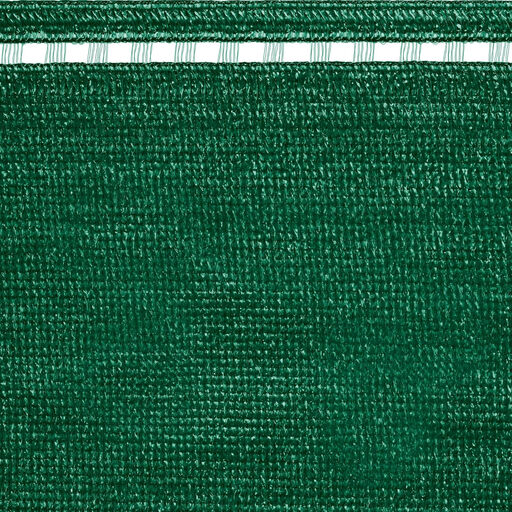
Why This Fits Their Persona: Perfect for a standard balcony or a small section of a garden. A no-fuss solution that provides instant privacy without a large investment. The 1.5 x 5 meter size is ideal for most railings.
Made from UV-stabilised HDPE, which prevents rapid discolouration and weathering. The built-in grommets along the edges make installation simple and secure, unlike screens you have to perforate yourself.
According to the manufacturer, the dense weave provides complete protection. The grommets ensure a quick and taut installation.
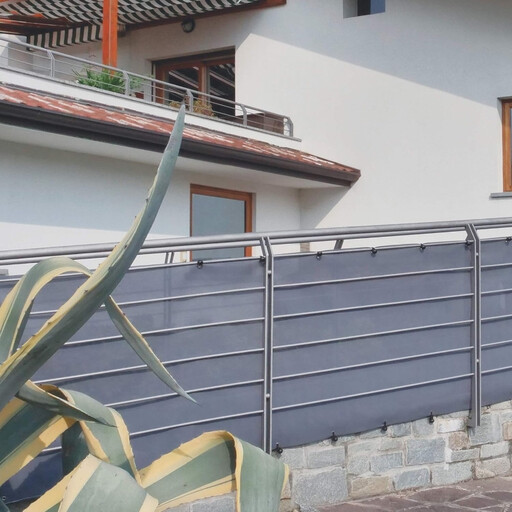
Why This Fits Their Persona: For those seeking a durable and aesthetically pleasing solution that complements a modern garden design. The steel grey colour and textile look provide a premium appearance.
The heavy-duty Textilene material (580 g/m?) is highly tear- and wind-resistant. According to the manufacturer, it doesn't fray when cut to size, which guarantees a clean finish and avoids the problem of a messy installation.
According to the product description, it offers excellent privacy. The aluminium grommets and weather-resistant material ensure a durable, low-maintenance solution.
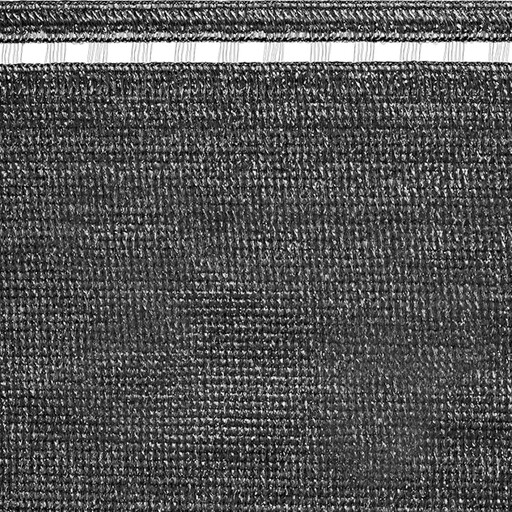
Why This Fits Their Persona: Ideal for screening a long fence or multiple balconies. A single large privacy screen roll is more efficient and often more cost-effective for large projects.
The 50-meter roll ensures a seamless finish without unsightly gaps. The dense weave (230 g/m?) provides instant, complete privacy and is much sturdier than standard shade nets that are easily seen through.
UV-resistant HDPE in a modern anthracite colour. The loops along the edges allow for quick and taut installation over long distances.
We have compiled a complete, up-to-date list of products that meet these strict selection criteria and UK regulations.
Most screens with grommets or loops can be easily attached using cable ties, special mounting wire, or bungee cords. Make sure to pull the fabric taut for a neat finish and to prevent wind from getting underneath it. Secure the screen at multiple points, ideally every 30-50 cm, at both the top and bottom.
This depends on the material. Screens made of Textilene and some densely woven HDPE fabrics can often be cut with sharp scissors without fraying. With other materials, it may be necessary to hem or melt the edge to prevent fraying. Always check the manufacturer's product information.
UV resistance means that additives have been added to the material that slow down the damaging effects of the sun's ultraviolet radiation. This prevents the plastic from becoming brittle, discolouring, or losing its strength. For a product that is permanently outdoors in the UK climate, this is a crucial feature for a long lifespan.
