
Vandaag of morgen in huis

Kwaliteit gegarandeerd

Welkomstaanbiedingen ontgrendelen: GRATIS bezorging | Tot 80% korting | Gratis 30 dagen JoyPlus-proefperiode
Download de app
Enjoying your garden or balcony without prying eyes is a common desire. A garden privacy screen might seem like a quick fix, but the market is flooded with options that look great online yet disappoint in reality. Before you invest in more privacy, it's wise to understand the potential pitfalls. Many screens can't withstand harsh weather or fail to provide the level of privacy you're looking for.
As a Joybuy Product Recommendation Officer, I'm here to help you make the right choice. We'll look past the marketing jargon and focus on what truly matters. Here are the most common mistakes and how to avoid them.
privacy fabric can tear after a single storm or fade completely after just one summer in the sun.windbreak screen balances privacy with wind permeability.privacy screen on a roll without reinforced edges or enough mounting eyelets is a recipe for frustration. The fabric will sag, hang crookedly, and never achieve the taut, polished finish you envisioned.To avoid a bad buy, it's crucial to check three technical aspects. These determine the durability and functionality of your garden partition.
The material is the foundation of your privacy screen. Each type has its own pros and cons.
fence screen or fence covering. It is inherently UV-resistant and tear-proof. The density, expressed in grams per square metre (g/m?), is a good indicator of its sturdiness. A higher number usually means a more robust fabric.synthetic reed mat. PVC is completely waterproof and opaque, offering maximum privacy. It is maintenance-free and won't rot or grow mould, unlike natural reed.anthracite garden screen made of Textilene is a popular choice for a sleek, contemporary look on a balcony privacy screen.A screen that fades from green to a dull yellow after one season is a waste of money. Check if the product has been treated with UV stabilisers. This additive protects the material from degradation by sunlight, helping it retain its colour longer and preventing the plastic from becoming brittle. According to manufacturer Tenax, this ensures a longer colour lifespan.
The way you install the privacy screen is crucial for its longevity. A quality screen has reinforced, hemmed edges that prevent the fabric from tearing. Metal (often aluminium) eyelets, placed at regular intervals along the edges, allow for a secure and taut installation with zip ties or wire. This is essential, especially for a balcony screen that catches a lot of wind.
Not everyone has the same needs. That's why we've matched several products to specific user profiles, based on their objective specifications.
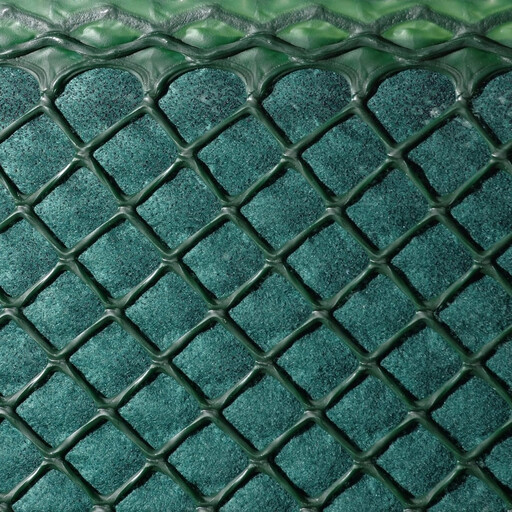
Why This Fits Their Persona: Ideal for those seeking a quick, effective, and affordable solution. This screen combines functionality with simple installation for instant privacy in the garden or on the patio.
The combination of a polyethylene mesh with a non-woven polypropylene fabric makes it more robust than the cheapest, paper-thin screens. It is designed for complete concealment.
Offers a high degree of opacity for maximum privacy. Installation is straightforward: unroll and attach along the fence.
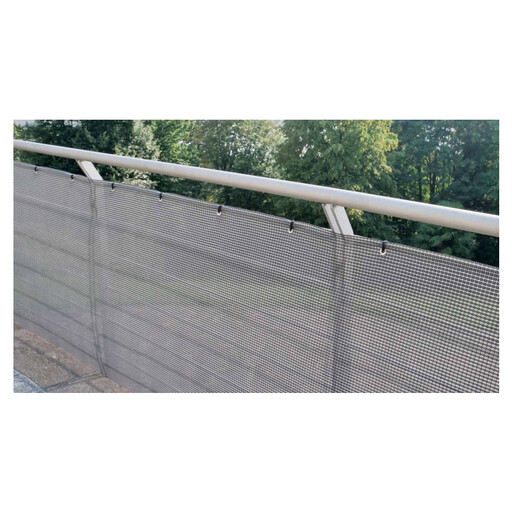
Why This Fits Their Persona: For those who see a privacy screen as a design element. This screen is intended to enhance a balcony or patio with a modern, sophisticated look that complements contemporary architecture.
This screen avoids the 'cheap plastic look'. Its textile design with finely woven textures in black and silver provides a high-end appearance, rather than a purely functional barrier.
High aesthetic impact due to its innovative textile design. It provides an elegant screen that enhances the outdoor space instead of just closing it off.
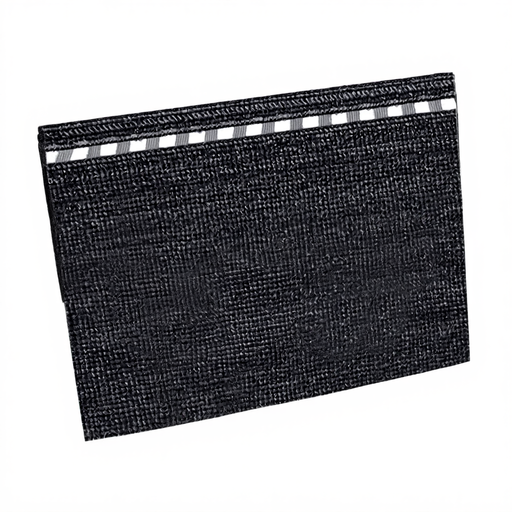
Why This Fits Their Persona: Suitable for those living in a windy area or who simply want a screen that will last for years. The focus is on maximum tear resistance and robustness for long-term use.
This screen addresses the pitfall of wind sensitivity. According to the manufacturer, its tear resistance is significantly higher than standard shade nets, thanks to its very dense weave and high weight.
Very high tear resistance and a dense, uniform weave. The eyelets on the edges facilitate a sturdy installation, which is essential for wind protection.
We have compiled a complete, up-to-date list of products that fully meet these strict selection criteria and local safety regulations.
Start by securely fastening one corner. Then, unroll the fabric tightly along the fence or railing and secure it every 30-50 cm with zip ties or binding wire through the metal eyelets. Work from top to bottom, ensuring the fabric is evenly tensioned everywhere to prevent sagging.
The lifespan heavily depends on the material and its exposure to sun and wind. A high-quality HDPE or PVC screen with UV protection can last 5 to 10 years. Cheaper, thinner versions often need to be replaced after just 1 or 2 seasons. Regular inspection for tears, especially after a storm, can extend its life.
This depends on the material. Textilene screens and some HDPE fabrics are woven in a way that prevents fraying, allowing them to be cut to size with a sturdy pair of scissors. Always check the product description. For example, Tenax often states that its Texstyle products can be cut without unravelling. For PVC reed mats, you may need more robust tools.
