
Vandaag of morgen in huis

Kwaliteit gegarandeerd

Welkomstaanbiedingen ontgrendelen: GRATIS bezorging | Tot 80% korting | Gratis 30 dagen JoyPlus-proefperiode
Download de app
A privacy screen for your garden or balcony seems like a simple purchase. Yet, many people end up with a product that discolours after one season, tears at the first sign of a storm, or barely offers any privacy. The market is flooded with screens that look fine at first glance but have hidden defects. Before you invest in more privacy, it's wise to know what to look for.
As a Joybuy Product Recommendation Officer, I see which products are returned daily and why. The most common disappointments can be traced back to three specific pitfalls:
To avoid wasting money, there are a few technical specifications you should always check. These determine the lifespan and functionality of your garden screen, balcony screen, or windbreak.
Not all materials are created equal. The choice determines durability, appearance, and the level of maintenance required.
privacy fence screen. It is naturally strong, lightweight, and water-repellent. Look specifically for the term 100% virgin HDPE, which means no recycled, weaker plastic has been used. Good UV stabilisation is essential here for colour retention and strength.balcony screen due to its modern, textile-like appearance. It is tear-resistant, weather-resistant, and often easy to cut to size without fraying.A higher weight per square meter (g/m?) usually indicates a more densely woven and therefore more opaque privacy fabric.
shade cloth or decorative element. Suitable if you still want to see some of your surroundings.balcony windbreak. These screens are sturdier and more resistant to strong winds, provided they are properly secured.The edges are the weakest point of a garden screen. A reinforced hem (a double-folded and stitched edge) prevents the fabric from tearing. Metal (usually aluminium) grommets are essential for a durable installation. They do not rust and provide a solid anchor point for zip ties or rope. Check that the grommets are placed at regular intervals (ideally every 50 cm) for an even distribution of tension.
Based on these criteria, we have selected a number of products that suit different user profiles.
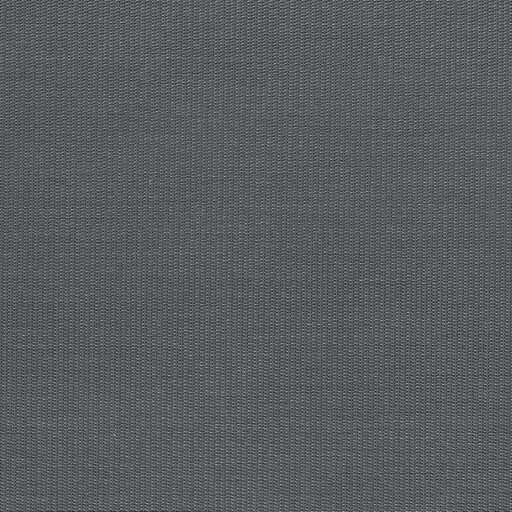
Why This Fits Their Persona: The 1-metre height is ideal for a standard balcony railing. The woven textilene material has a modern look that is also attractive up close. The aluminium grommets allow for quick and sturdy installation without any hassle.
Made from UV-resistant textilene (PVC and polyester), so it won't weather quickly. The high density provides genuine privacy, and the aluminium grommets prevent tearing at the mounting points.
Tear, wind, and sun resistant. Can be cut to size with scissors without fraying.
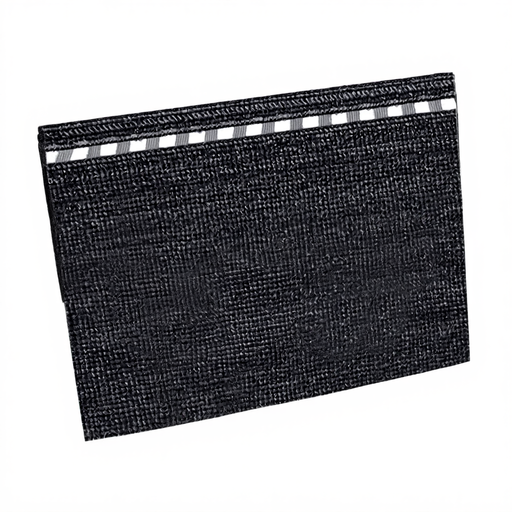
Why This Fits Their Persona: With a height of 2 metres, this screen is ideal for completely screening off a garden along a standard fence. The manufacturer, Tenax, states that it has a very compact weave and high tear resistance, which is essential for those seeking maximum privacy and wind protection.
This screen is designed for "total coverage," which bypasses the pitfall of false privacy promises. The claim of "high tear resistance" and "long-lasting colour" directly addresses durability issues. The grommets on the edges ensure a reliable installation.
Offers complete coverage and shade. Very compact and aesthetic design, according to the manufacturer.
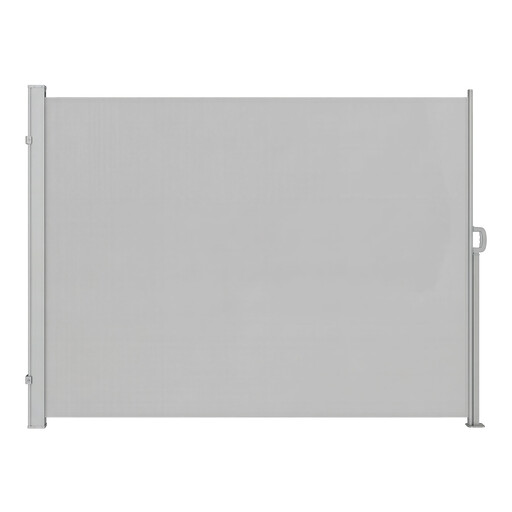
Why This Fits Their Persona: This retractable side awning provides privacy and shelter exactly when needed. It's ideal for a patio where a permanent screen would block too much light. You can easily extend it to create a cosy, sheltered corner and retract it when you want to enjoy the open space.
The construction with a steel frame and a 220 g/m? polyester fabric with a PU coating addresses durability. While not intended for storms, it is a robust solution for daily use. The installation is a one-time setup, after which its use is completely flexible.
Flexible, on-demand privacy. Water-repellent and opaque fabric with UPF 50+ protection.
We have compiled a complete, up-to-date list of products that fully meet these strict selection criteria and local regulations.
For a sturdy installation of a privacy fence screen, use zip ties, special clips, or strong rope. Thread them through the metal grommets and attach them to the fence. Ensure the fabric is pulled taut to minimise flapping in the wind. For the best stability, secure the screen every 30 to 50 centimetres on the top, bottom, and sides.
This depends on the material. Many modern fabrics, such as those made of textilene or high-quality HDPE, are woven in a way that prevents them from fraying when cut. You can therefore cut them to size with a sturdy pair of scissors. Always check the product description to be sure. This is often more difficult with plastic mats, such as synthetic reed.
Wind resistance is determined by the material's tear strength and the quality of the installation. A densely woven privacy fabric with reinforced hems and aluminium grommets, when installed correctly and tautly, can withstand significant wind force. Flexible solutions like a retractable side awning are more vulnerable and should be retracted during strong winds or storms, according to the manufacturer's instructions, to prevent damage.
