
Vandaag of morgen in huis

Kwaliteit gegarandeerd

Welkomstaanbiedingen ontgrendelen: GRATIS bezorging | Tot 80% korting | Gratis 30 dagen JoyPlus-proefperiode
Download de app
For most people, enjoying your garden or balcony also means enjoying your privacy. But the search for a good garden privacy screen can be surprisingly tricky. The selection is vast, and not every product delivers on its promise. Before you invest in a solution that needs replacing after just one stormy autumn, it's wise to consider a few common pitfalls.
Many people choose based on photos and price, only to discover their purchase can't withstand the elements, offers little privacy, or is a nightmare to install. Here are the three mistakes you'll want to avoid:
To avoid buyer's remorse, it helps to understand a few technical specifications. These determine the durability and functionality of your garden privacy enclosure.
The material is the foundation of your privacy screen. The most common options each have their own characteristics:
garden privacy fabric or fence screen. It is naturally lightweight, strong, and highly resistant to moisture. A key advantage is that it is often UV-stabilised, which means, according to the manufacturer, the material retains its colour and structure longer when exposed to sunlight.balcony windbreak because it allows some wind to pass through while breaking its force. These screens are usually equipped with metal eyelets, which simplifies installation.Two factors determine how opaque and durable your screen is:
Accurately measure the area you want to screen before ordering anything. Also, check how you will mount the screen. Products with built-in aluminum eyelets along the edges are considerably easier to install with zip ties, rope, or hooks. This ensures a taut and sturdy result that is more resistant to wind.
Based on these criteria, we have selected a number of products that suit different situations and preferences.
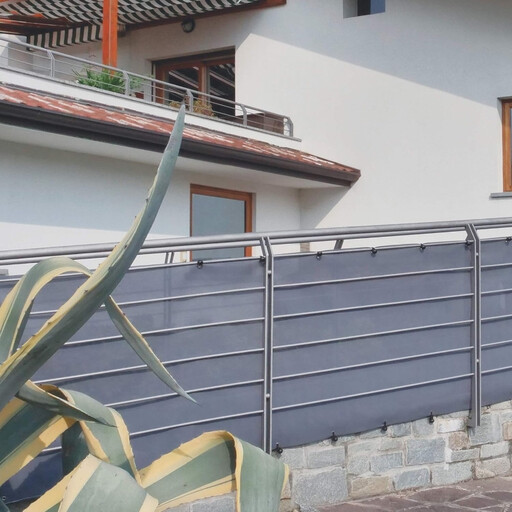
Why This Fits Their Persona: Ideal for those seeking a functional and modern balcony screen. This screen combines privacy with the function of a windbreak, and the steel grey colour complements a sleek, urban style.
The built-in aluminum eyelets along the edges put an end to installation frustration. You can easily stretch the fabric taut on a balcony railing.
Made of Textilene (PVC and polyester) with a weight of 580 g/m?, ensuring a high degree of privacy and durability. According to the manufacturer, it is tear, wind, and sun-resistant.
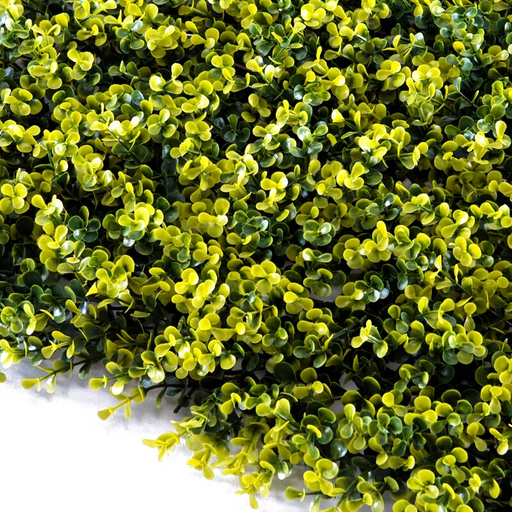
Why This Fits Their Persona: For those who want to create privacy without sacrificing a green aesthetic. These panels look like a real boxwood hedge and provide 100% privacy instantly. Perfect for decoratively concealing an unsightly wall or a section of the garden.
This product completely solves the problem of insufficient opacity. The full 3D leaves provide complete privacy from every angle. No guesswork about density.
Made of polyethylene and, according to the manufacturer, treated against UV rays to prevent discolouration. The panels are modular and can be used both horizontally and vertically.
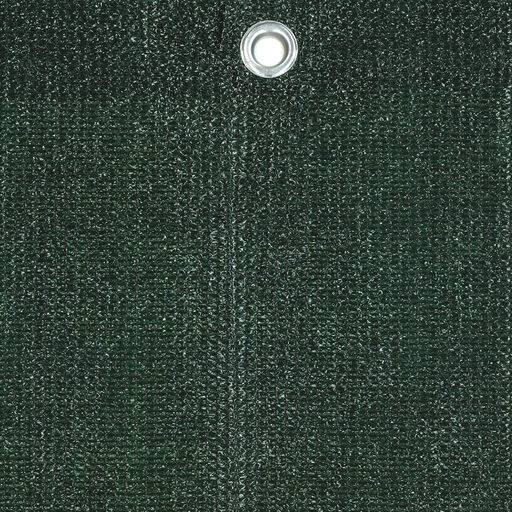
Why This Fits Their Persona: A no-nonsense solution for those who want to screen a long fence or a large part of the garden without spending a fortune. This woven net offers a good balance between price, privacy, and wind reduction.
This HDPE net is, according to the manufacturer, UV-stabilised, which reduces the risk of rapid weathering and discolouration. The aluminum eyelets make mounting it to an existing fence practical and affordable.
The dense and compact weave offers a high degree of screening. The material is fray-proof and tear-resistant, making it a durable choice for its price range.
We have compiled a complete, up-to-date list of products that meet these selection criteria and current regulations.
To prevent your screen from coming loose or tearing, a sturdy attachment is crucial. Use all available mounting eyelets. Attach the fabric to the posts or railing with heavy-duty zip ties or elastic cords. Ensure the screen is pulled taut, but not overly so, to prevent tearing at the eyelets. Check the tension after a few weeks and re-tighten if necessary.
The lifespan depends heavily on the material and exposure to the elements. A high-quality HDPE or Textilene screen with good UV protection can typically last for several years (3 to 5+). Cheaper, untreated versions can become brittle and lose their colour after just one or two seasons.
This is possible with many screens. Products made of woven HDPE or Textilene are often designed not to fray when cut. The product description usually states whether the material is "fray-proof" or can be cut to size with scissors. Always check this beforehand to avoid damaging the fabric.
