
Vandaag of morgen in huis

Kwaliteit gegarandeerd

Welkomstaanbiedingen ontgrendelen: GRATIS bezorging | Tot 80% korting | Gratis 30 dagen JoyPlus-proefperiode
Download de app
A privacy screen for your garden or balcony might seem like a simple purchase. You want more privacy, less wind, or some shade. However, there are pitfalls that lead many people to buy a product that is discoloured, torn, or simply non-functional after just one season. Before you make a choice, it's helpful to know where the weak points are.
Common problems include screens sold as "completely opaque" that are, in practice, translucent as soon as the sun shines on them. Another disappointment is material that isn't UV-resistant. After a few months in the sun, the fabric becomes brittle and loses its colour. Finally, there's the installation: a screen without sturdy edges or with too few mounting eyelets is difficult to pull taut and will tear at the first strong gust of wind.
To avoid disappointment, you can focus on a few objective specifications. These determine the durability and functionality of your garden privacy screen.
Most garden screens are made from two materials, each with its own characteristics:
privacy screen, shade cloth, or fence screen. High-quality HDPE screens have undergone a UV treatment to prevent colour loss and degradation from the sun.The level of privacy is often determined by the density of the weave. A reliable indicator for this is the weight in grams per square meter (g/m?). A higher number typically means a more densely woven and heavier fabric, resulting in greater opacity. For example, a lightweight shade cloth might weigh around 95 g/m?, while a heavy-duty privacy screen can be 500 g/m? or more for maximum opacity.
A garden fence screen must be able to withstand the elements. Therefore, pay close attention to the finish of the edges. Products with reinforced or hemmed edges are significantly more resistant to tearing. Also essential are the metal eyelets (usually aluminium) along the edges. These allow for a sturdy and simple installation with zip ties or rope and distribute tension, which is crucial for a windbreak screen.
Based on these criteria, we have selected a number of products that suit different user profiles.
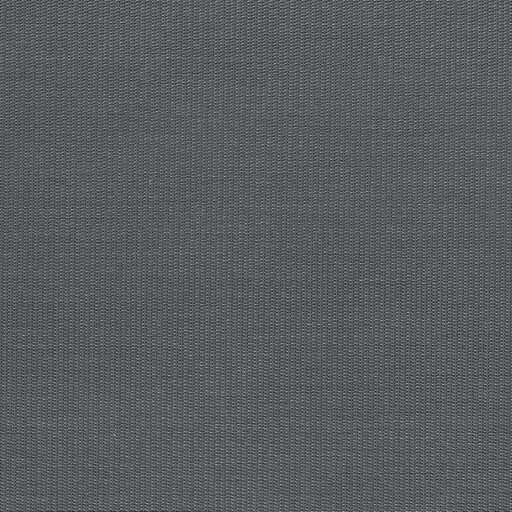
Why This Fits Their Persona: This screen is made from stylish Textilene in steel grey, which perfectly complements a modern garden or balcony where aesthetics are key. It provides a sleek and sophisticated look.
The heavy Textilene material (PVC and polyester) is UV-resistant and colourfast, unlike cheaper screens that quickly degrade and lose their appearance.
According to the manufacturer, it offers a high level of privacy and is easy to install thanks to the aluminium eyelets along the edges.
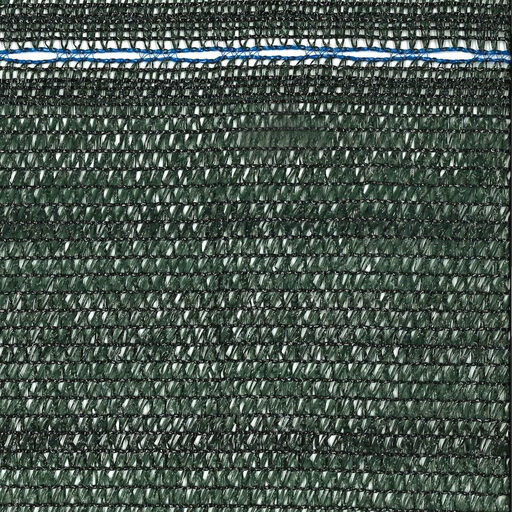
Why This Fits Their Persona: For those looking to screen a long fence or large perimeter, a `privacy screen on a roll` is an efficient solution. This 100-meter roll is ideal for large-scale projects.
The screen is made of UV-resistant HDPE that won't discolour or fray. The loops along the edges ensure a secure installation and prevent tearing, a common problem with long fence screens.
According to the manufacturer, it provides excellent screening and is highly durable. Its large size makes it a cost-effective choice for large areas.
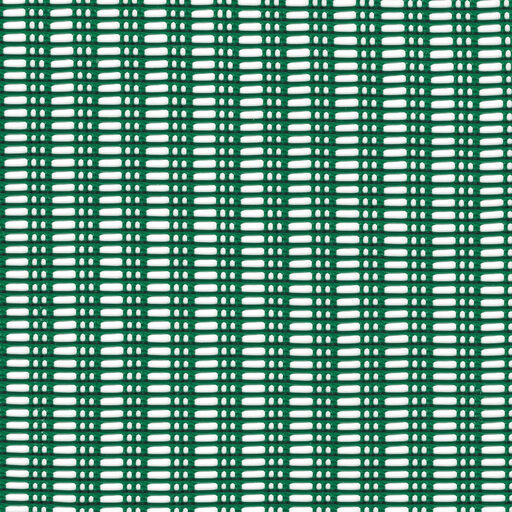
Why This Fits Their Persona: At 1 meter high and 5 meters long, this `balcony screen` is perfect for most balcony railings. It is specifically designed to both provide privacy and reduce wind.
The special mesh structure is designed to reduce wind force rather than completely blocking it, which minimises the risk of tearing from strong gusts—a typical problem on balconies.
Made of 100% virgin polyethylene and is UV-resistant. According to the manufacturer, it is easy to cut to size and install.
We have compiled a complete, up-to-date list of products that meet these selection criteria and comply with current regulations.
Most privacy screens, such as a fence screen or balcony screen, are installed using zip ties, special fastening wire, or clips. Thread these through the metal eyelets on the screen and attach them to the posts, bars, or frame of your fence or balcony railing. Ensure the screen is pulled taut and secured at regular intervals (e.g., every 30-50 cm) to prevent wind from catching underneath it.
The lifespan of a garden screen depends heavily on the material and the quality of the UV stabiliser. A cheap, untreated screen can become brittle after just one summer. However, a high-quality HDPE or Textilene screen with good UV protection can last for many years. According to EU consumer law, a minimum legal warranty of 2 years applies to these products.
This depends on three factors: the material, the installation, and the design. A screen specifically designed as a windbreak screen often has a more open weave to allow some wind to pass through, which reduces the pressure on the screen and its mounting points. A completely dense and heavy screen will catch more wind. In all cases, a correct and sturdy installation, with the screen pulled taut and secured at many points, is essential for wind resistance.
