
Vandaag of morgen in huis

Kwaliteit gegarandeerd

Welkomstaanbiedingen ontgrendelen: GRATIS bezorging | Tot 80% korting | Gratis 30 dagen JoyPlus-proefperiode
Download de app
A private garden or balcony is a luxury, but without privacy, you're often left exposed to the gazes of neighbours or passersby. A quality garden privacy screen offers the perfect solution. It not only creates a secluded space but can also block the wind and conceal an unsightly fence. However, the market presents an overwhelming number of choices, and not every option is worth the investment. Before you make a decision, it's wise to know what to look for to avoid a poor purchase.
Many people focus solely on the lowest price and end up disappointed. Here are two common pitfalls:
To ensure your investment pays off, there are a few technical specifications that make all the difference. By paying attention to these, you'll choose a product that is not only functional but will also last for years to come.
The material determines the durability, appearance, and functionality of your screen.
Two terms you'll often encounter are weight (expressed in grams per square meter, GSM) and UV stabilisation.
A balcony screen or garden screen is only as strong as its weakest link. Pay close attention to the attachment points. Metal eyelets (usually aluminium or stainless steel) placed at regular intervals along the edges provide the sturdiest and easiest method of installation. The quality and finish of these eyelets are crucial to prevent tearing.
Not everyone has the same needs. One person might be looking for a stylish addition to a modern terrace, while another needs a purely functional solution for a windy balcony. Below are several options tailored to different users.
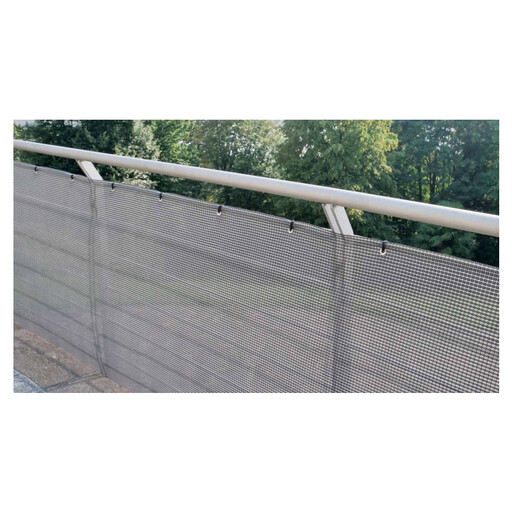
Why This Fits Their Persona: This screen is designed with aesthetics in mind. The woven texture in black and silver provides a sophisticated look that perfectly complements modern architecture and design-focused gardens.
The high-quality Textilene material avoids the cheap plastic look and is engineered to retain its colour, thus sidestepping the pitfall of rapid fading.
Innovative textile design with high aesthetic value. Provides privacy in an elegant way.
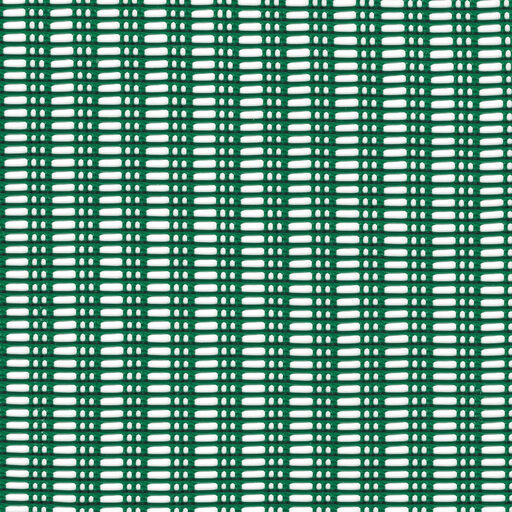
Why This Fits Their Persona: This person seeks a functional, no-nonsense solution. This HDPE net is specifically designed as a windscreen, is easy to install yourself, and can be cut to size. Functionality and durability are paramount.
Made from 100% virgin HDPE and UV-treated, this net is resistant to fading and tearing. The robust material is built for harsh weather conditions.
Effective as a windbreaker, durable, and easy to cut to size without special tools.
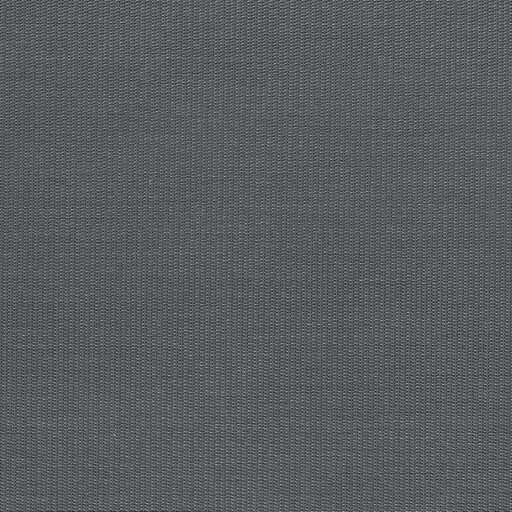
Why This Fits Their Persona: With a height of 1 meter, this screen is ideal for most balcony railings. The steel grey colour is modern and neutral, and the material offers a high level of screening from prying eyes.
The Textilene material is tear- and wind-resistant. The aluminium eyelets along the edges ensure a secure attachment to the railing, preventing the screen from coming loose or tearing in high winds.
High opacity, weather-resistant, and equipped with convenient mounting eyelets for quick installation on a balcony.
As you perfect the privacy in your garden, consider upgrading other parts of your outdoor space. Explore our range for a complete makeover.
Most screens come with metal eyelets along the edges. You can use zip ties, special clips, or rope to attach them to a fence, railing, or between posts. Ensure the fabric is pulled taut to minimise flapping in the wind and extend its lifespan.
The lifespan depends heavily on the material and the quality of the UV treatment. A high-quality HDPE or Textilene screen can typically last five years or more. Cheaper, non-stabilised versions may need to be replaced after just one or two seasons due to fading and wear.
Not always. The degree of privacy is determined by the material's density, often indicated in GSM, and the weaving technique. Some screens are designed for nearly complete blockage, while others have a more decorative, partially transparent effect. Check the product information for the specified opacity rating.
