
Vandaag of morgen in huis

Kwaliteit gegarandeerd

Welkomstaanbiedingen ontgrendelen: GRATIS bezorging | Tot 80% korting | Gratis 30 dagen JoyPlus-proefperiode
Download de app
As soon as the sun comes out, we all flock outdoors. But nosy neighbours or a windy corner can seriously spoil the enjoyment of your garden or balcony. A garden privacy screen seems like the ideal solution, but the market is flooded with options that look good at first glance but disappoint in practice. Before you invest in a piece of privacy, it's wise to know what to look for.
Many screens succumb to the elements, are cumbersome to use, or don't provide the privacy you're looking for. Let's look at the most common pitfalls:
A good screen for your garden doesn't have to be a headache. By paying attention to a few key specifications, you can make a choice you'll enjoy for years to come.
To make the right choice, it's helpful to look beyond the product photos. The following specifications determine the quality and longevity of your privacy screen.
The material determines not only the appearance but also the durability and the degree of privacy.
Your choice depends on your needs. Do you want a permanent garden partition or a flexible solution?
To help you with your choice, we've matched a few products to specific user profiles.
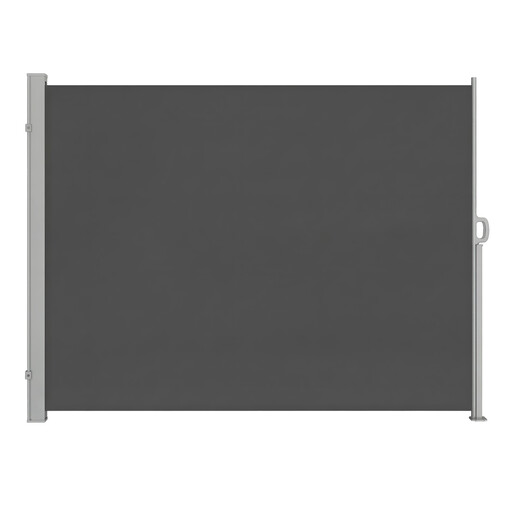
Why it's a match: Ideal for those who want privacy and shelter on demand. This retractable screen instantly creates a sheltered corner on the patio and can be easily rolled away when not in use.
The smooth spring mechanism prevents the jamming and sticking you see in cheaper models. The sturdy steel frame and the water-repellent PU coating on the fabric (220 g/m?) offer resistance to the elements.
Versatility in use. Provides both privacy and protection from wind and the low-hanging sun. Assembly is straightforward thanks to the included kit.
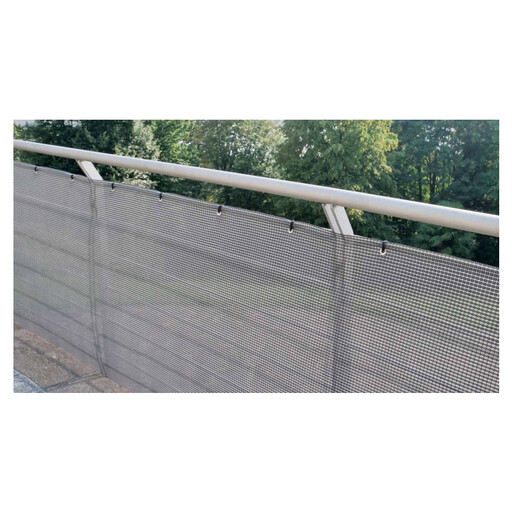
Why it's a match: For those looking for a balcony screen that is not only functional but also has a modern aesthetic. The woven design with different colours provides a sophisticated look that complements modern architecture.
The material (textilene) is tear, wind, and sun-resistant, so it won't easily weather or discolour. This screen is designed for durability, unlike cheaper fabrics that lose their appeal after one season.
Decorative appeal combined with functionality. It offers privacy without creating a solid, closed-off feel and is easy to mount on a balcony railing.
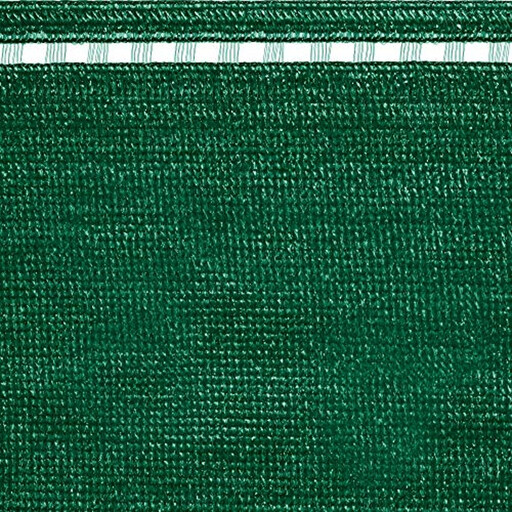
Why it's a match: For those who want to completely screen off a large section of fence or a partition. This screen is focused on maximum opacity and durability, ideal as a permanent garden screen.
With a weight of 230 g/m?, this fabric is considerably heavier and more densely woven than standard screens. According to the manufacturer TENAX, it is fully opaque and highly tear-resistant. The UV treatment ensures long-lasting colour retention.
Offers complete privacy (100% opaque according to the manufacturer) and is easy to cut to size without fraying. Suitable for both vertical installation and horizontal use as a shade cloth.
We've compiled a complete, up-to-date list of products that meet these selection criteria and comply with current regulations.
This depends heavily on the type and installation. A fixed privacy screen mounted tightly against a sturdy fence can withstand a lot of wind. A retractable side awning is more vulnerable. Manufacturers generally advise retracting these screens during strong winds or storms to prevent damage to the fabric or mechanism.
Not always. The opacity depends on the material's density (g/m?) and weave structure. HDPE fabrics with a lower weight (approx. 95 g/m?) allow silhouettes and light to pass through, while heavier fabrics (200 g/m? and up) offer nearly complete privacy. Product descriptions often mention the degree of opacity.
Most synthetic privacy screens (HDPE, polyester, textilene) are easy to maintain. Dirt and dust can usually be rinsed off with a garden hose. For more stubborn dirt, you can use a soft brush and a neutral soapy solution. Avoid harsh cleaning agents, as they can damage the UV coating.
