
Vandaag of morgen in huis

Kwaliteit gegarandeerd

Welkomstaanbiedingen ontgrendelen: GRATIS bezorging | Tot 80% korting | Gratis 30 dagen JoyPlus-proefperiode
Download de app
You want to relax in your garden or on your balcony without feeling like the neighbours are watching. A privacy screen seems like the perfect solution. But the market is flooded with options that look great online but disappoint in practice. Before you make a choice, it's crucial to understand the pitfalls. Many screens collapse during the first autumn storm or fade after just one summer.
Here are three common problems when purchasing a garden screen:
garden screen can turn into a patchy, faded grey fabric within a single season.garden windbreak useless.To avoid these issues, a few key specifications can mean the difference between a smart purchase and a waste of money.
The material determines the durability, aesthetic, and functionality of your garden screening.
fence screening roll. It offers a good balance between durability and price. HDPE is reasonably UV-resistant and lasts for several seasons.plastic garden screen made of PVC is often completely waterproof and provides a very high degree of privacy. It's a practical choice if you're looking for a fully opaque screen. The appearance can sometimes be less natural.privacy screen made of Textilene is ideal as a balcony screen or for a design-focused garden. The opacity can vary depending on the weave density.A key indicator of the quality and durability of a fence screen is its weight, expressed in grams per square meter (g/m?). A higher number typically means a denser and stronger fabric.
A fence privacy screen is exposed to the elements all year round.
Based on these criteria, we have selected a few products that cater to different needs and situations.
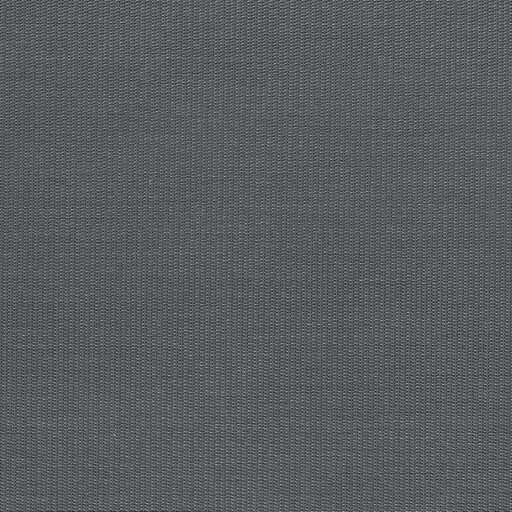
Why This Fits Their Persona: The 1-meter height is perfect for a standard balcony railing. The sleek, steel-grey Textilene material provides a modern look without being overpowering. Ideal for those seeking an effective and stylish balcony screen that is easy to install.
The woven Textilene (PVC and polyester) is tear and UV-resistant, preventing rapid discolouration. The aluminium eyelets are sturdy and rust-proof, which is essential for durable installation on a windy balcony.
Tear-resistant and UV-resistant material. Equipped with aluminium eyelets for simple and quick installation.
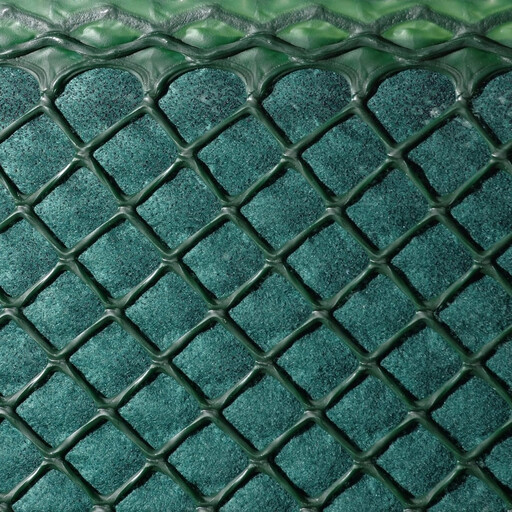
Why This Fits Their Persona: This screen is designed for complete screening. The combination of a polyethylene mesh with a non-woven polypropylene fabric ensures very high opacity, ideal for those who desire maximum privacy in their garden.
This screen directly addresses the problem of misleading opacity. The dual-layer design guarantees the screen won't become transparent in the sun. Its construction is robust and designed to withstand wind.
Very high opacity due to dual-layer construction (HDPE + PP). Robust and wind-resistant.
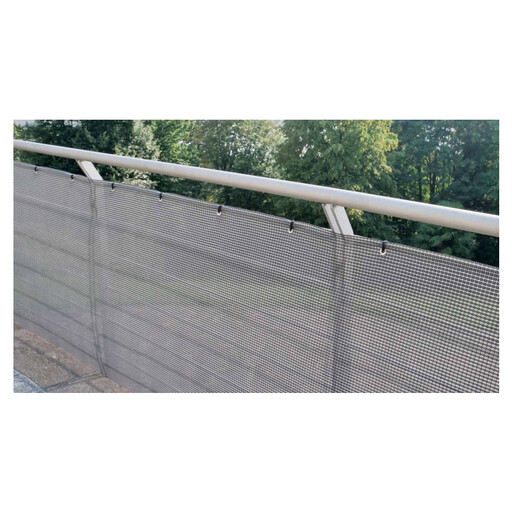
Why This Fits Their Persona: The description highlights its "high aesthetic impact" and "textile design." The mix of black, silver, and grey threads creates a sophisticated look that complements a modern home or a sleekly designed patio.
Although this screen intentionally has lower opacity for a decorative effect, the material (Textilene) is high-quality. It is tear-resistant and UV-stabilised, so its elegant look is preserved.
Unique decorative effect with a woven texture. Complements modern architecture. Tear and sun-resistant.
We have compiled a complete, up-to-date list of products that meet these strict selection criteria and quality standards.
This depends on the material, weight (g/m?), and especially the installation. A heavy screen with sturdy, closely spaced aluminium eyelets, secured with zip ties or cables to a solid fence, can withstand a significant storm. Always ensure the screen is pulled taut to minimise flapping in the wind.
Yes, many modern screens, particularly those made of Textilene or HDPE, are designed not to fray after being cut. This is usually mentioned in the product description. Use a sharp pair of scissors or a utility knife for a clean cut. Note: when you cut off a section, you may lose the reinforced edge with eyelets on that side.
Functionally, they are similar, but the difference is often in the dimensions. A balcony screen is typically shorter (e.g., 90 cm or 100 cm high) to fit a standard balcony railing. A fence screen is often taller (150 cm, 180 cm, or 200 cm) and comes on longer rolls for covering an entire fence or railing.
