
Vandaag of morgen in huis

Kwaliteit gegarandeerd

Welkomstaanbiedingen ontgrendelen: GRATIS bezorging | Tot 80% korting | Gratis 30 dagen JoyPlus-proefperiode
Download de app
Prefer to enjoy your garden or balcony without prying eyes? A privacy screen is a quick and effective solution. But the market is flooded with options that look great at first glance, only to fade, tear, or come loose after just one season. Before you make a choice, it's crucial to know what to look for.
Many people make the same mistakes: they opt for the cheapest fabric that turns brittle after one summer, underestimate the force of the wind on a dense screen, or end up with a sagging screen because of poor fastenings. This leads to disappointment and unnecessary costs. Let's explore how to avoid these pitfalls and choose a screen that will last for years.
A good privacy screen is more than just a piece of fabric. Its durability is determined by a few key technical specifications. Pay attention to these to avoid having to replace your purchase after just a few months.
The material determines almost everything: its lifespan, the level of privacy it offers, and how well it withstands the elements.
garden privacy screens. It is naturally quite UV-resistant, and its woven structure allows some wind to pass through, reducing the pressure on your fence or railing. The density is expressed in grams per square meter (g/m?). A higher number (e.g., 200 g/m? or more) typically means a sturdier and more opaque fabric.garden partition without the maintenance, an artificial hedge is an option. These usually consist of PE leaves on a plastic grid. Pay close attention to UV resistance; otherwise, you'll have a faded, discoloured hedge in no time.Tenax garden screen models, combine a woven mesh with a non-woven fabric for maximum opacity. This is ideal for complete privacy but also catches more wind.One of the biggest annoyances is a deep green balcony screen that turns a faded grey after just one summer. This is caused by UV radiation. A product that is "UV-treated" or "UV-stabilised" contains additives that significantly slow down this degradation process. Without this treatment, the material becomes brittle and loses its colour and strength. Always check the product description for this specification.
A screen is only as strong as its mounting method. A good garden privacy screen has reinforced edges and stamped metal or plastic eyelets (grommets) every few inches. This not only makes installation with zip ties, clips, or wire easier but also distributes tension evenly. A screen without these features is difficult to hang taut and will likely tear at the attachment points during the first storm.
Based on these practical criteria, we have selected a few products that suit different situations.
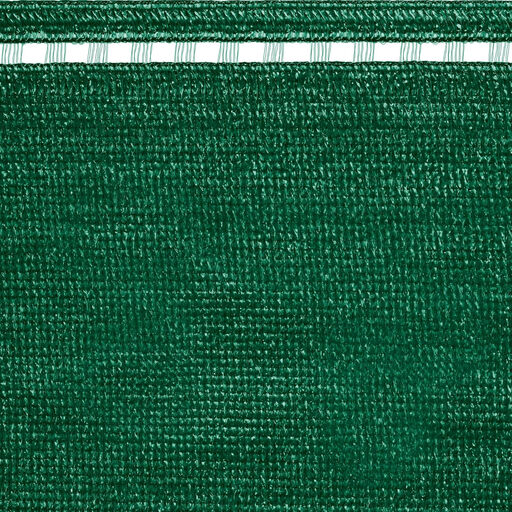
Why This Fits Their Persona: This size is ideal for most standard balconies. It's not too large or heavy, allowing one person to easily mount it to the railing.
Made from 100% HDPE and UV-treated, so it won't fade quickly. The built-in eyelets eliminate the hassle of a clumsy installation and ensure a secure fit.
Compact size and easy installation thanks to the eyelets at the top and bottom. The material offers a good balance between privacy and wind permeability.
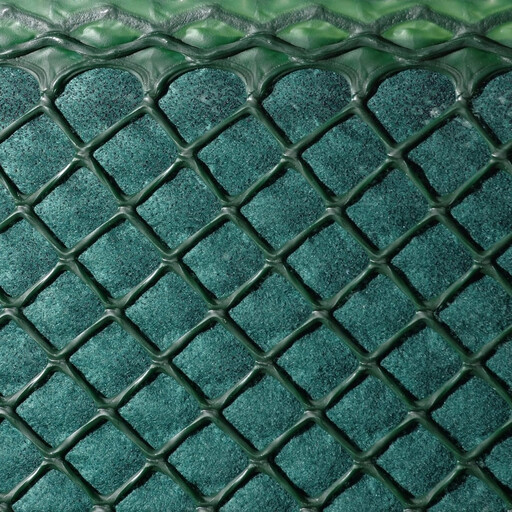
Why This Fits Their Persona: For those who want absolutely no one looking in. This screen is designed for maximum opacity and is ideal for shielding a garden fence along a busy road or next to neighbours.
The double layer (plastic mesh plus non-woven fabric) makes it highly opaque and robust. This avoids the pitfall of a screen that's too thin, still allows visibility, and tears easily in the wind.
According to the manufacturer, this screen offers "complete shielding." The combination of HDPE and PP provides very high opacity and tear resistance.
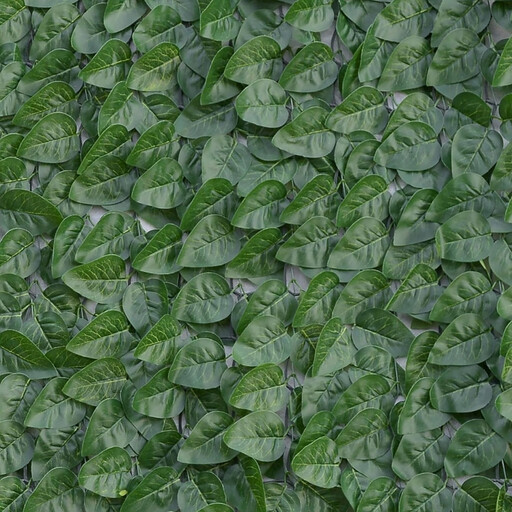
Why This Fits Their Persona: For those who want the functionality of a privacy screen but the look of a real hedge. It's perfect for transforming a dull fence or wall into a green oasis, without any need for pruning or watering.
Cheap artificial hedges fade quickly. This model is UV-resistant, ensuring its realistic laurel look is preserved. It's mounted on a sturdy plastic grid, which simplifies installation and ensures durability.
Offers a natural and maintenance-free appearance. According to the manufacturer, the leaves mimic the look of real laurel and provide effective screening.
We have compiled a complete, up-to-date list of products that meet these selection criteria and comply with relevant regulations.
The easiest way is with zip ties or special Tenax clips, which you feed through the screen's eyelets and around the bars or posts of your fence or balcony railing. Make sure the fabric is pulled taut to prevent it from flapping in the wind, but don't pull it so tight that the eyelets are under extreme tension. Distribute the attachment points evenly along the entire length.
This depends heavily on the material and installation. A woven HDPEwindscreen is somewhat wind-permeable, which reduces the pressure on the screen and your fence. A completely dense, non-permeable screen will catch a lot of wind and requires a very sturdy structure and solid fastenings. Always check the stability of your fencing before installing a heavy or dense screen.
Although they can look similar, a shade sail is primarily designed to be stretched horizontally to create shade. A garden privacy screen is intended for vertical mounting to block views and wind. The weave density and material can differ. Some multi-purpose fabrics, like the TENAX Jamaica, are suitable for both applications, according to the manufacturer.
