
Vandaag of morgen in huis

Kwaliteit gegarandeerd

Welkomstaanbiedingen ontgrendelen: GRATIS bezorging | Tot 80% korting | Gratis 30 dagen JoyPlus-proefperiode
Download de app
Garden netting can solve a range of problems: reducing overlooking on a balcony, protecting young plants, shielding fruit from birds or creating a temporary garden fence. However, not every net is suitable for every purpose. Fine-mesh shade netting works differently from plastic garden mesh for fencing, and anti-hail netting needs different fixings from a garden privacy screen.
The most common buying mistakes usually come down to three things:
For many uses, polyethylene (PE) is a practical choice. HDPE, or high-density polyethylene, is used for privacy screens, shade netting and anti-hail netting, among other things. Check whether the manufacturer says the product is UV-treated or UV-stabilised. Treat this as a product specification, not a guarantee of a particular lifespan.
Polypropylene is often used for plastic garden mesh and agricultural netting. It’s lightweight and flexible. For permanent garden fencing, tensile strength, tear resistance and the distance between posts are also important.
A PVC profile is something different from netting. The Sekey PVC Garden Screen Clip Cover, for example, is designed as a finishing profile for the top of privacy screens. It protects the top edge from dirt and rain and helps create a neat, even finish. It is not a substitute for garden netting.
Mesh size determines what the net keeps out and how much air, water and light can pass through.
Check the shape of the mesh, too. TENAX Quadra Plastic Net has a square mesh of 10 x 10 mm. TENAX Anti-Hail Net has a mesh size of 7 x 8 mm. These details tell you more than a general claim such as “fine mesh”.
First, measure the full length and height of the area you want to cover. Allow extra material for:
A reinforced or hemmed edge is useful in windy conditions. Also check whether clips, cable ties, pegs or rope are included. For example, plastic ties are not included with the green TENAX Plastic Net. This affects the total cost.
For a freestanding screen, a fixing point every 30 to 50 centimetres is often more practical than using just a few ties. For larger agricultural netting, sturdy posts, even tension and room for growth matter more than a taut appearance.
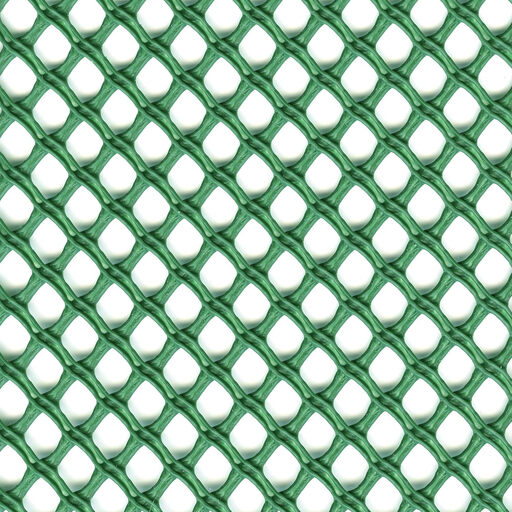
Why it suits this profile: The 1 x 5-metre roll is a manageable size for a balcony, patio, fence or small garden. According to the product information, you can cut the net to size with ordinary scissors.
The dimensions and material are clearly stated. Remember to budget separately for plastic ties, as they are not included.
Green, 5 metres long, easy to cut and, according to the product description, treated to protect against UV radiation.
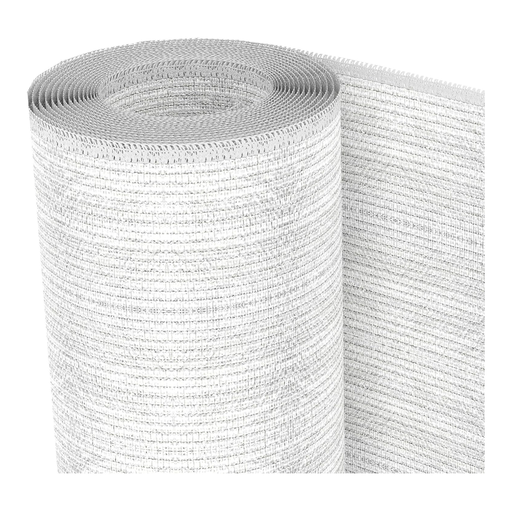
Why it suits this profile: A good choice if you need a long screen along a garden, balcony or patio. The roll is 50 metres long and 2 metres wide.
The product information specifies a weight of 95 g/m², HDPE material and included clips. Before installation, check that the supporting structure can withstand the wind load.
HDPE, finished edges and, according to the manufacturer, UV treatment with a stated colour fastness of 5 years.
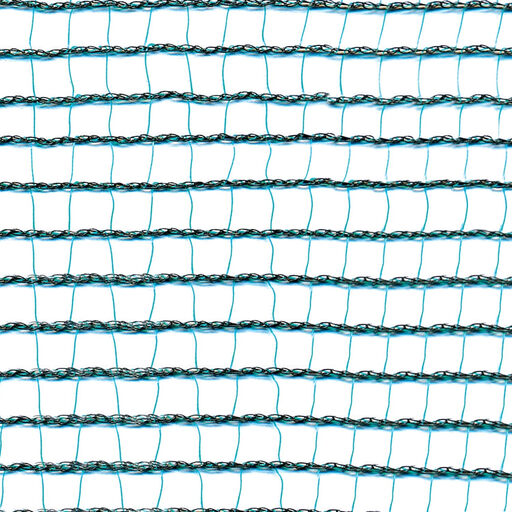
Why it suits this profile: Designed for fruit growers, plant nurseries and allotment gardeners who want to cover long rows of crops or fruit trees to protect them from hail and birds.
The 7 x 8 mm mesh size and dimensions of 3 x 100 metres are clearly stated. The roll is 1.50 metres high, so check this difference before installation.
PE monofilament, reinforced sides and air and water permeability, according to the product specifications.
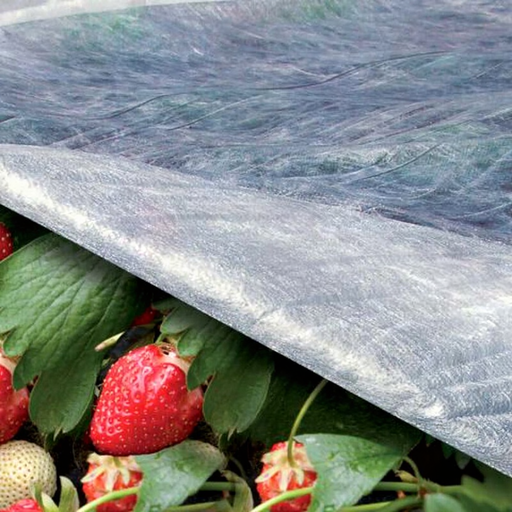
Why it suits this profile: This lightweight garden fleece is designed for early crops and temporary protection for plants, crops and young fruit against changeable weather.
The specifications state a weight of 17 g/m², water permeability and UV resistance. Don’t use garden fleece as a substitute for sturdy anti-hail netting.
Lightweight non-woven material, water-permeable and available in a 2,4 x 500-metre roll.
We’ve put together a complete, up-to-date list of products that meet these strict selection criteria and the applicable European safety regulations.
Use fixing points that suit the material and the wind load. For a privacy screen or windbreak, wide clips or ties are better than thin wire attached at a single small point. Tension the net evenly, but not so tightly that the edge tears. Check the clips, posts and edges after strong winds.
It depends on the material, UV treatment, wind, moisture, friction and season. A manufacturer may state a particular level of colour fastness or UV performance, but this does not guarantee a fixed lifespan in all Dutch conditions. Store seasonal netting somewhere dry and out of direct sunlight when you’re not using it.
Check the mesh size, dimensions and how the net is secured. Anti-hail netting is designed to go over crops or fruit trees, with enough space for them to grow. Bird netting or protective netting for plants may have a finer mesh, but always check that it won’t rub against leaves or fruit. Sturdier plastic mesh is better for garden fencing or animal enclosures.
