
Vandaag of morgen in huis

Kwaliteit gegarandeerd

Welkomstaanbiedingen ontgrendelen: GRATIS bezorging | Tot 80% korting | Gratis 30 dagen JoyPlus-proefperiode
Download de app
Good garden lighting does more than just illuminate your path. It creates ambiance, enhances security, and turns your garden, patio, or balcony into an extension of your living room. But the search can be overwhelming. The range of options is enormous, and marketing promises make it difficult to determine what you really need. Many people fall into the same traps, resulting in lights that fail after a single season of bad weather or that emit a glow completely at odds with the desired atmosphere.
As a Joybuy Product Recommendation Officer, I'm here to help you cut through the noise. We'll discuss the most common mistakes and provide you with actionable advice to make the right choice, based on the specifications that truly matter.
Before you make a decision, it's crucial to know where things often go wrong. By avoiding these common mistakes, you'll save money and disappointment.
To sidestep the pitfalls above, there are a few technical specifications you need to check. We'll explain them in plain language.
The IP rating consists of two digits. The first indicates protection against solid objects (like dust), and the second indicates protection against moisture. For outdoor lighting, that second digit is especially critical.
These two values determine how the light from your LED garden lights looks and feels.
The choice between solar-powered outdoor lighting and mains-powered lights depends on your needs and situation.
To help you get started, we've selected a few products that suit different needs and situations.
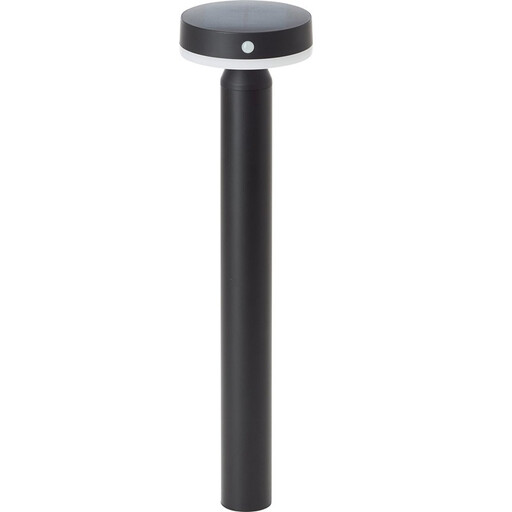
Why This Fits Their Persona: Ideal for anyone seeking a quick, effective, and affordable solution. This pedestal light can be staked directly into the ground along a path or in a border. No fuss with wiring, perfect for a first foray into garden lighting.
The light is solar-powered, so the installation pitfall is avoided. The IP44 rating is clearly stated, and the specifications (350 lm, 4000 K) tell you exactly what kind of light to expect.
Built-in motion sensor for added security and efficiency. The light only turns on when needed, which extends the battery life.
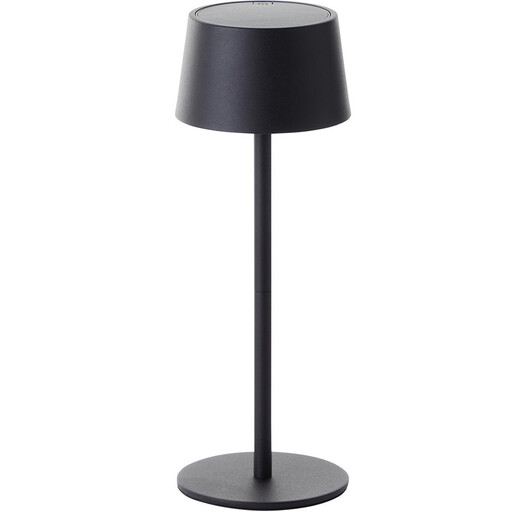
Why This Fits Their Persona: For those who prioritise flexibility and ambiance. This cordless table lamp can be placed wherever you want: on the garden table during dinner or next to you on the lounge set. The dimming function makes it perfect for any occasion.
The 3000K colour temperature guarantees warm, atmospheric light. The dual charging option (solar and USB) avoids the pitfall of a dead battery on an overcast day.
Dimmable in 3 steps for complete control over the atmosphere. The lamp can be assembled at two different heights, providing extra design flexibility.
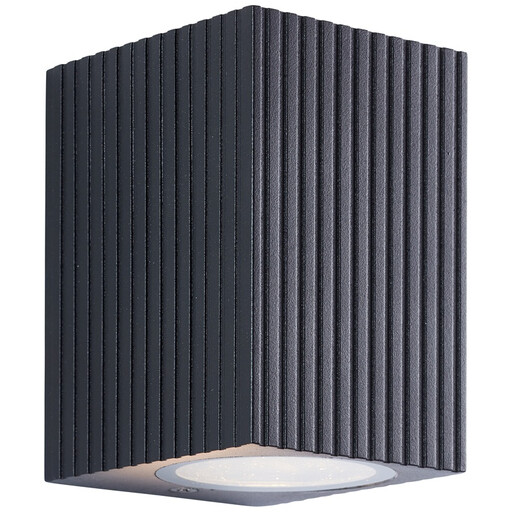
Why This Fits Their Persona: For those looking for a permanent, stylish upgrade to their home's fa?ade. This modern aluminium wall light features a sleek, grooved design that provides a premium look. A durable choice for a sophisticated finish.
The durable aluminium and IP44 rating provide security against the elements. Because you choose your own GU10 bulb, you have full control over the light colour and brightness, avoiding the 'wrong ambiance' pitfall.
Flexibility thanks to the replaceable bulb. You can tailor the light to your preferences, for instance by installing a smart GU10 bulb. It's a downlight, which creates a chic, indirect lighting effect on the wall.
We have compiled a complete, up-to-date list of products that fully meet these strict selection criteria and local regulations.
1. Does solar-powered outdoor lighting work well in regions with frequent cloud cover? Yes, modern solar panels are efficient enough to charge even on overcast days. For optimal results, place the light in a spot that receives the most sunlight during the day. Many models, like the recommended Brilliant table lamp, also have a USB charging port as a backup for darker days.
2. How many lumens do I need for my garden? That depends on the purpose. For soft ambient garden lighting, 100 to 300 lumens per light is often sufficient. To safely illuminate a path, look for 300 to 700 lumens. For functional lighting near a shed or for security, 700 lumens or more is advisable, often in combination with a motion sensor.
3. What is the practical difference between IP44 and IP65?IP44 (splash-proof) is fine for lights placed under eaves, a carport, or on a covered balcony. They are protected from rain but not from a direct jet of water. IP65 (jet-proof) is a better choice for lights that are fully exposed to the elements, such as a freestanding outdoor light in the middle of the garden or a spotlight that might get hit by the garden hose.
