
Vandaag of morgen in huis

Kwaliteit gegarandeerd

Welkomstaanbiedingen ontgrendelen: GRATIS bezorging | Tot 80% korting | Gratis 30 dagen JoyPlus-proefperiode
Download de app
A good garden fence provides privacy, security, and atmosphere. But the search can feel like a maze of marketing terms and vague promises. Many products look great online but turn out to be a disappointment in practice. As a Joybuy Product Recommendation Officer, I'll help you ask the right questions so you can make a choice you'll enjoy for years to come.
Before you make a decision, it's wise to consider a few common pitfalls.
To make a durable and functional choice, you need to look beyond the product photos. Pay attention to the following two specifications that make the difference between a temporary fix and a long-term investment.
The choice of material determines the function, durability, and look of your fence. The two most common modern materials are polypropylene (plastic) and Textilene.
A maintenance-free fence starts with the quality of the material.
Not everyone has the same needs. Below are some products that suit specific requirements, based on their specifications.
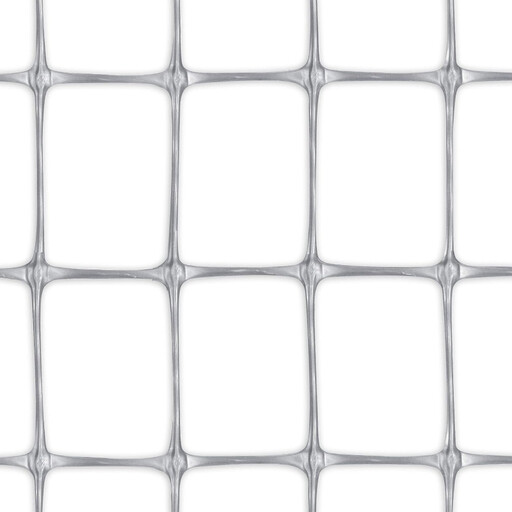
Why This Fits Their Persona: Ideal for those seeking a functional and secure enclosure for small animals in the garden. The focus is on sturdiness and functionality, not complete privacy.
This mesh is specifically described as suitable for aviaries and enclosures for small animals. The UV treatment addresses the pitfall of rapid wear and tear from the sun.
Lightweight and robust, making it easy to handle and install on a wooden frame, for example. It doesn't rust, unlike traditional metal mesh.

Why This Fits Their Persona: Perfect for those who want to combine balcony privacy with a modern, decorative look. The goal is not complete screening, but creating atmosphere and breaking the line of sight.
This product bypasses the privacy paradox by explicitly stating that it offers low screening with a decorative effect. Expectations are managed from the start.
The woven Textilene with black, silver, and grey threads provides a sophisticated look. The aluminium eyelets at the top and bottom make it easy to attach to a balcony railing.
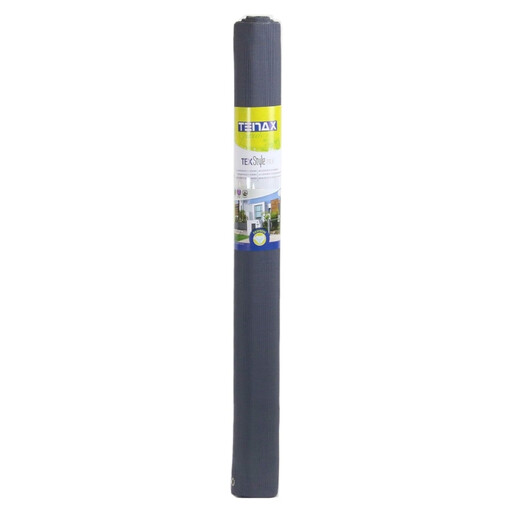
Why This Fits Their Persona: Suitable for homeowners who want to cover a long property line with a sleek and effective privacy screen. The 25-meter roll is efficient for larger distances.
This screen is described as tear-, wind-, and sun-resistant, countering the "weather-resistant" myth with concrete properties. The large roll avoids the installation trap of having to join many small pieces.
Provides excellent screening and can be cut to size with regular scissors without fraying. The steel grey colour ensures a neutral, modern look.
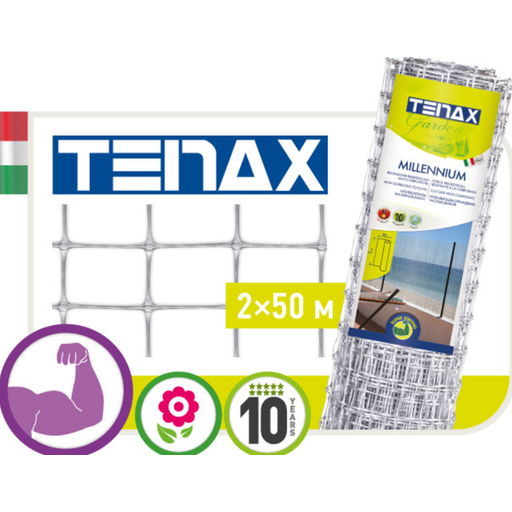
Why This Fits Their Persona: An excellent choice for those living in a coastal area who need a permanent fence that can withstand salt corrosion and harsh weather conditions.
This product tackles the "weather-resistant" pitfall by specifically mentioning its resistance to salt corrosion, a problem that standard metal fences quickly succumb to.
Made of 100% polypropylene that does not rust. According to the manufacturer Tenax, it has high tensile and tear strength and comes with a 10-year warranty.
A garden fence is a personal choice. If the suggestions above don't quite match your situation, take a look at our wider selection.
The rules can vary by municipality, so always check local regulations. Generally, a fence next to and behind the house can be a maximum of 2 meters high. For the front garden, the maximum height is usually 1 meter.
Yes, most balcony privacy screens are designed for DIY installation. They are typically equipped with metal eyelets (grommets) that allow you to attach the screen to the railing with zip ties, rope, or special clips. Make sure the screen is taut and securely fastened, especially in windy areas.
A plastic fence is essentially a maintenance-free fence. The material does not rot or warp and does not need to be painted. Occasional cleaning with water and a soft brush is sufficient. A wooden fence, on the other hand, requires periodic maintenance such as staining or painting to protect the wood from weather and rot.
