
Vandaag of morgen in huis

Kwaliteit gegarandeerd

Welkomstaanbiedingen ontgrendelen: GRATIS bezorging | Tot 80% korting | Gratis 30 dagen JoyPlus-proefperiode
Download de app
A garden bench may seem like a simple purchase, but differences in materials, dimensions and assembly can affect how comfortable and practical it is to use. A model that looks great in a product photo won’t necessarily suit your patio, balcony or front garden.
Look out for these common pitfalls:
A wooden garden bench has a natural look. Acacia is popular for outdoor furniture, but an oil finish won’t protect the surface indefinitely in all weather conditions. Check whether maintenance, covering or indoor storage is recommended.
A metal garden bench with a powder-coated finish often has a sleek look and a sturdy frame. Check whether the metal has been treated to prevent rust, and regularly inspect the coating for damage. A black metal garden bench can also get hot in direct sunlight.
According to the product description, HKC, a wood-plastic composite, combines the look of wood with a low-maintenance finish. Always check the exact composition and cleaning instructions. “Weather-resistant” doesn’t mean a bench can be left outdoors indefinitely without any protection.
Measure the available space before buying a garden bench. Leave room around it to walk past and to use the backrest, armrests or swing function.
Check:
For example, the 125 cm vidaXL Garden Bench is listed as seating up to three people, with a load capacity of 110 kg per seat and 330 kg in total. These specifications can be checked, but the bench must also be assembled and positioned correctly.
A garden bench for everyday use should stand firmly. On a soft surface, such as grass or loose soil, its legs may sink. Some models can be secured to the ground. Use suitable fixings and follow the assembly instructions.
Before buying, check:
The product information for several models recommends covering the bench when it’s not in use. This can help keep the material and finish in good condition for longer, but it doesn’t replace the maintenance instructions in the manual.
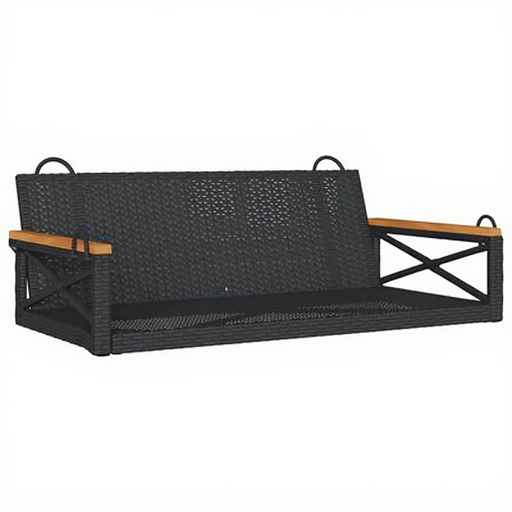
Why it suits this profile: This compact model combines a black finish with a swing function, making it a good fit for a patio or smaller garden where relaxation is a priority.
The overall dimensions and seat size are clearly stated. Bear in mind that you’ll need to allow for suspension and assembly, and use the recommended protective cover; this isn’t a bench you can put just anywhere without preparation.
PE rattan, powder-coated steel and solid acacia wood; 100 cm seat width and a stated load capacity of 110 kg per seat.
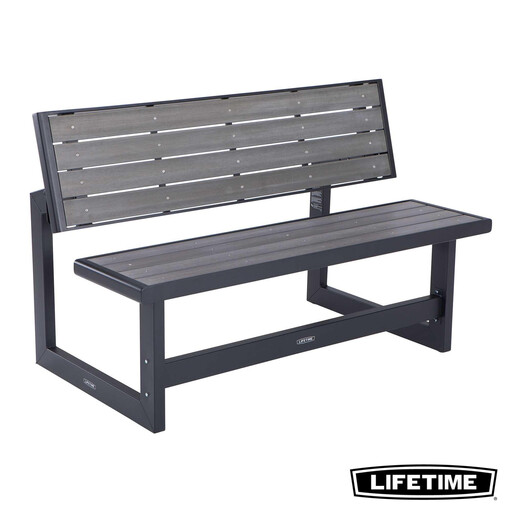
Why it suits this profile: If you want one piece of furniture for both sitting and dining, this convertible model gives you extra flexibility on a patio or courtyard.
The product description says it converts into a table and has a steel frame with a protective finish. Check that you have enough space in both configurations before buying.
145 cm long and 77 cm wide, with a low-maintenance polystyrene top according to the product information; weight 34.8 kg.
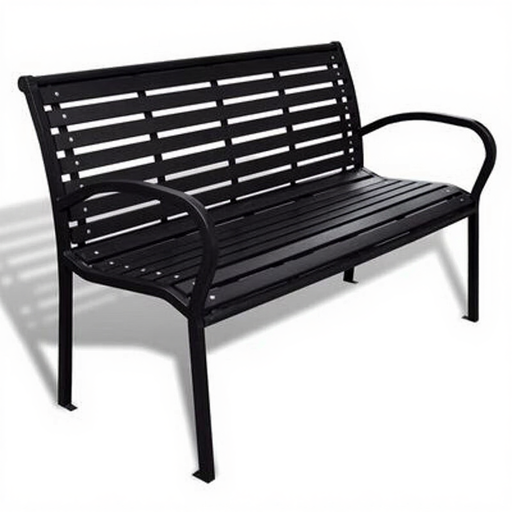
Why it suits this profile: This model is designed for frequent use in a garden, park, playground or school setting, where stability and seating for several people matter.
The stated load capacity is given both per seat and for the bench as a whole. For stability, the product information says the bench must be firmly secured to the ground.
125 cm wide, seats up to three people, with a steel frame and HKC slats; stated total weight capacity of 330 kg.
If you’re after a classic look, consider a wooden or metal model with decorative details. The 122 cm vidaXL Garden Bench is made from wood and wrought iron, with a PVC backrest. The stated seat height is around 40 cm, and no cushion is included. With this type of wooden garden bench, check that the seat depth suits your height.
A swing bench needs extra care when it comes to suspension. The fixing rings must be attached to a sturdy point, such as a suitable stand. Don’t use a branch or structure unless you’re sure it can bear the load. If in doubt, a fixed garden bench is a more practical choice.
We’ve put together a complete, up-to-date list of products that meet these strict selection criteria and the applicable European safety regulations.
Use a breathable, water-repellent cover when the bench won’t be used for a while. Make sure it isn’t left standing in water for long periods, and follow the care instructions for wood, metal or plastic composite. Ideally, store loose cushions somewhere dry.
Measure not only the length and depth of the bench, but also the space needed to walk around it, use a table and allow for any swing function. A 125 cm-wide model also needs clear space at the sides so you can sit down comfortably.
That depends on the frame, assembly and stated load capacity. Check whether the weight capacity is given per seat as well as for the bench as a whole. For frequent use, a stable surface and, where specified, fixing the bench to the ground are especially important.
