
Vandaag of morgen in huis

Kwaliteit gegarandeerd

Welkomstaanbiedingen ontgrendelen: GRATIS bezorging | Tot 80% korting | Gratis 30 dagen JoyPlus-proefperiode
Download de app
A flat tire always happens when you least expect it. Or perhaps you're a DIY enthusiast who enjoys performing your own car maintenance. In either case, a reliable garage jack is indispensable. But with so many options—from a compact scissor jack to a powerful hydraulic jack—finding the right one can be challenging. The wrong choice isn't just inconvenient; it can also be unsafe.
As a Joybuy Product Recommendation Officer, I'm here to help you see past the specs and marketing claims. In this article, we'll provide practical tips and highlight several popular choices, so you can make an informed decision for your car and your project.
Before you purchase a jack, there are a few key specifications to consider. These determine whether a jack is suitable and safe for your vehicle.
Lifting capacity, expressed in tons, indicates the weight the jack can safely lift. This is not the same as your car's total weight, as a jack only lifts one corner or side of the vehicle. A good rule of thumb is to choose a jack with a capacity of about 75% of the total vehicle weight. For most passenger cars and SUVs, a 3-ton garage jack or a 2.5-ton model provides an ample safety margin. Always check your car's weight in the owner's manual.
The minimum height (the profile) is crucial, especially if you own a lowered sports car. A standard jack simply won't fit underneath. A jack for lowered cars has an ultra-low profile, often around 85 mm. The maximum lifting height determines how high you can raise the car, which is important for jobs that require more workspace underneath, such as chassis inspections.
Based on objective specifications like lifting capacity, profile, and safety certifications, we've selected a few models from the TCE jack brand for you.
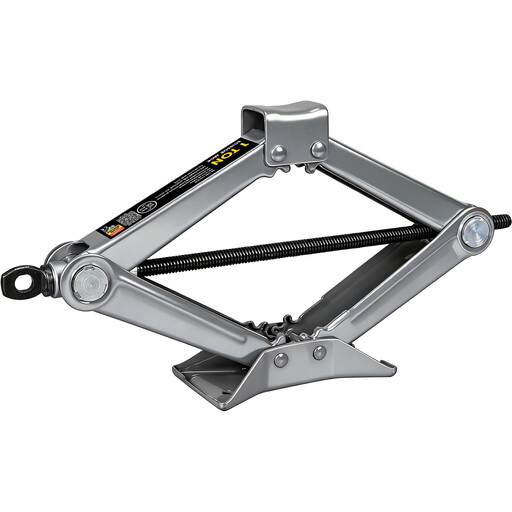
Why It Stands Out This scissor jack is designed for convenience and emergencies. With its foldable design and a collapsed height of just 88 mm, it fits effortlessly into your trunk's spare tire compartment.
Pros:
Who Is It For? Ideal for car owners looking for a reliable, compact jack for emergencies like a flat tire or for simple chassis inspections. Suitable for sedans and city SUVs up to 1 ton (1,000 kg).
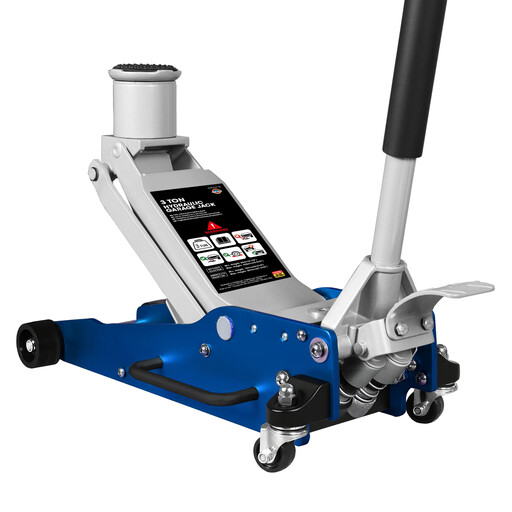
Why It Stands Out This is a powerful hydraulic jack for the serious hobbyist. It combines a high lifting capacity with a lightweight aluminum construction and advanced features. The dual pump ensures a rapid lift.
Pros:
Who Is It For? For the DIY mechanic and hobbyist who regularly works on various vehicles, from performance cars to heavier family vehicles. An excellent choice for those who need speed, power, and flexibility.
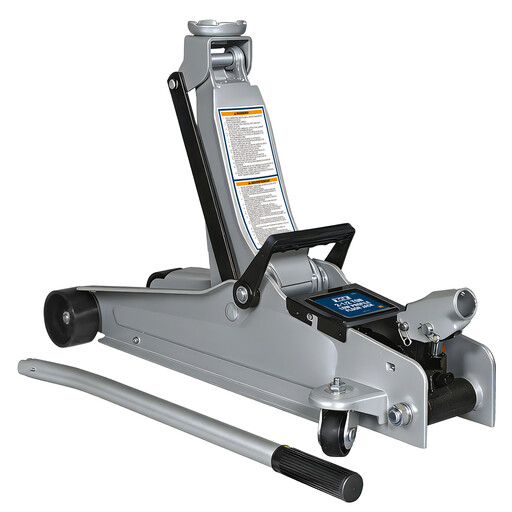
Why It Stands Out This low-profile jack is a true all-rounder. It offers a solid 2.5-ton lifting capacity and a very low starting height, all wrapped in a durable steel construction.
Pros:
Who Is It For? This is an excellent choice for the all-around car enthusiast seeking a reliable and durable hydraulic jack for various maintenance tasks. It's strong enough for an SUV and low enough for a sports car.
The right car jack depends entirely on your specific needs and the type of vehicle you own. If the models above don't quite match what you're looking for, or if you're curious about other tools and accessories, feel free to browse our wider selection.
Check out our full range in the Auto Warehouse category.
Check your car's curb weight (found in the owner's manual or on the vehicle registration). Choose a jack with a lifting capacity of at least 75% of that weight. For a 2,000 kg car, a 1.5-ton (1,500 kg) jack is technically sufficient, but a 2.5 or 3-ton model offers a greater safety margin and is more versatile.
A scissor jack is mechanical, compact, and intended for occasional use, like changing a tire on the roadside. A hydraulic jack uses fluid pressure, lifts heavier loads with less effort, and is ideal for regular use in a garage or workshop.
No, absolutely not. A jack is solely a lifting device. Once the car is raised to the desired height, you must always support it with approved jack stands before working underneath the vehicle. Safety is paramount.
