
Vandaag of morgen in huis

Kwaliteit gegarandeerd
Download de app
Categorieën

An organised garage or workshop starts with a great storage system. However, choosing the right garage cabinets isn't always straightforward. A common pitfall is making a poor purchase: a shelving unit that sags under the weight of your tools, or a cabinet whose doors no longer close properly after just a few months. Selecting the right storage solution requires careful attention to material, load capacity, and functionality.
This guide will help you make an informed decision based on factual product features. We'll discuss the most important criteria and highlight several specific solutions tailored to different needs.
Before making a choice, it's wise to map out your requirements. The following criteria are crucial for the functionality and lifespan of your garage cabinet.
Below is a selection of storage solutions, each with specific features that cater to different applications within the workshop or garage.
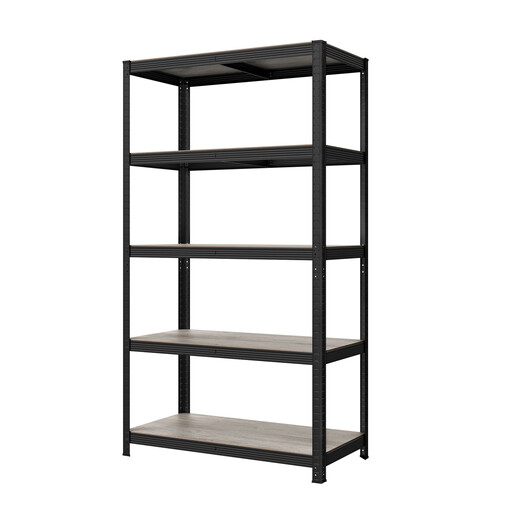
Why this product: This metal shelving unit is designed for heavy-duty work. With a high load capacity and a flexible design, it's a versatile foundation for any workshop setup.
Advantages:
Who is this for: Ideal for DIY enthusiasts and professionals who need to store heavy materials, tools, or supplies in a garage, basement, or warehouse. The modular design makes it suitable for spaces of various sizes.
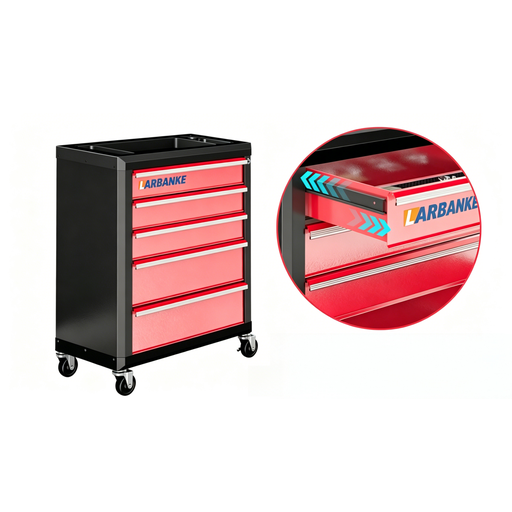
Why this product: This rolling tool chest combines organised storage with mobility. The lockable drawers and robust worktop make it a functional component of a dynamic workspace.
Advantages:
Who is this for: Suitable for hobbyists and mechanics who like to keep their tools close at hand and work in different areas of the garage or workshop. The stackable functionality is a plus for those looking to expand their storage space in the future.
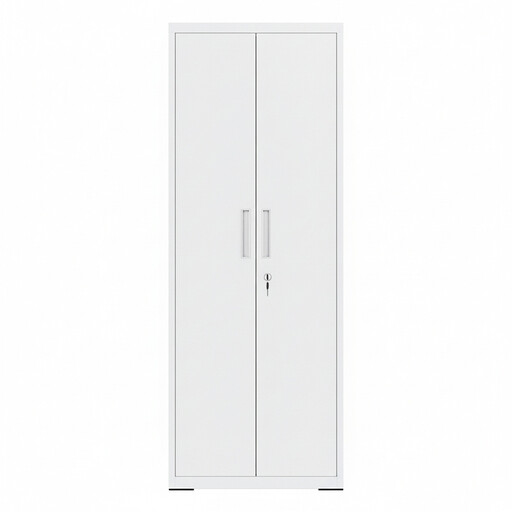
Why this product: This steel cabinet offers secure, enclosed storage. The focus is on security and a clean appearance, ideal for storing items you want to keep out of sight or under lock and key.
Advantages:
Who is this for: Perfect for anyone seeking a lockable storage cabinet to securely store tools, chemicals, documents, or personal belongings in a garage, home office, or storage room.
Our selection covers some common needs, but every workshop is unique. Setting up a garage is a personal project that depends on the available space, the type of work you do, and your budget. For a broader overview of solutions for your workshop setup, you can browse our full category of garage tools.
1. What is the difference between a standard shelving unit and a heavy-duty shelving unit? The main difference is the load capacity per shelf. A standard shelving unit is often intended for lighter storage (up to approx. 50 kg per shelf), such as storage boxes or household items. A heavy-duty shelving unit is built with thicker steel and a reinforced construction, allowing it to support weights of 100 kg or more per shelf. This is necessary for the safe storage of heavy tools, car parts, or bags of cement.
2. How do I safely anchor a garage cabinet to the wall? Tall and heavily loaded cabinets can pose a tipping hazard. Most quality cabinets come with an anti-tip kit. This is usually a set of brackets and screws to secure the top of the cabinet to the wall. Ensure you use wall plugs and screws appropriate for your wall type (e.g., concrete, plaster, or brick). Wearing work gloves during assembly is recommended.
3. Can I use a metal shelving unit outdoors or in a damp shed? A powder-coated or galvanized metal cabinet is designed to resist rust and can therefore withstand the damp conditions of a garage or basement. However, it is less suitable for outdoor use. Direct exposure to rain and weather will significantly shorten its lifespan, even with a protective coating. For outdoor use, plastic or specially treated stainless steel are better options.