
Vandaag of morgen in huis

Kwaliteit gegarandeerd

Welkomstaanbiedingen ontgrendelen: GRATIS bezorging | Tot 80% korting | Gratis 30 dagen JoyPlus-proefperiode
Download de app
A gaming mouse should suit your hand, playing style and computer. However, many buyers focus mainly on a high DPI figure, eye-catching RGB lighting or a well-known brand. That can leave you with a mouse that looks impressive on paper but doesn’t feel comfortable to use.
In this buying guide, the Joybuy Product Recommendation Officer covers the key things to consider. You’ll find out what to look for in a wireless gaming mouse, an ergonomic gaming mouse and a lightweight gaming mouse. We also compare a few models for FPS gaming, everyday use and longer sessions.
A gaming mouse with a high DPI can be set to be extremely sensitive, but that doesn’t automatically mean you’ll play more accurately. Many FPS players actually use lower sensitivity for more controlled movements. So don’t just look at the maximum DPI. Check:
A sensor offering 24,000, 30,000 or 42,000 DPI mainly gives you more settings to choose from. Your monitor resolution, in-game settings and personal preference determine which value works for you.
A wireless gaming mouse can connect via a 2.4GHz receiver, Bluetooth or both. A USB receiver is generally designed to provide a direct connection to a PC. Bluetooth is handy for laptops and multiple devices, but check that your computer supports it first.
Also consider the power source:
An ergonomic gaming mouse is usually shaped for right-handed use and has a defined thumb rest or vertical tilt. This can feel comfortable if you’re looking for a supportive shape, but the same design won’t suit every hand.
So check:
A heavier mouse with lots of buttons can be useful for MMO or strategy games, while a lightweight gaming mouse is often better suited to quick FPS movements.
Many players choose a mouse weighing around 60 to 75 grams for quick movements. This isn’t a hard-and-fast rule: some users find a heavier model more stable. Compare the dimensions with your hand, too. A compact model may suit smaller hands, while a wider body can offer more support for larger hands.
A polling rate of 1,000 Hz means that, according to the product specifications, the mouse can report data up to 1,000 times per second. Models with 4,000 or 8,000 Hz offer a higher reporting rate, but may need more system resources and can drain the battery faster when used wirelessly.
For everyday use and most games, 1,000 Hz is a practical setting. Higher values are mainly worth considering if you’ve configured your PC, screen and game settings to make the most of them.
A programmable gaming mouse lets you assign buttons to actions, keyboard shortcuts or macros. Check that the configuration software works with your operating system. Some features, such as RGB profiles, macros or onboard memory, are only available after installing the brand’s software.
RGB lighting doesn’t affect performance. An RGB gaming mouse may suit your desk setup, but don’t pay extra just for lighting if the sensor, shape and connectivity matter more to you.

Why it suits this profile: According to the product information, this model combines a 2.4GHz wireless connection with a rechargeable battery and six programmable buttons.
As well as a maximum setting of 4,800 DPI, the specifications list a polling rate of 1,000 Hz. So you’re not just looking at a high DPI figure.
75 grams, USB-C charging, six programmable buttons and RGB lighting.
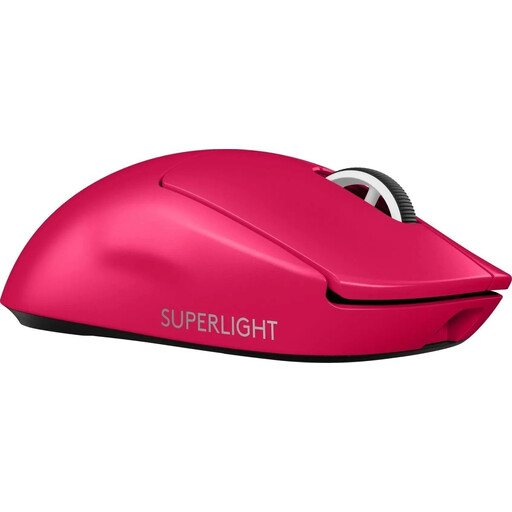
Why it suits this profile: According to Logitech, this model is designed for competitive gaming. It weighs 60 grams, has wireless LIGHTSPEED connectivity and features a HERO 2 sensor.
The mouse stays lightweight and charges via a USB-C cable. Be sure to check the exact sensor figure, though: the product information lists both 32,000 and 44,000 DPI.
60 grams, optical sensor, wireless connection and rechargeable battery.
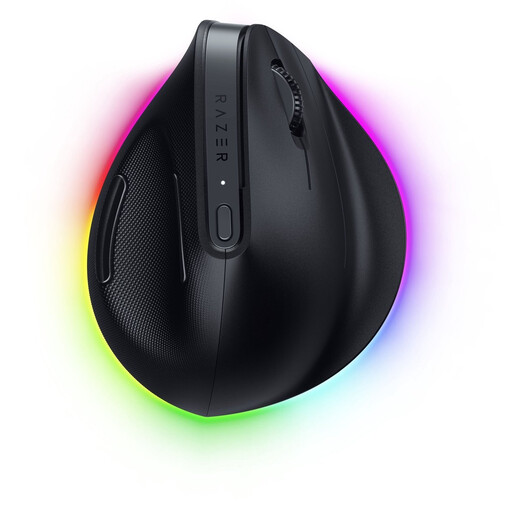
Why it suits this profile: This vertical ergonomic gaming mouse is aimed at people who combine gaming and work and want to connect multiple devices.
Its shape makes it clear that this isn’t a conventional FPS mouse. You can decide in advance whether a vertical grip suits your hand and playing style.
Bluetooth and HyperSpeed, six buttons, up to 30,000 DPI and RGB lighting, according to the product information.
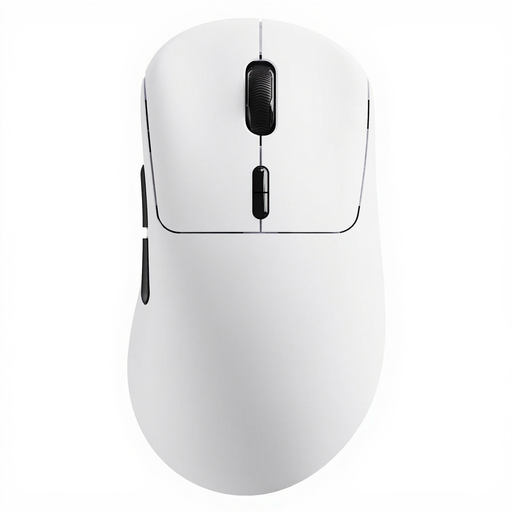
Why it suits this profile: According to Rapoo, this model weighs 53 grams and supports a wireless polling rate of up to 8,000 Hz with compatible settings.
The product information lists the weight, battery life and polling rate. Before buying, check which receiver and software you’ll need to use the highest settings.
53 grams, up to 26,000 DPI, ten programmable buttons and a stated battery life of up to 750 hours at 1,000 Hz.
We’ve put together a complete, up-to-date list of products that meet these strict selection criteria and the applicable European safety regulations.
Yes, it can be. Choose a model with a 2.4GHz receiver, a suitable polling rate and a stable connection. Check the battery life, too, and whether you can carry on playing with a cable while it charges. Bluetooth is handy for general use, but isn’t always the first choice for competitive FPS sessions.
It depends on the game and your preference. An adjustable setting ranging from a few hundred to a few thousand DPI is enough for many users. A high-DPI gaming mouse gives you more range, but the maximum figure alone doesn’t determine accuracy. Consider the sensor, polling rate, grip and weight as well.
Its lifespan depends on the switches, cable or battery, how intensively you use it and how well you maintain it. Brands sometimes list a click rating, such as 10, 60 or 90 million clicks. According to the brand’s own specifications, this is a stated figure, not a guarantee for every type of use. Keep the sensor and mouse feet clean, and store a wireless model in line with the safety instructions.
