
Players with large windows
You mostly play during the day and want to keep track of the action when windows reflect in or near the screen. The Consumentenbond and RTINGS point out that both brightness and reflection handling matter.


For daytime co-op platform games, compare how the specific screen handles reflections from your windows, and check the picture from the seats at either end of the sofa. Brightness or panel type alone won’t tell you enough. Then look for a gaming mode and features such as 120 Hz or VRR that suit your console, HDMI connection and games. The PlayStation 5 can output at 120 Hz in supported games, while a standard Nintendo Switch is limited to 1080p in TV mode.
You mostly play during the day and want to keep track of the action when windows reflect in or near the screen. The Consumentenbond and RTINGS point out that both brightness and reflection handling matter.
If players are watching from different angles, you’ll want to see the details clearly from the seats at either end, too. The Consumentenbond notes that OLED TVs generally offer wider viewing angles than LCD TVs.
You want responsive controls, but a higher refresh rate only matters if your console and games support that output. Check the information from PlayStation Support or Nintendo for your system.
Start with your living room: reflections from windows and the furthest seats will help you decide which screens are worth comparing. Then check which gaming features your console and the games you play actually support.
| What to consider | What to look for | Who should prioritise it? |
|---|---|---|
| Visibility in daylight | Compare reflection handling and brightness with your windows and viewing position in mind. High brightness alone won’t necessarily eliminate a direct reflection. | If windows reflect in the screen during the day, you’ll want to keep the action clearly visible; around 33% of consumers make daylight visibility their top priority. |
| Viewing angles for a group | Check the specific model from both ends of the sofa. The Consumentenbond notes that OLED generally offers wider viewing angles, but that doesn’t replace checking the screen you’ve chosen. | If players sit spread out, you’ll want to follow the details from the outer seats, too; around 27% of consumers prioritise viewing angles. |
| Responsiveness and console compatibility | Before paying for 120 Hz or VRR, check the gaming mode, HDMI input, and support from both your console and game. PlayStation and Nintendo explain which outputs their systems support. | Compatibility is crucial if responsive controls and the right picture output for your console come first; around 20% of consumers make gaming responsiveness their top priority. |
| Screen size and running costs | Measure the viewing distance from your sofa and compare the EU energy label for the exact models. The Consumentenbond suggests around 2.4 times the screen diagonal as a starting point for viewing distance, not a hard rule. | This matters most if you want a screen size that suits your sofa and want to avoid unnecessary purchase or running costs; around 20% of consumers prioritise screen size and cost. |
A bright picture won’t automatically stop a window directly opposite the screen from being reflected in it. How the TV handles direct reflections matters, too.
Assess the exact screen with your actual window direction and seating position in mind.
Your console, game, TV and connection must all support the relevant output. Otherwise, you won’t be able to use that feature.
Check support for your own console and game, and find out which HDMI input offers the feature.
When you’re playing co-op, not everyone sits directly in front of the TV. A picture that looks good from the middle won’t necessarily look the same from the side.
Compare the picture from both seats at the ends of the sofa, too.
The ACM distinguishes between a manufacturer’s promise and your legal rights if a product is faulty. An additional warranty offer doesn’t automatically replace those rights.
Check the terms of any additional offer alongside your legal rights. If a product proves faulty during normal use, contact the retailer.
The Dutch 65-inch S95H is an OLED model worth comparing if both gaming and reflection handling matter to you.
The BRAVIA 5 is a mini LED LCD model worth comparing if documented refresh rate and HDMI features matter to you.
The Dutch 55-inch OLED C5 is an OLED alternative to consider if side seating and contrast are important.
The 55PML9049/12 is a QD mini LED model with Ambilight worth comparing as another LCD option for a shared living room.
These Joybuy products include OLED and QD mini LED options in a range of screen sizes to compare for daytime co-op gaming. Check how each model handles reflections from your viewing position, and make sure its listed gaming features suit your console and games.
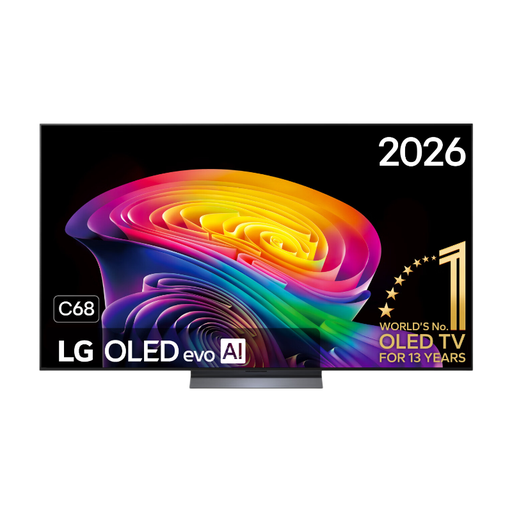 No image available
A 65-inch OLED option to compare if your co-op group wants a large screen.
The product information lists 120 Hz, VRR up to 165 Hz and four HDMI 2.1 ports. The gaming features listed require compatible equipment and games.
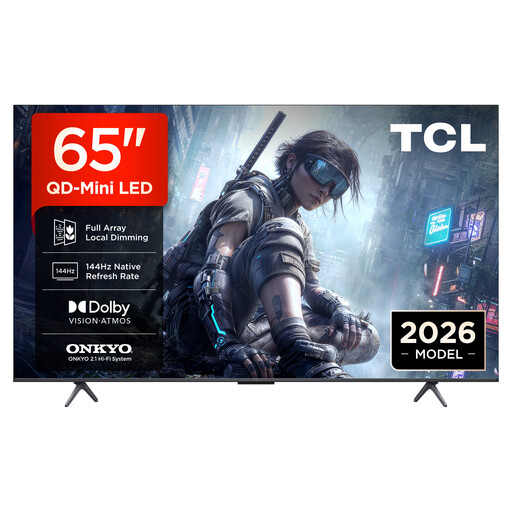 No image available
A 65-inch QD mini LED option to compare if you’re looking for a large screen to play together on.
The product information lists 144 Hz VRR, ALLM and HDMI 2.1. These gaming features depend on compatible equipment and games.
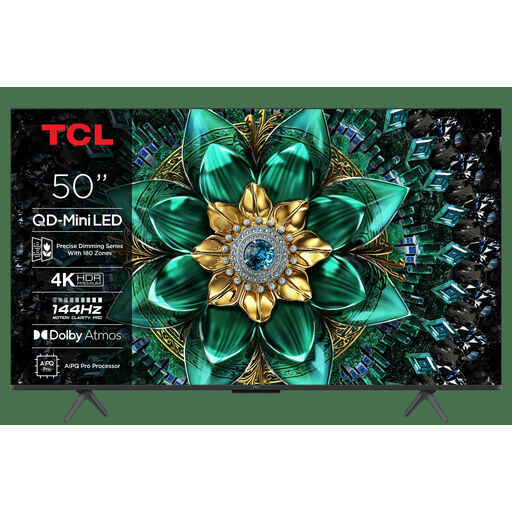 No image available
A 50-inch QD mini LED option to compare if you’re looking for a smaller size to suit the viewing distance in your living room.
The product information lists a native refresh rate of 144 Hz, VRR, ALLM and HDMI 2.1. These features require compatible equipment and games.
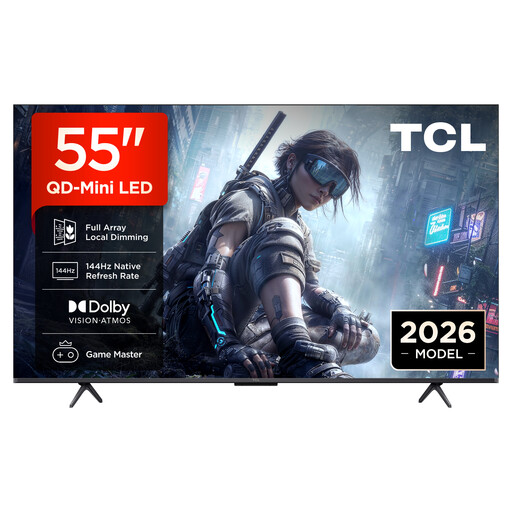 No image available
A 55-inch QD mini LED option to compare if you want a mid-sized screen for playing together.
The product information lists 144 Hz VRR, ALLM and HDMI 2.1. The features listed require compatible equipment and games.
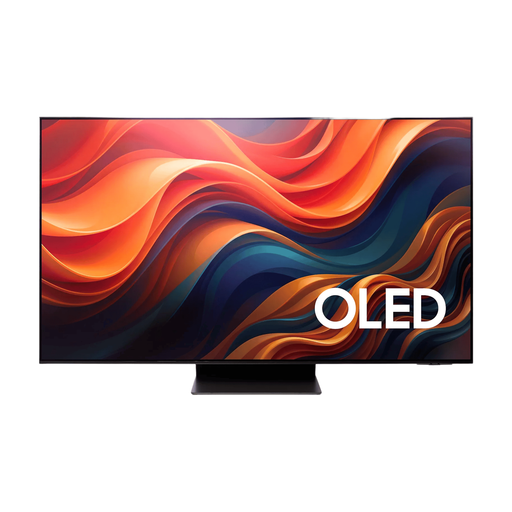 No image available
A 65-inch OLED option to compare if reflection handling and gaming features are important to you.
The product information lists an anti-reflection screen, 165 Hz, VRR and four HDMI 2.1 ports. The gaming features require compatible equipment and games.
No, not for every game. PlayStation explains that 120 Hz output is available for games that support it; Nintendo lists a maximum of 60 fps at 4K for Switch 2. A standard Nintendo Switch offers a maximum resolution of 1080p in TV settings.
On PS5, go to Screen and Video to check the resolution, VRR and HDR reported by the connected HDMI device. For a compatible game, use the right HDMI input and check whether the TV switches to low-latency mode. With a standard Switch, you can set the resolution and screen size under TV Settings.
No. Nintendo says the Switch Lite doesn’t support TV mode; using a different TV won’t change that.
Compare the EU energy label for the exact TV model; the scale runs from A to G. If a product is faulty and breaks sooner than expected under normal use, ACM ConsuWijzer says you should contact the retailer to find a solution. A manufacturer’s warranty doesn’t automatically limit this legal right.