
Side-seat player
You regularly play away from the centre of the screen and want to follow the action clearly from your seat. RTINGS highlights the importance of a wide viewing angle when people are seated in different positions.


Don’t choose on refresh rate alone: when you’re playing arcade sports from a side seat, the picture from that position is the first thing to compare. Then check input lag in Game Mode and the HDMI features your console uses. Also consider reflections and, with OLED, prolonged use of fixed interface elements. No panel type is the right choice for everyone without taking these conditions into account.
You regularly play away from the centre of the screen and want to follow the action clearly from your seat. RTINGS highlights the importance of a wide viewing angle when people are seated in different positions.
You play fast-paced matches with others and care most about the delay between your controller and the picture. RTINGS describes input lag as something to assess in Game Mode and with your own gaming settings.
You play during the day and want to assess both reflections and the picture from your seat. Don’t rely on a panel label or brightness claim alone; compare the specifications of the exact model.
A good fit when: you have a spread-out seating arrangement and picture quality from the side seats matters a great deal.
Bear in mind: image retention is still a consideration if you display the same fixed game interface for long periods.
A good fit when: you’re looking for an LCD TV and a good picture from a wider angle is important.
Bear in mind: RTINGS generally describes IPS as offering wider viewing angles but lower contrast than VA. Check the model’s gaming performance too.
A good fit when: seats are closer to the centre, or contrast and use in a bright room are important.
Bear in mind: RTINGS generally describes VA as having narrower viewing angles. Mini LED or a high refresh rate alone doesn’t guarantee a good picture from the side.
| What to consider | What to look for when buying | Who should pay particular attention? |
|---|---|---|
| Picture from the side seat | Check independent viewing-angle measurements for the exact model and, if possible, assess the screen from the seat furthest to the side. | If I play from the side, I want to assess colour and brightness from that position. Around 36% of consumers prioritise the picture from a side seat. |
| Response time | Compare input lag at the resolution and refresh rate you use, and check which HDMI ports support the gaming features you want. | For fast-paced local matches, I want the controls to respond instantly and my console to be able to use the TV’s features. Around 29% of consumers give response time top priority for fast-paced matches. |
| Visibility in daylight | Check reflection and brightness measurements alongside the viewing angle, preferably in conditions similar to your gaming room. | If I play during the day, I want to assess distracting reflections without overlooking the picture from the side. Around 21% of consumers prioritise visibility in daylight. |
| Fixed game interface | Consider whether you play the same game with fixed elements for long periods, and read the care and warranty terms for the exact model. | If I often use the same game interface for long periods, I want to know how that affects my choice of OLED. Around 14% of consumers prioritise this usage risk. |
A stated refresh rate doesn’t tell you everything about the picture from the side or input lag with your settings.
First compare viewing-angle measurements, then check Game Mode, your console’s output and the HDMI features of the exact model.
Mini LED describes the backlight. The LCD panel and the complete TV model still determine what you’ll see from a side seat.
Assess the TV from the furthest side seat and compare independent measurements for the exact version.
RTINGS describes a risk from displaying fixed elements for extremely long periods. Its accelerated test isn’t a prediction of what will happen with normal, varied use.
Consider how you use fixed interface elements, and check the manual and warranty terms for the exact model.
These product lines offer models to compare, not an overall assessment of each brand. Specifications and test results apply to the models or versions mentioned.
The OLED range, including the C5, is one model line to compare if you have a spread-out seating arrangement.
The S95H OLED is one model line to compare for viewing angle, reflections and gaming features.
The BRAVIA 8 II is one model line to consider if you want to compare the connections for your console in detail.
The OLED Ambilight range, including the 77OLED910/12, is worth comparing for screen size and placement.
The Mini LED LCD range, including the 65C6K, is one option to compare with OLED.
This selection includes OLED and QNED Mini LED TVs with stated gaming features. Assess the viewing angle of the exact version from your side seat.
 Image unavailable
OLED is worth comparing for spread-out seating, but the product title doesn’t confirm viewing-angle measurements for this model.
The title lists 120 Hz, VRR up to 165 Hz, G-SYNC Compatible, FreeSync Premium and HDMI 2.1. The features you can use also depend on your console and connection.
Image retention is still a consideration if you use the same fixed game interface for long periods. RTINGS describes accelerated tests, which don’t predict how quickly this might happen with normal mixed use.
 Image unavailable
OLED is worth comparing for spread-out seating, but the product title doesn’t confirm viewing-angle measurements for this model.
The title lists 120 Hz, VRR up to 165 Hz, G-SYNC Compatible, FreeSync Premium and HDMI 2.1. Check which features your console supports through the port you choose.
Image retention is still a consideration if you use the same fixed game interface for long periods. RTINGS describes accelerated tests, which don’t predict how quickly this might happen with normal mixed use.
Image unavailable
OLED is worth comparing for spread-out seating, but the product title doesn’t confirm viewing-angle measurements for this model.
The title lists 120 Hz native, VRR up to 165 Hz, G-SYNC Compatible, FreeSync Premium and HDMI 2.1. The features available also depend on your console and connection.
Image retention is still a consideration if you use the same fixed game interface for long periods. RTINGS describes accelerated tests, which don’t predict how quickly this might happen with normal mixed use.
 Image unavailable
OLED is worth comparing for spread-out seating, but the product title doesn’t confirm viewing-angle measurements for this model.
The title lists 120 Hz native, VRR up to 165 Hz, G-SYNC Compatible, FreeSync Premium and HDMI 2.1. Check which features your console and chosen input support.
Image retention is still a consideration if you use the same fixed game interface for long periods. RTINGS describes accelerated tests, which don’t predict how quickly this might happen with normal mixed use.
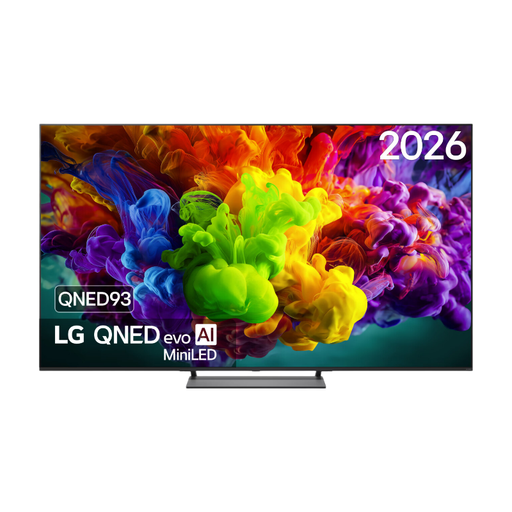 Image unavailable
The product title lists Mini LED. Don’t assume that means a wide viewing angle without assessing the model; check the screen from your side seat.
The title lists 120 Hz, VRR up to 144 Hz, HDMI 2.1 and FreeSync. The product description also mentions ALLM and Game Optimizer; check that they’re supported by your console.
Not necessarily: the refresh rate you need depends on what your console and game can output. RTINGS says modern consoles support gaming at up to 120 frames per second; a higher screen refresh rate may be relevant for PC gaming if your PC and game support it.
Changing the setup can alter your viewing angle. If you wall-mount the TV, choose a bracket and fixings that are suitable for the exact TV and wall. LG recommends using a professional installer to help prevent damage, as walls and installations vary. This is manufacturer advice, not a general legal requirement for mounting a TV.
Where possible, vary the content on screen and follow the model’s manual for panel care. RTINGS describes a risk from displaying fixed elements for extremely long periods, but its accelerated tests don’t predict the lifespan under normal use.
According to the Dutch government, when you buy as a consumer, you’re entitled to a product that conforms to the agreement. If there’s a fault, you should contact the seller, and the Netherlands has no fixed statutory warranty period. When you buy online from a business, you’re often entitled to a 14-day cooling-off period; check the terms of the specific purchase.
Yes, TVs are covered by European energy labelling rules for electronic displays. The European Commission says the label includes information such as energy consumption in SDR and HDR; compare the label for the exact model version.