If you sit at an angle to the screen, the viewing angle and reflection handling of the specific TV model matter more than a high refresh rate alone. Then choose gaming features supported by your console or PC and football game. If you often play for long sessions with fixed on-screen elements, bear OLED image retention in mind too.
Who is this choice for?
Players on a wide sofa
You play together, with one or more players sitting at an angle to the TV; being able to see the pitch from the sides matters most to you. RTINGS and the Consumentenbond highlight viewing angle as an important factor for a wide seating arrangement.
Players who want responsive controls
You focus mainly on input lag and picture features supported by your console or PC and the game. RTINGS highlights low input lag as something to consider when choosing a gaming TV.
Players in a bright living room
You often play during the day and want reflections and ambient light to have as little impact as possible on your view of the game. RTINGS highlights viewing angle and reflection handling as factors to consider when watching sport with others.
What should you look for?
OLED
Best for: a wide seating arrangement where viewing from the side is a priority; the Consumentenbond reports that OLED TVs generally have a wider viewing angle.
Bear in mind: Sony warns that prolonged or repeated static images can cause image retention on OLED screens.
LCD, QLED or mini LED
Best for: situations where you also want to factor in brightness in daylight; the Consumentenbond says QLED TVs can often produce higher brightness levels.
Bear in mind: QLED is also LCD, and viewing angles vary by panel and model. So be sure to check the picture from the seat furthest to the side.
| Factor |
What to look for |
Who is this important for? |
| Viewing from the side |
Compare independent tests of horizontal viewing angles and assess the picture from the seat furthest to the side. |
When I’m sitting with several players on a wide sofa, I want everyone to be able to follow the pitch clearly. Around 36% of consumers give viewing angle their highest priority. |
| Responsiveness while playing |
Check input lag tests and which features are supported by the HDMI input, console or PC and game you use. |
If responsive controls matter to me, I check that my source and game support the output I want. Around 29% of consumers put gaming responsiveness first. |
| Visibility in daylight |
Compare tests of reflection handling and brightness for the exact model, as well as its viewing angle. |
When I play during the day, I want to see how reflections affect my view of the game. Around 21% of consumers prioritise visibility in a bright room. |
| Long-term use |
Check the energy label and panel care instructions; also measure the available space and viewing distance. |
If I use my TV frequently for long sessions, I factor in energy consumption and OLED image retention. Around 14% of consumers consider running costs and long-term use their top priority. |
Common mistakes when choosing
-
Comparing TVs only from directly in front
A TV that looks good head-on may look different from the ends of a wide sofa. RTINGS describes viewing angle as an important feature for different seating positions.
Compare viewing angle tests and assess the picture from the outer seats you actually use.
-
Assuming the Hz specification is the frame rate of every game
The available output also depends on the console or PC, the HDMI input and the game. So a higher TV specification doesn’t mean every football game will use that refresh rate.
Check the output supported by the game and the input you’re using. On a PS5, you can check the recognised capabilities under Screen and Video.
-
Not considering fixed on-screen elements on OLED
Sony warns that prolonged or repeated static images can cause image retention on an OLED screen. This is something to weigh up if you play many repeated sessions with fixed on-screen elements; it doesn’t mean a specific TV will be damaged.
Follow the panel care instructions for the model you choose, and compare LCD alternatives for their viewing angles too.
Relevant brands
LG
The Dutch OLED55C68LA.AEU is a model worth assessing for both its gaming features and your seating arrangement.
- For this model, LG lists gaming up to 4K 165 Hz, G-SYNC compatibility and FreeSync Premium. These are manufacturer specifications, not independent viewing angle measurements.
- The Consumentenbond cites a wider viewing angle as a general feature of OLED TVs. Assess reflections in your own room and check the panel care instructions for the exact model.
Samsung
The Dutch S95H version is the QE65S95HFTXXN; when comparing models, check that the version tested matches the one you’re considering.
- RTINGS reports that the S95H they tested has a wide viewing angle and handles reflections well when used for sport.
- That test doesn’t automatically confirm the features and connections of every Dutch size or version. Compare the exact variant.
Philips
According to Philips, the Dutch 55OLED810/12 combines a 55-inch OLED screen with Ambilight and VRR up to 144 Hz.
- This combination may be worth considering if you also want Ambilight; the manufacturer lists VRR up to 144 Hz for this model.
- Philips’ statement about viewing the picture from an angle isn’t an independent viewing angle measurement. Also check which HDMI inputs support the features.
Sony
The specifications for the Dutch K-55XR8M2 list a 55-inch OLED screen, 120 Hz and VRR on HDMI 3 and 4.
- These HDMI inputs may be useful if you connect several devices; check which features each input supports.
- Sony warns of image retention from prolonged or repeated static images on OLED screens. This is a consideration for how you use the TV, not a confirmed fault with this model.
TCL
The Dutch 55C7K is a QD mini LED and LCD model; TCL lists a native refresh rate of 144 Hz.
- The native 144 Hz specification is worth comparing with your gaming needs.
- The refresh rate doesn’t tell you how well players can see the picture from the side. Compare an independent viewing angle test of this version.
Joybuy TVs for football games
These Joybuy models include OLED TVs and a QLED/QD-Mini LED model for gaming; compare screen size, connections and side viewing for each version.
 No image available
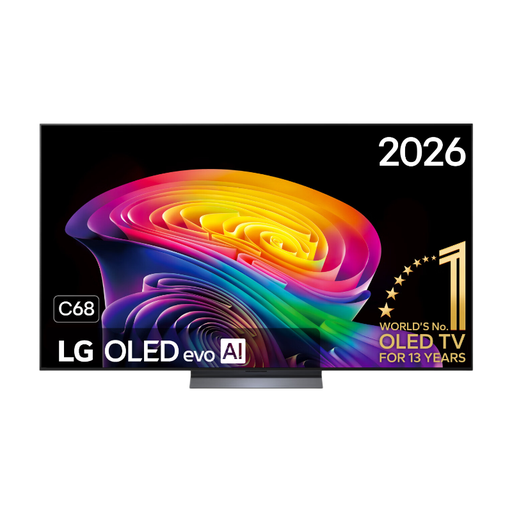
LG OLED65C68LA 65-inch OLED evo AI C6 4K Smart TV
OLED may be a good choice if viewing from angled seats is a priority; the Consumentenbond says OLED TVs generally have a wider viewing angle, but viewing angles and reflections vary by model.
The product name lists 65 inches, 4K, 120 Hz, VRR up to 165 Hz, G-SYNC Compatible and FreeSync Premium. Check which features are supported by your source, game and chosen input.
According to Sony, prolonged or repeated static images can cause image retention on OLED screens.
View at Joybuy
 No image available
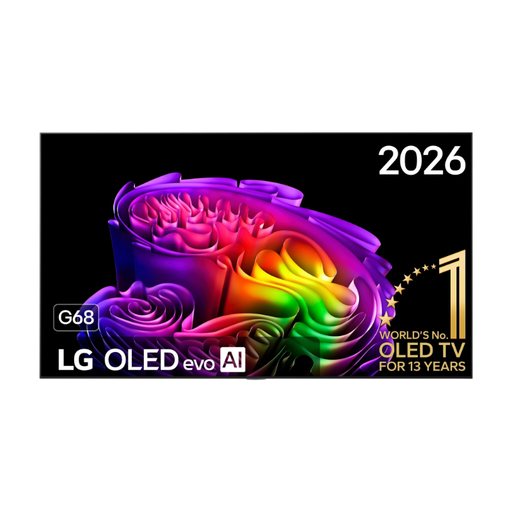
LG OLED55G68LW 55-inch OLED evo AI G6 4K Smart TV
OLED may be a good choice if viewing from angled seats is a priority; the Consumentenbond says OLED TVs generally have a wider viewing angle, but viewing angles and reflections vary by model.
The product name lists 55 inches, 4K, 120 Hz, VRR up to 165 Hz, G-SYNC Compatible and FreeSync Premium. Check which features are supported by your source, game and chosen input.
According to Sony, prolonged or repeated static images can cause image retention on OLED screens.
View at Joybuy
 No image available
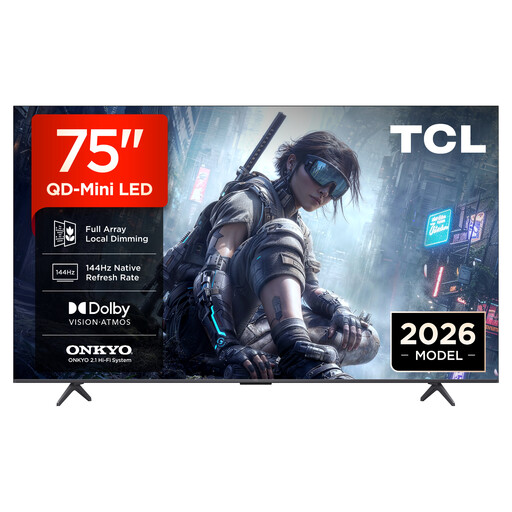
TCL 75T8D 75-inch QLED QD-Mini LED 4K HDR Ultra HD TV
If you’re considering a QLED or LCD option, compare the viewing angle of this exact model from the seat furthest to the side; a high refresh rate doesn’t tell you how the picture looks at an angle.
The product name lists 75 inches, 4K, QD-Mini LED, 144 Hz VRR and FreeSync Premium. The output you can use depends on compatible equipment and the game.
View at Joybuy
 No image available
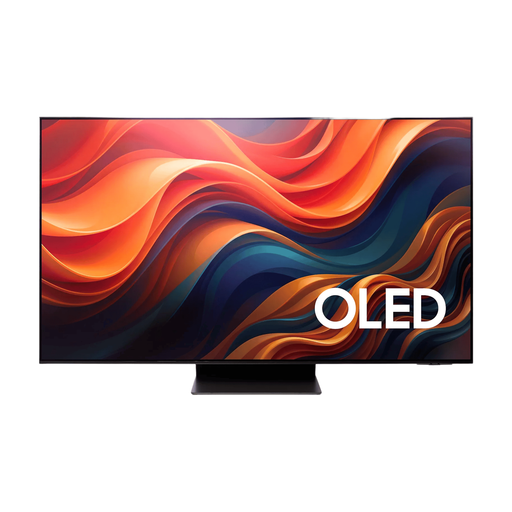
Samsung 65-inch S95H 4K OLED TV
OLED may be a good choice if viewing from angled seats is a priority; the Consumentenbond says OLED TVs generally have a wider viewing angle. Also compare the reflection handling of this version.
The product name lists a 65-inch 4K OLED TV. According to Sony, prolonged or repeated static images can cause image retention on OLED screens.
View at Joybuy
 No image available
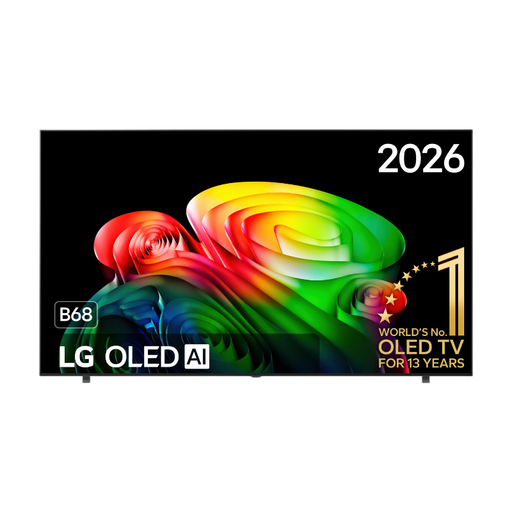
LG OLED77B68LA 77-inch 4K OLED Smart TV
This OLED model may be a good choice if viewing from angled seats is a priority; also measure the available space and viewing distance to see if the screen size is right for you.
The product name lists 77 inches, 4K, 120 Hz, VRR up to 144 Hz, G-SYNC Compatible and FreeSync Premium. Check that your source and game support the features you want.
According to Sony, prolonged or repeated static images can cause image retention on OLED screens.
View at Joybuy
Frequently asked questions
Do I always need a 120Hz TV for a football game?
No. 120Hz output only works if the TV, connected source and game support it. On a PS5, you can check the recognised capabilities and 120Hz output under Settings > Screen and Video > Video Output.
Where should I connect several consoles?
Check which HDMI inputs support the features you need on each TV model. For example, Sony lists VRR on HDMI 3 and 4 for the K-55XR8M2; then check which output capabilities your console recognises.
How should I factor in OLED if I play lots of football games?
Follow the panel care instructions for the exact model and bear in mind the effect of prolonged or repeated static images. Sony lists pixel shifting and panel refresh as features designed to reduce image retention; this doesn’t guarantee that image retention is impossible.
How can I compare TVs’ energy consumption?
Compare the energy label for the exact version. The European Union directs consumers to the European Product Registry for Energy Labelling (EPREL) for product information on energy consumption.
Who can I contact in the Netherlands if my TV isn’t working properly?
According to the Dutch government, the retailer must provide a solution if there’s a problem; a manufacturer’s or retailer’s guarantee is in addition to your statutory warranty rights. Compare the terms of any extended warranty before taking it out.


