
Vandaag of morgen in huis

Kwaliteit gegarandeerd

Welkomstaanbiedingen ontgrendelen: GRATIS bezorging | Tot 80% korting | Gratis 30 dagen JoyPlus-proefperiode
Download de app
Buying a gaming mouse sounds simple, until you have to choose between wireless connections, high DPI values, RGB lighting and dozens of programmable features. A high price also does not automatically mean that the mouse is right for your hand, game or computer.
For PC and laptop gamers, four pitfalls are particularly relevant:
DPI indicates how far the cursor moves in response to a particular physical mouse movement. A high-DPI gaming mouse offers more adjustment options, but that does not mean you need to play an FPS game at 30,000 or 40,000 DPI.
Pay attention to these points:
For most users, an optical gaming mouse with stable tracking and suitable sensitivity settings is more practical than a model that merely emphasises a high DPI figure.
The polling rate indicates how often the mouse reports its position to the computer. 1000Hz is a commonly used setting. Models with 4000Hz or 8000Hz may be interesting for competitive players, but check whether your PC can handle the additional load without any problems.
With a wireless gaming mouse, there are usually three options:
Also check whether your laptop has a spare USB-A port. Some models require an adapter or a USB-C connection.
An ultra-light gaming mouse often weighs less than 70 grams. This can be comfortable for fast movements, particularly in FPS games. A heavier model may offer greater stability and extra buttons for MOBA or RTS players.
Also consider:
RGB is mainly a style choice. An RGB gaming mouse can complement your desk, but lighting has no direct effect on tracking or polling rate.

Why it suits this profile: This wireless gaming mouse combines a 2.4GHz receiver, USB-C charging and six programmable buttons for PC and laptop use.
The product specification lists concrete figures: 4800 DPI, a 1000Hz polling rate and battery life of up to 80 hours, rather than relying on general claims.
75 grams, RGB lighting, six programmable buttons and the ability to play while charging via USB-C.
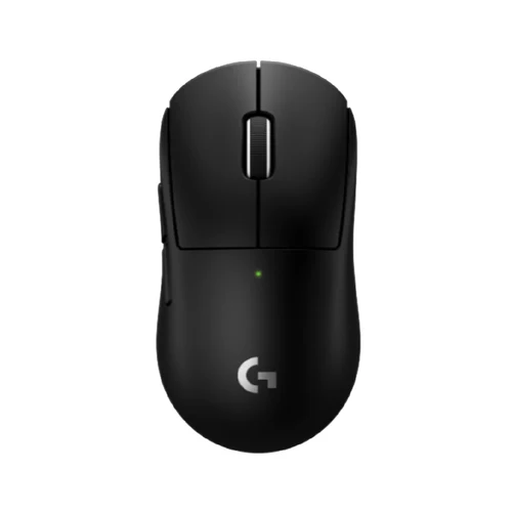
Why it suits this profile: The compact design and wireless LIGHTSPEED connection are aimed at players who prioritise low weight and a short mouse shape.
The compact dimensions of approximately 118.4 × 61.2 × 38.6 mm make it clear that hand size matters. The mouse has no RGB lighting, so you are not paying extra for it.
53 grams, up to an 8000Hz polling rate according to the product specification, USB-C charging and five programmable buttons.
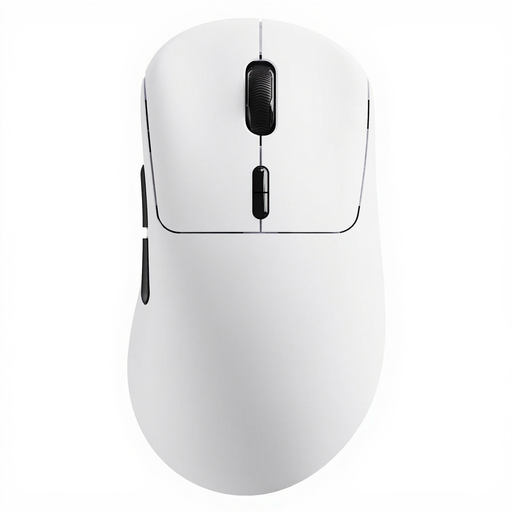
Why it suits this profile: For esports and intensive users, this model offers plenty of adjustment options, low weight and a long stated battery life.
The stated 8000Hz mode is not necessary for every PC. The product specification warns of potentially higher CPU usage, allowing you to make an informed choice between 1000Hz and a higher setting.
53 grams, up to 26,000 DPI, ten programmable buttons and a stated battery life of up to 750 hours at 1000Hz.
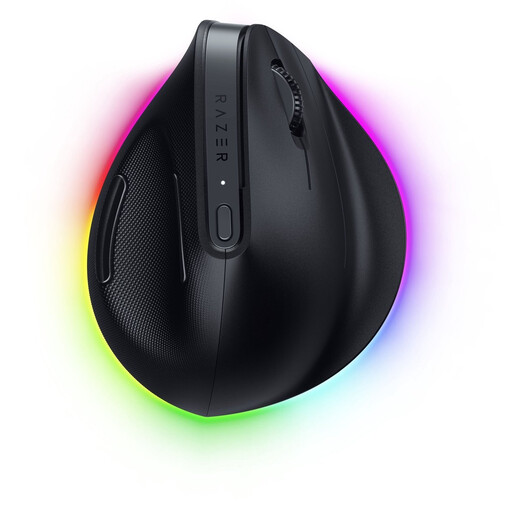
Why it suits this profile: The vertical shape is designed for right-handed users who want to use one mouse for work, everyday tasks and gaming.
The ergonomic shape is combined with Bluetooth and Razer HyperSpeed. However, check that a vertical mouse suits your grip before ordering.
30,000 DPI according to the product specification, six programmable buttons, 18-zone RGB and a stated battery life of up to six months.
For FPS games, low weight, predictable tracking and a shape that makes it easy to lift and reposition the mouse are often practical. With MOBA and RTS games, extra programmable buttons may be more important than extremely low weight. Streamers and laptop users may benefit more from Bluetooth or a combination of Bluetooth and 2.4GHz.
Also consider the software. A programmable gaming mouse can customise buttons, DPI profiles and macros, but some functions only work with a specific driver. Before buying, check support for Windows, macOS or your laptop.
We have put together a complete, up-to-date list of products that fully meet these strict selection criteria and the applicable European safety regulations.
That depends on the connection and the model. A 2.4GHz receiver is generally designed for low latency. Check the stated polling rate, the position of the receiver and whether the battery is sufficiently charged.
Its lifespan depends on the switches, cable, battery, usage and maintenance. Keep the sensor and mouse feet clean with a dry cloth and avoid liquids. On models with a built-in lithium battery, you must not open or replace it yourself. For the products mentioned, the minimum legal guarantee is two years according to the product information provided and EU consumer law.
RGB lighting and a higher polling rate can affect energy consumption. With a wireless model, this may mean charging it more often. If battery life is your priority, you can switch off the lighting and use a lower polling rate when a higher setting offers no noticeable benefit.
