
Reviewer with few connections
This user wants to watch replays without plugging an extra charging dock into a wall socket. Count the available USB ports too: a wireless receiver may take up one of them.


If you have few sockets, you can choose a mouse with replaceable batteries or a wired model powered through a USB port on your computer. Neither needs a separate charging dock. If you also want to keep USB ports free, consider Bluetooth, provided your computer supports it. Also check that the scroll wheel and buttons work with your replay software and any games you play.
This user wants to watch replays without plugging an extra charging dock into a wall socket. Count the available USB ports too: a wireless receiver may take up one of them.
This user often skips through recordings and wants to check whether the scroll modes and customisable buttons are useful in their software. Logitech G and Razer, for example, describe mice with different scroll modes.
This user uses the same mouse for competitive gaming and watching replays, weighing up the controls, connection and shape for both tasks.
First decide whether you’d rather manage batteries or use a cable, then count your free USB ports. Next, check that the scroll and button functions suit your replay software.
| Consideration | What should you check? | Who is this most relevant to? |
|---|---|---|
| Power and connections | Count wall sockets and USB ports separately. Check how the exact version connects, whether it needs a receiver, the battery type and any charging accessories required. | If I don’t want to plug in a charging dock but still need USB ports, I want to know what connection the mouse requires. Around 36% of consumers prioritise power and available connections. |
| Controlling replays | Check the scroll modes and buttons, and make sure your software lets you assign the actions you want to them. | When I want to navigate recordings quickly, I need my replay software to support my mouse controls. Around 29% of consumers give navigation and replay commands top priority. |
| Controls during games | Compare the connection modes and settings of the exact model, and check that your chosen settings suit your game. | If I use the same mouse for gaming and watching replays, I want controls that work for both tasks. Around 21% of consumers prioritise in-game controls. |
| Shape and handling | Compare the weight, dimensions and shape of the exact version; if possible, try the mouse with your usual grip. | If I hold the mouse for a long time, I want to know whether its shape suits my hand and grip. Around 14% of consumers give fit and handling top priority. |
A mouse with a 2,4 GHz receiver uses a USB port. Bluetooth is a different connection option and only works if both the mouse and computer support it.
Check the connection modes of the exact model and count free USB ports separately from wall sockets.
A plugged-in receiver takes up a USB port.
Manufacturers’ claims don’t necessarily apply to every way of using a mouse. For example, SteelSeries describes settings for the earlier Rival 3 Wireless that can affect power consumption; that information doesn’t automatically provide a battery-life measurement for the Gen 2.
Only compare claims for the exact model and stated conditions, and keep information about different generations separate.
A mouse may have extra buttons or scroll modes, but that doesn’t mean your replay software can assign the actions you want to them.
First check which actions your software lets you assign to scrolling and buttons.
The G305 and G502 X offer different approaches to power and control when reviewing replays.
The Rival 3 Wireless Gen 2 is worth considering if you want to compare Bluetooth with a USB receiver.
The wired Basilisk V3 is an option for assessing scroll modes and extra controls when a USB port is available.
The wired M65 RGB ULTRA is worth considering if you want to connect a mouse directly to a computer port.
These models offer wireless connection options and use rechargeable batteries or an AA battery; some can also be used in wired mode. Check how to connect and charge each version.
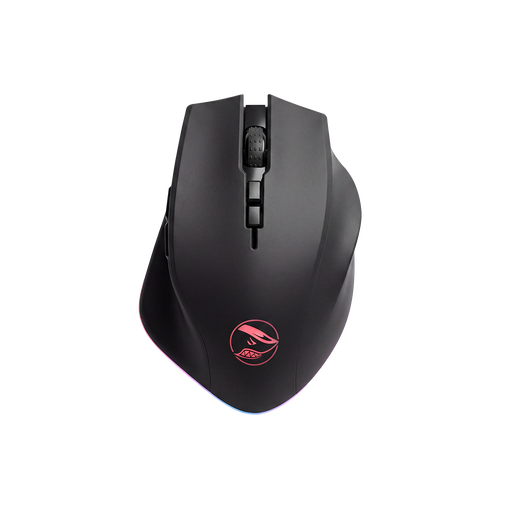 No image available
The stated 2,4 GHz and wired USB modes offer two ways to connect; the rechargeable battery needs to be charged periodically.
The product description lists a PAW3335 sensor, 16.000 DPI and 8 programmable buttons. The stated battery life is up to 50 hours per charge.
 No image available
This model lists Bluetooth, 2,4G and USB-C as connection options and has a rechargeable battery. Check which mode suits your computer.
The product name lists 7 programmable buttons, a PAW3395 sensor and a stated weight of 56 g. According to the description, you can charge it via USB-C or the magnetic base.
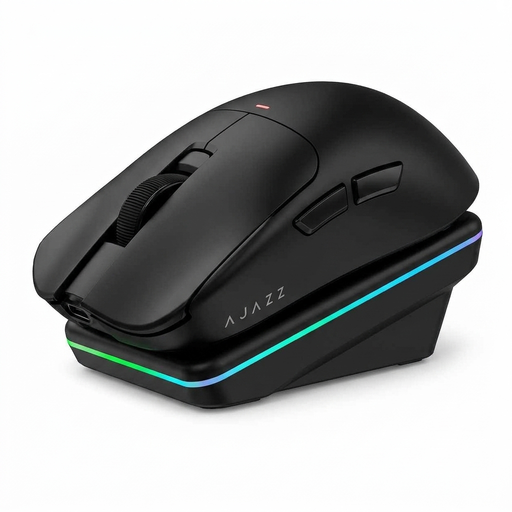 No image available
Bluetooth, 2,4G and USB-C are the listed connection modes. The description mentions remapping and macros via driver software; check that the software and features suit your computer and replay software.
The product name lists a PAW3311 sensor, a stated weight of 63 g and a charging dock. The description lists Windows and Mac as supported systems.
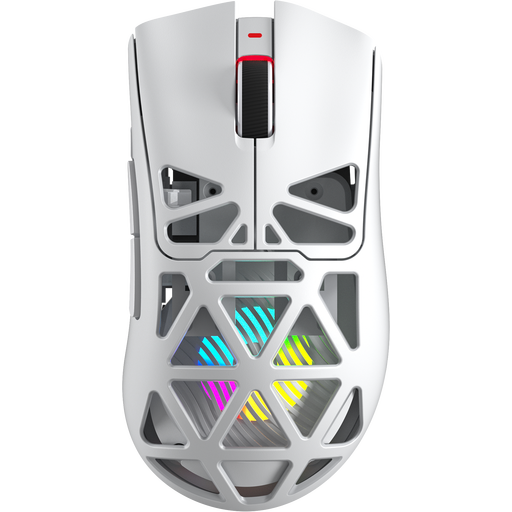 No image available
The listed options are Bluetooth, 2,4G and USB-C. According to the product description, the rechargeable battery is charged via USB-C.
The product name lists 7 programmable buttons, a PAW3311 sensor and a stated weight of 67 g.
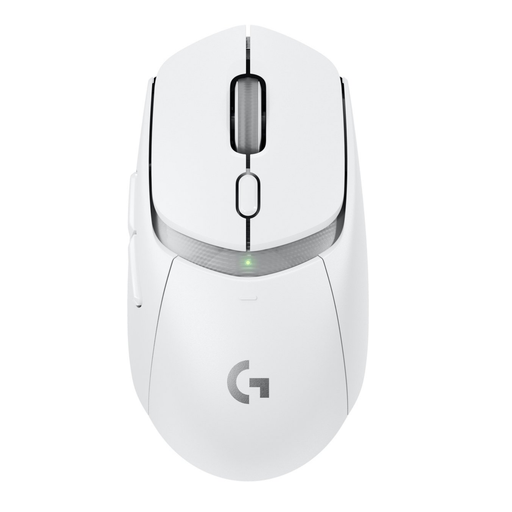 No image available
The product description lists LIGHTSPEED and Bluetooth as connection options, and says the mouse can be used with an AA battery. Check which connection suits your computer.
The description lists a HERO 25K sensor and up to 6 programmable buttons. Button assignments depend on the software you use.
Not always: a battery-powered mouse or a wired model connected via a USB port on your computer doesn’t need a separate charging dock. For a rechargeable model, check how it charges and whether it uses a port or accessory.
Yes, if the mouse supports Bluetooth and your computer can connect to it that way. SteelSeries specifies both Bluetooth and a 2,4 GHz receiver for the Rival 3 Wireless Gen 2; don’t assume that every wireless mouse has Bluetooth.
Not necessarily. Check whether your software lets you assign actions to scrolling and buttons, and whether you need specific mouse software to do so.
For distance purchases, you generally have a 14-day cooling-off period, subject to applicable conditions and exceptions. The Dutch government also states that there is no fixed statutory warranty period in the Netherlands; if a product is faulty, you can contact the seller. A manufacturer’s warranty may offer additional cover.
The European Radio Equipment Directive sets requirements for placing radio equipment on the market. CE marking is required for products covered by applicable EU rules; it isn’t proof of gaming performance. Check the product information for the exact version.