
Reaction trainer practising rapid clicking
You want clicks and small aiming adjustments to register consistently. So, look beyond DPI and the advertised polling rate.


First, choose a mouse that feels comfortable in your hand and tracks reliably on the surface you train on. Then compare measured click and sensor latency, along with the connection mode you actually use. A bright room can cause screen glare, but changing your mouse won’t solve that, and lower mouse latency doesn’t guarantee faster human reaction times.
You want clicks and small aiming adjustments to register consistently. So, look beyond DPI and the advertised polling rate.
For repeated mouse movements, you’ll want a shape and weight that suit your hand and grip.
Light falling on your screen can make targets harder to see. Assess the visibility of your setup separately from your mouse.
Assess responsiveness, fit, visibility and connection options separately. A high specification won’t automatically solve every training problem.
| What to consider | What to look for when buying | Who is this important for? |
|---|---|---|
| Click and aiming responsiveness | Look for test results for the exact model in the connection mode you’ll use; check which click settings can be adjusted. | If I’m practising rapid clicking and aiming adjustments, I want to know how consistently inputs are registered. Around 33% of consumers put responsiveness first. |
| Fit and control | Compare the shape, dimensions and weight of the exact version with your hand size and grip. | With lots of repeated movements, I want a mouse that feels comfortable in my hand and easy to control. Hand fit is the main buying concern for around 27% of consumers. |
| Visibility and tracking | Check for screen glare first, then try the mouse on your own mouse mat or surface. | If daylight makes targets harder for me to see, I want to tackle screen glare and check that the cursor follows my movements on the surface I use. Around 20% of consumers prioritise visibility and tracking. |
| Connection and everyday use | Check the available connection modes and receiver, as well as the stated battery life at the polling rate you plan to use. | If I don’t want a cable, I’ll need to consider charging and choosing the right wireless mode. With a cable, I’ll want enough freedom of movement. Around 20% of consumers focus mainly on connection and everyday use. |
Bright daylight can make your screen harder to read. That’s separate from mouse latency.
First, check your screen’s position and whether you can use blinds or other shading. Then assess the mouse for grip, tracking and input responsiveness.
Specifications don’t replace click and sensor latency measurements, and those figures don’t describe your overall human reaction time. RTINGS.com generally describes the effect of lower sensor latency on gaming performance as limited.
Compare results for the exact model and adjust the sensitivity to suit your training. Don’t assume that a higher maximum will improve your reaction speed.
On a mouse with multiple modes, Bluetooth and a dedicated USB receiver can have different click latency. Wireless models may also have shorter stated battery life at higher polling rates.
Check which receiver is included, test the mode you plan to use and review the battery life at that setting.
The PRO X2 SUPERSTRIKE is worth considering if you want to compare adjustable click actuation.
The Viper V3 Pro is a lightweight wireless option to compare if shape and freedom of movement matter to you.
The EC2-DW is an ergonomically shaped wireless option with on-mouse settings.
The wired Pulsefire Haste 2 is an option if you want to train without a battery or wireless receiver.
The Aerox 3 Wireless Onyx shows that a mouse can offer both 2.4 GHz and Bluetooth connectivity.
The selection below consists of wireless gaming mice. Check which connection mode you want to use for training on each model.
 No image available
A wireless option for repeated aiming movements without a cable.
56 g; PAW3395 sensor; 26K DPI; supports 2.4G, USB-C and Bluetooth; 400 mAh battery.
The product warning says to keep the magnetic base at least 15 cm away from pacemakers.
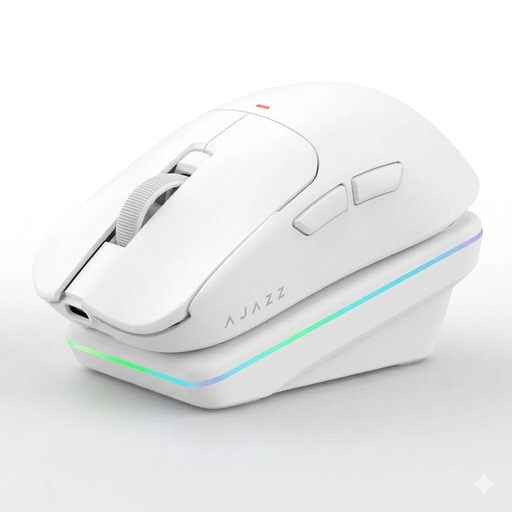 No image available
A wireless version to compare if you don’t want a cable getting in the way during repeated movements.
63 g; PAW3311 sensor; 24,000 DPI; BT, 2.4G and USB-C; with charging dock.
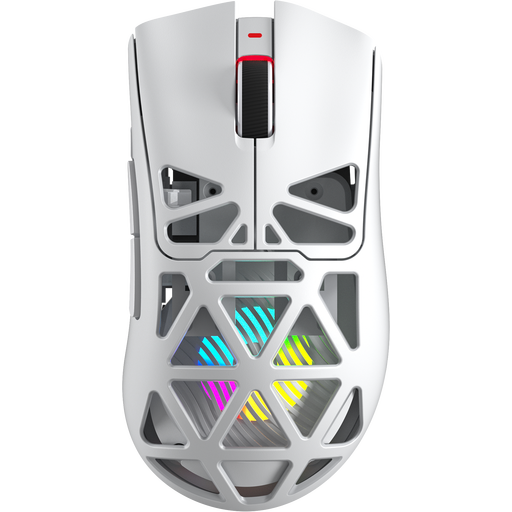 No image available
A wireless option with several listed connection methods to try with your training setup.
67 g; PAW3311 sensor; 12,000 DPI; BT 5.0, 2.4G and USB-C; 400 mAh battery; seven programmable buttons.
 No image available
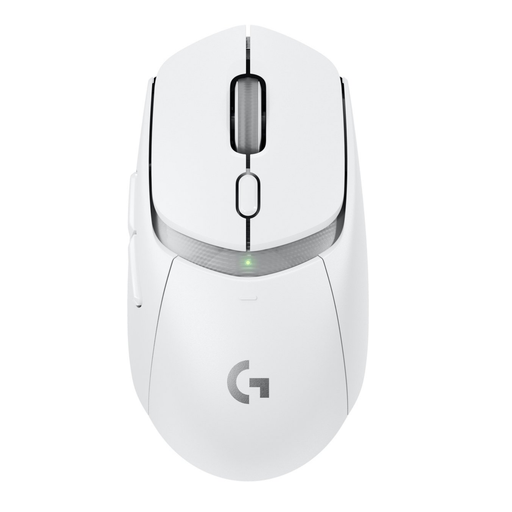
A wireless option supplied with a USB receiver, according to the product description.
HERO 25K sensor; six programmable buttons; 86 g with the supplied AA battery and 68 g with the optional POWERPLAY system.
The stated weights apply to different configurations.
 No image available
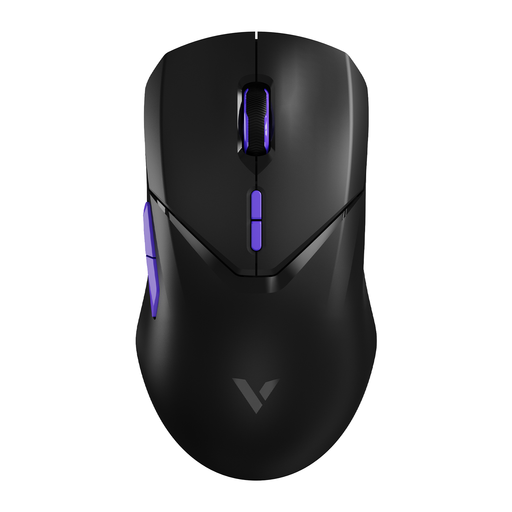
A wireless option to assess based on the settings and connection mode you plan to use during training.
68 g; PAW 3398 sensor; 26,000 DPI; 4K wireless polling rate; ten programmable buttons.
The product description notes that using 4K increases CPU load and suggests switching back to 1K if you experience frame drops.
No. DPI determines how much cursor movement you get from a hand movement; a higher maximum DPI isn’t automatically more accurate or more suitable. Adjust the sensitivity to suit your training and assess responsiveness separately.
If daylight is reflected on your screen, position it so your viewing direction is parallel to the window; Arboportaal recommends this setup for computer workstations. Use blinds or other shading if needed, and separately check that the mouse tracks well on your own surface.
You can if the model supports both modes, but RTINGS.com generally reports lower click latency for gaming over a dedicated USB receiver than over Bluetooth. Check which modes the exact model offers and test the one you plan to use.
EU rules for radio equipment set requirements including safety and electromagnetic compatibility when such equipment is placed on the market. According to the European Commission, the CE marking indicates that the manufacturer declares the product complies with the applicable product rules; it is not an independent quality mark.
For an online purchase in the Netherlands, you’ll generally have a statutory 14-day cooling-off period after delivery, subject to exceptions; ACM ConsuWijzer explains how this period works. Separately, you have a legal right to a product that, under normal use, does what you could reasonably expect. Contact the seller if there’s a fault; a manufacturer’s warranty doesn’t replace this legal right.