
Vandaag of morgen in huis

Kwaliteit gegarandeerd

Welkomstaanbiedingen ontgrendelen: GRATIS bezorging | Tot 80% korting | Gratis 30 dagen JoyPlus-proefperiode
Download de app
You shouldn’t choose a gaming mouse based solely on a high DPI rating or eye-catching RGB lighting. Its shape, weight, connection and software all affect how much control you have day to day. A mouse that looks impressive on paper may be too heavy, too large or awkward for your grip in practice.
Joybuy Product Recommendation Officer helps you turn marketing claims into specifications you can check. That way, you can avoid paying for features you’ll hardly ever use.
A gaming mouse with 30,000 or 44,000 DPI sounds appealing, but most players only use a fraction of that range. An adjustable DPI, stable tracking and a sensor suited to your play style matter more. Many FPS players actually choose a lower sensitivity for more controlled movements.
Look out for conflicting product information, too. The stated sensor resolution can vary between product pages for some models. So check the technical specifications, software support and maximum polling rate before you order.
A wireless gaming mouse can connect via a 2.4GHz receiver, Bluetooth or both. An RF connection via a USB dongle is usually designed for a fast connection to a PC. Bluetooth is handy for a laptop or multiple devices, but always check the supported Bluetooth version and operating system.
Also check the battery type. A built-in battery needs recharging; a model with AA or AAA batteries may last longer, but you’ll need to replace them. A quoted battery life of “up to” a certain number of hours is the manufacturer’s estimate and depends on the connection mode and how you use the mouse.
An ultra-light gaming mouse weighing around 53 to 75 grams can be great for quick movements. However, a larger or heavier mouse may suit a palm grip better. So check the length, width, height and hand orientation.
A vertical or heavily contoured mouse may be appealing for extended computer use, but it won’t necessarily be suitable for fast FPS movements. If possible, try the shape or compare its dimensions with your current mouse.
A symmetrical model isn’t always exactly the same on both sides. Check whether the buttons and thumb rests also suit your hand.
An optical gaming mouse tracks movement using an optical sensor. DPI indicates sensitivity: at a higher setting, the cursor moves further for the same physical movement. An adjustable DPI is more practical than simply having a high maximum value.
The polling rate, for example 1000 Hz, 4000 Hz or 8000 Hz, indicates how many times per second the mouse sends data. A higher rate can increase the input frequency, but may require more system resources and won’t be fully used by every game or computer.
These options are worth considering for a gaming mouse for PC:
Also check whether programmable buttons, macros and RGB settings only work with Windows software. Some models have limited advanced features when you use the mouse via Bluetooth.

Why it suits this profile: This model combines a 2.4GHz connection, six programmable buttons and a weight of around 73 grams. It’s a straightforward choice for PC and laptop gamers who want to play wirelessly without looking for an extensive range of features.
The product information clearly states the DPI range of 800 to 4800, a polling rate of 1000 Hz and battery life of up to 80 hours. So you can see exactly which specifications you’re getting, rather than just a general performance claim.
75 grams according to the product listing, USB-C charging, six programmable buttons and RGB lighting in a honeycomb design.
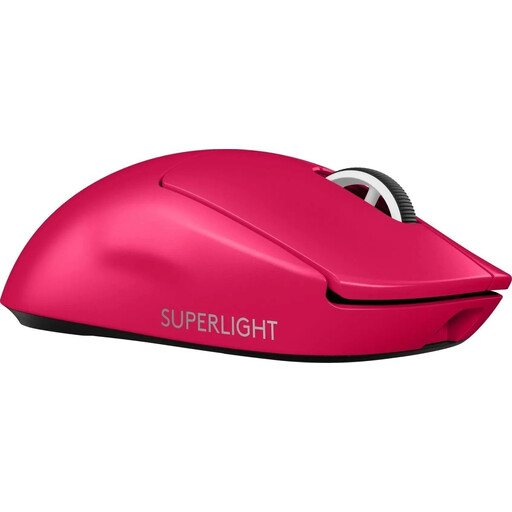
Why it suits this profile: According to the product specifications, this is a lightweight wireless gaming mouse weighing 60 grams, with LIGHTSPEED technology, USB-C charging and a HERO 2 sensor. It’s a good fit for users who prioritise minimal cable drag and a low weight.
The weight, connection and charging method are clearly specified. Before buying, check the sensor resolution shown on the offer you’ve selected, as the supplied product specifications list different maximum values.
60 grams, wireless LIGHTSPEED connection, optical sensor and USB-C cable according to the product listing.
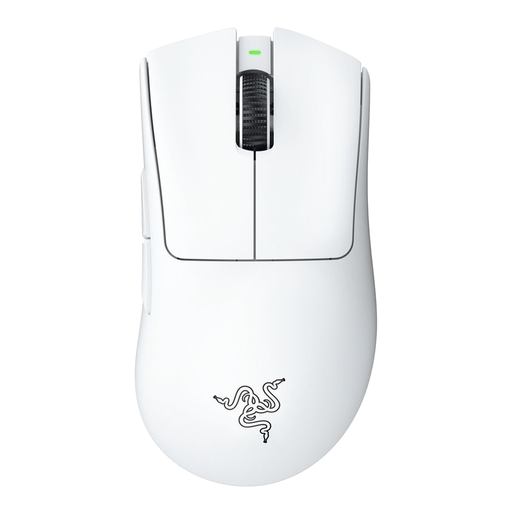
Why it suits this profile: Its right-handed shape, 63-gram weight, optical sensor with up to 30,000 DPI and HyperSpeed connection make it a good choice for players looking for an FPS gaming mouse for fast, controlled movements.
The mouse combines a low weight with a clearly specified hand orientation. So it’s clear from the outset that this isn’t a left-handed or fully symmetrical model.
63 grams, up to 30,000 DPI, programmable buttons, USB-C connectivity and quoted battery life of up to 90 hours.
We’ve put together a complete, up-to-date list of products that meet these strict selection criteria and the applicable European safety regulations.
First, connect a wireless model using the supplied receiver or pair it via Bluetooth. Only install the official software if you want to adjust the buttons, DPI, macros or lighting. Keep the receiver somewhere safe, and charge a built-in battery using the supplied cable or a suitable certified cable.
Keep the sensor and PTFE feet free of dust. Don’t use liquid on the housing or try to replace a built-in lithium-ion battery yourself. The product listings for the models mentioned state a minimum statutory warranty of two years under EU consumer rules; additional rights may apply under Dutch law.
It can be, especially if the model has a 2.4GHz connection with a USB receiver and a suitable polling rate. Check the weight, grip and battery level, too. Bluetooth is mainly useful for everyday use and laptops.
There’s no one-size-fits-all setting. An adjustable range from a few hundred to a few thousand DPI is enough for many games. FPS players often use a lower sensitivity than they do for desktop use. Set the DPI to suit your screen, mouse mat and personal preferences.
Its lifespan depends on the switches, cable, battery and how you use it day to day. Manufacturers sometimes state a click rating, but this doesn’t guarantee a particular lifespan. A model with a replaceable battery works differently from a rechargeable gaming mouse. So check both the technical details and the warranty terms.
